AI Answer Evaluation Platform Live Now. Try Free Answer Evaluation Now
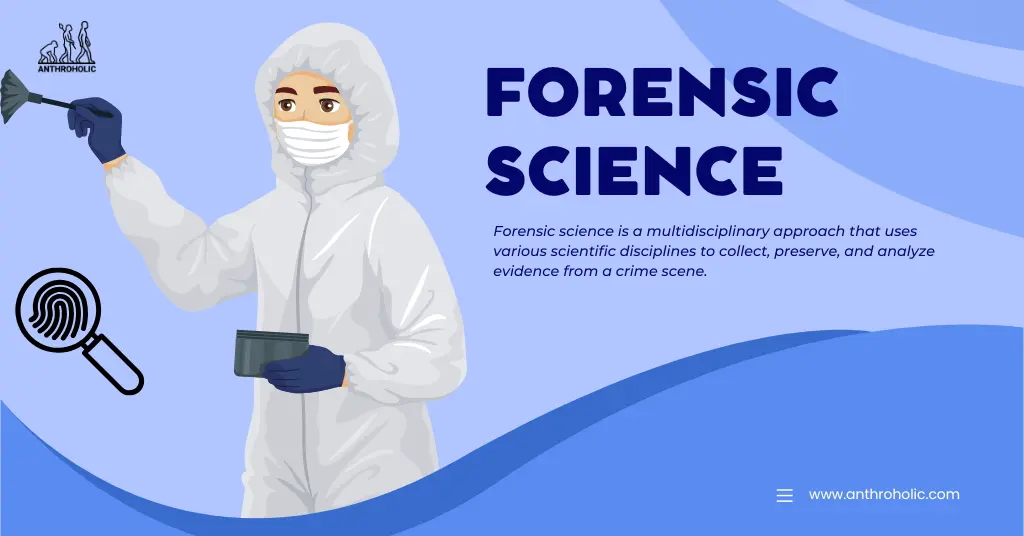
Forensic Science

Forensic science is a multidisciplinary approach that uses various scientific disciplines to collect, preserve, and analyze evidence from a crime scene.
+91-7303290503, +91-9557169661 | MON to SUN 10:00 AM - 6:00 PM
Anthropology is the scientific study of humanity, including human biology, culture, and society. This broad field encompasses several sub-disciplines, including cultural anthropology, linguistic anthropology, and archaeology. From exploring the diversity of human cultures to understanding the biological and evolutionary foundations of our species, anthropology provides a comprehensive understanding of what it means to be human.
Forensic science is a multidisciplinary approach that uses various scientific disciplines to collect, preserve, and analyze evidence from a crime scene.

Digital Forensics, also known as Computer Forensics, is a branch of forensic science specifically involving the recovery, investigation, and interpretation of data found in digital devices, often in relation to computer crime.
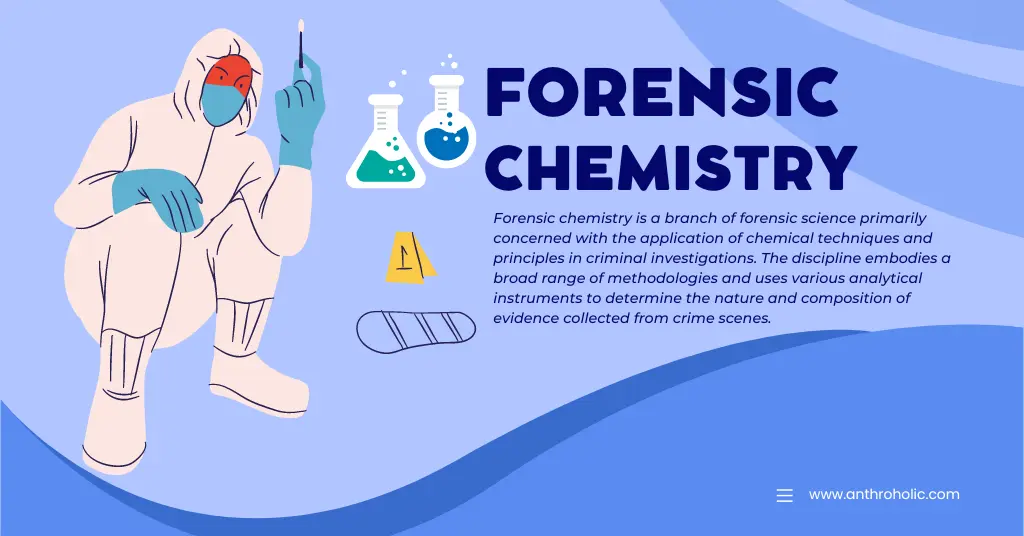
Forensic chemistry is a branch of forensic science primarily concerned with the application of chemical techniques and principles in criminal investigations.

Forensic psychology is a specialized field that combines the study of psychology and the law. Practitioners apply psychological concepts, theories, and methods to the legal system, encompassing both criminal and civil matters.
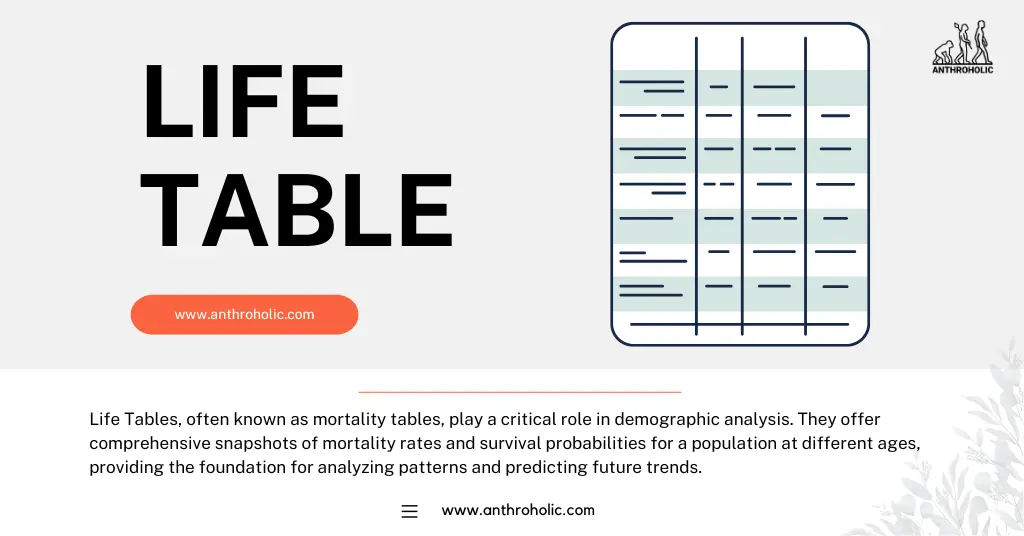
Life Tables, often known as mortality tables, play a critical role in demographic analysis. They offer comprehensive snapshots of mortality rates and survival probabilities for a population at different ages, providing the foundation for analyzing patterns and predicting future trends.
The death rate, also known as mortality rate, is a crucial demographic indicator that provides insights into the general health and wellbeing of a population. It measures the number of deaths annually per 1000 individuals in a specific community or region.
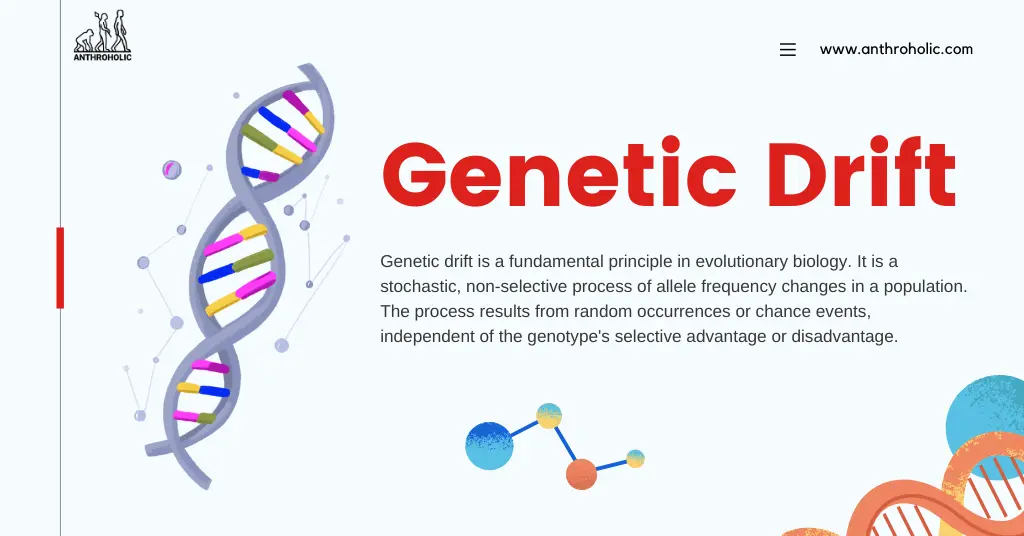
Genetic drift is a process of random sampling. Every generation, alleles are sampled from the existing gene pool to create the next generation. Due to random chance, some alleles get over or underrepresented, leading to changes in their frequency in the population.
Multilingualism is the ability to communicate in more than one language, whether fluently or to some extent. It is a common phenomenon around the world, with over half of the global population being bilingual or multilingual.
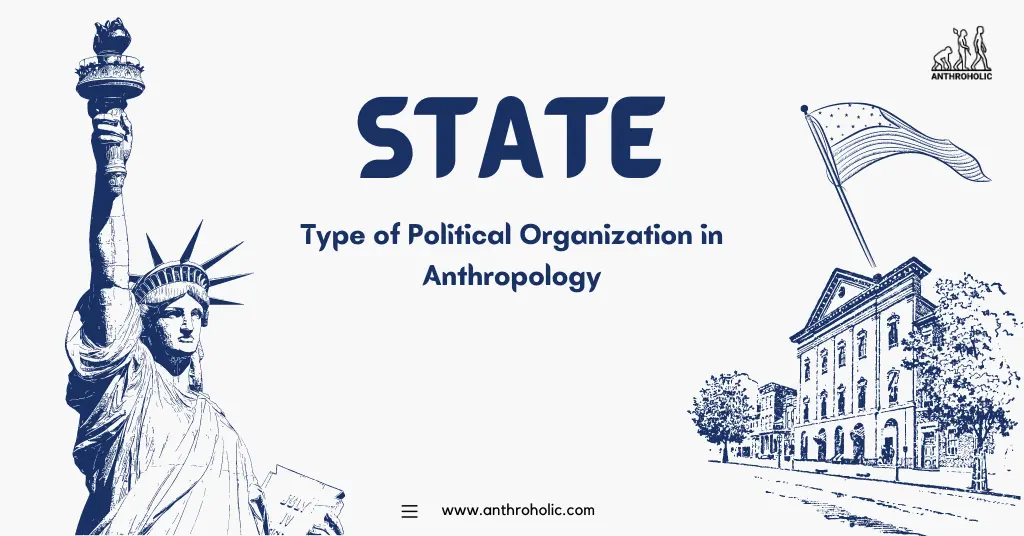
In its simplest form, the state is an institution with a monopoly on the legitimate use of physical force within a given territory. Yet, its definition in political anthropology expands to include elements like culture, societal structure, and power relationships.
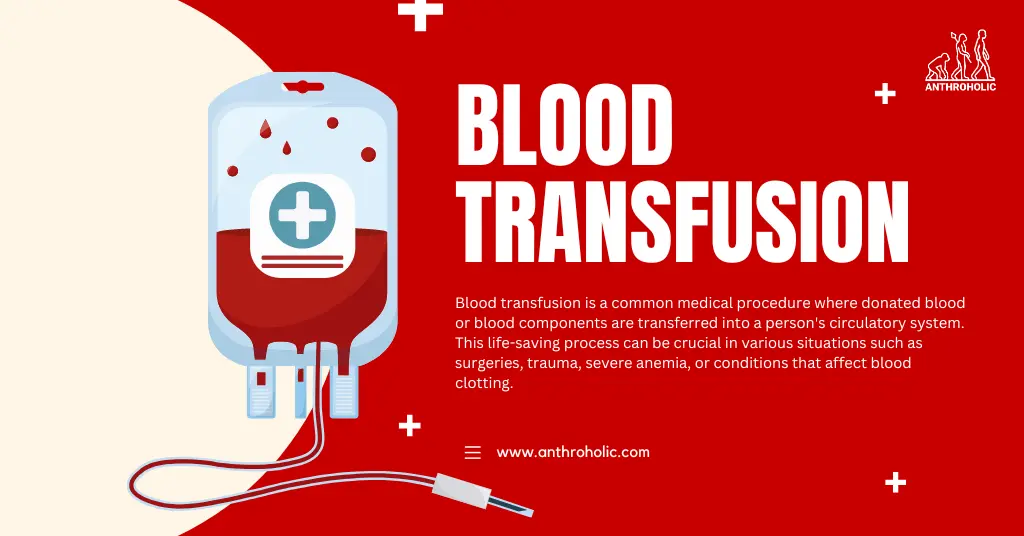
Blood transfusion is a common medical procedure where donated blood or blood components are transferred into a person's circulatory system. This life-saving process can be crucial in various situations such as surgeries, trauma, severe anemia, or conditions that affect blood clotting.
Structuralism, originally developed by anthropologist Claude Lévi-Strauss in the mid-20th century, revolutionized the way we understand culture, language, and society.
Structural Functionalism, is a framework in sociology and anthropology that interprets society as a structure with interdependent parts designed to meet the biological and social needs of individuals that compose it.
