AI Answer Evaluation Platform Live Now. Try Free Answer Evaluation Now
Concept of Disease

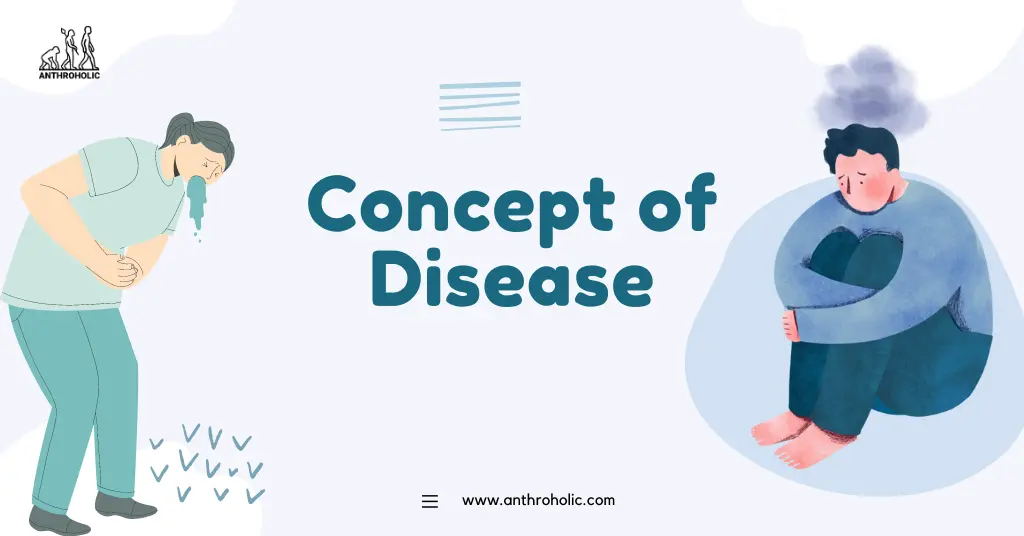
The concept of disease transcends mere physiological dysfunction and delves into the realm of cultural interpretations and social constructions.
Anthropology is the scientific study of humanity, including human biology, culture, and society. This broad field encompasses several sub-disciplines, including cultural anthropology, linguistic anthropology, and archaeology. From exploring the diversity of human cultures to understanding the biological and evolutionary foundations of our species, anthropology provides a comprehensive understanding of what it means to be human.
The concept of disease transcends mere physiological dysfunction and delves into the realm of cultural interpretations and social constructions.
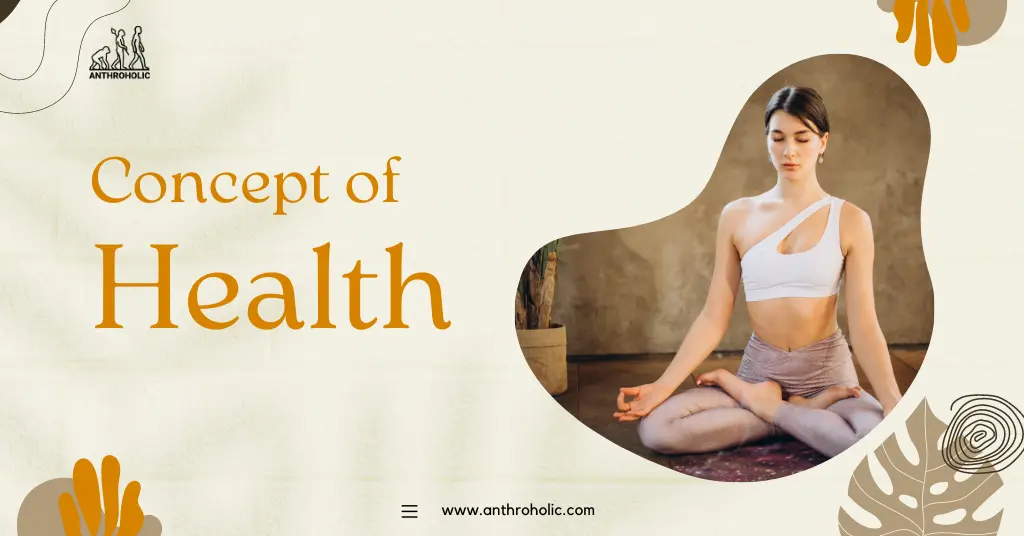
The concept of health has evolved and diversified throughout history, adapting to various cultural, technological, and social contexts. By examining different cultures, societies, and historical periods, we can arrive at a more nuanced understanding of what it means to be "healthy."

The first step in writing a research report is defining the research problem. This step is crucial as it sets the direction for the rest of the research process.
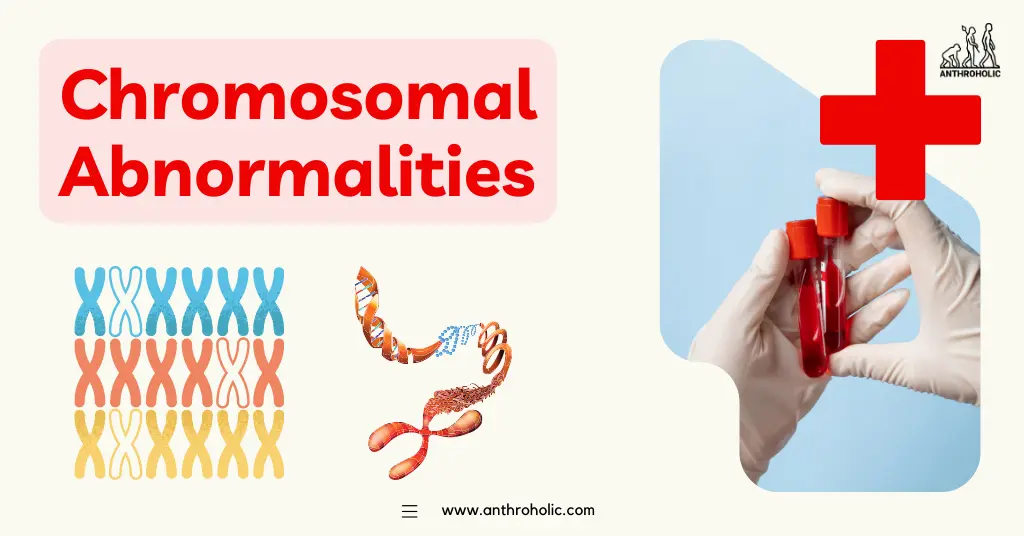
Chromosomal abnormalities occur when there is a significant change in the number or structure of chromosomes in a person's cells. This can include deletions, duplications, inversions, or translocations of chromosome parts.

Unani, a term originating from the Greek word 'Ionian', refers to a system of medicine largely based on Greek principles. This medical system emphasizes the balance of bodily fluids and has been practiced predominantly in South Asia and the Middle East.

Naturopathy, also known as naturopathic medicine, is a healthcare system that seeks to tap into the body's inherent power to heal itself. It emphasizes the use of natural therapies and the connection between the mind, body, and spirit.

Yoga is a profound practice that dates back over 5,000 years, originating in ancient India. It is more than just a physical exercise; it integrates mind, body, and soul through a combination of postures, meditation, breath control, and more.
Polygenes refer to a group of multiple genes that contribute to the expression of a specific trait or characteristic. Unlike single genes that have a clear-cut influence, polygenes work together to influence a trait's variation and complexity.
Genomic Library is a collection of the total genomic DNA from a single organism. The DNA is stored in a population of identical vectors, each containing a different insert of DNA.
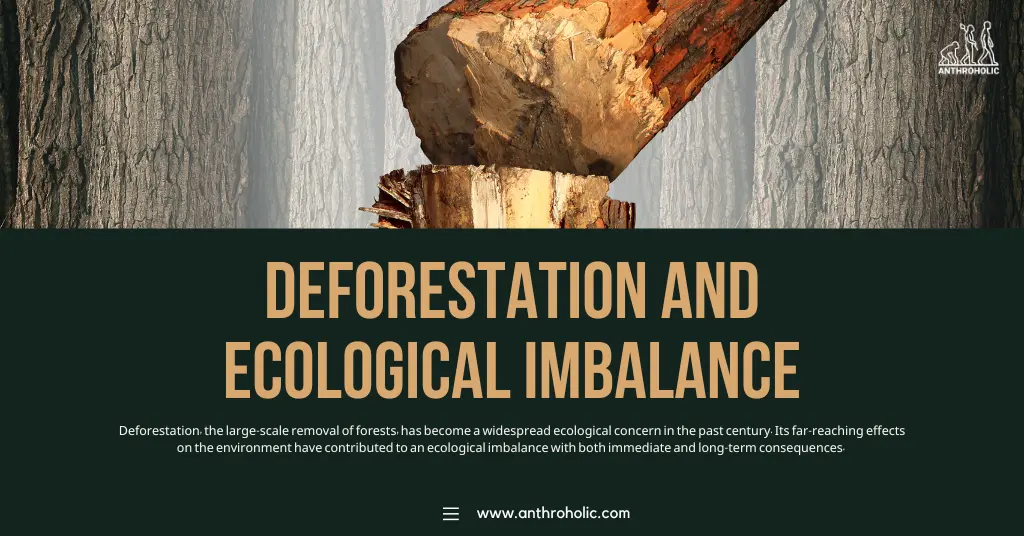
Deforestation, the large-scale removal of forests, has become a widespread ecological concern in the past century. Its far-reaching effects on the environment have contributed to an ecological imbalance with both immediate and long-term consequences.
Cultural change refers to the transformation, modification, or shifts in the cultural patterns of a society over time. This change might manifest in beliefs, values, norms, symbols, and artifacts, among others .

An archaeological site, by definition, is a location where remnants of past human activity are preserved. These sites offer a tangible connection to our human history, providing invaluable insights into various civilizations' lifestyles, traditions, and technological advancements.
