
AI Answer Evaluation Platform Live Now. Try Free Answer Evaluation Now

Social Sciences

The social sciences, a critical field of study, occupy a significant position in the broad expanse of academic disciplines.
Anthropology is the scientific study of humanity, including human biology, culture, and society. This broad field encompasses several sub-disciplines, including cultural anthropology, linguistic anthropology, and archaeology. From exploring the diversity of human cultures to understanding the biological and evolutionary foundations of our species, anthropology provides a comprehensive understanding of what it means to be human.
The social sciences, a critical field of study, occupy a significant position in the broad expanse of academic disciplines.

One of the most well-known types of states is a Kingdom, a form of government with a monarch at the helm, where authority and power are typically inherited.
Social control refers to the various mechanisms that regulate individual and group behavior in an attempt to maintain order and promote conformity within a society.

Law and justice in simple societies can be understood in somewhat different ways compared to their understanding in complex, modern societies.
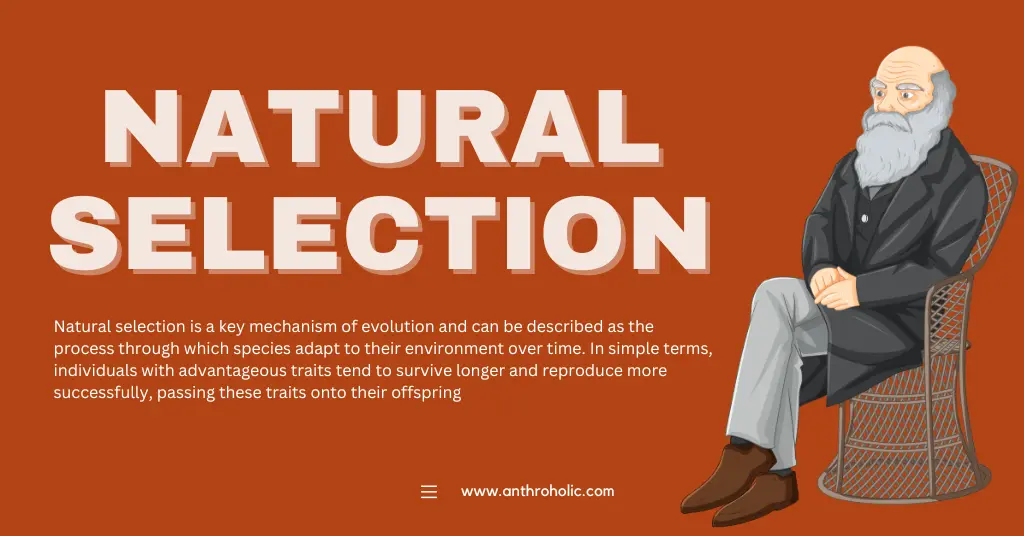
Natural selection is a key mechanism of evolution and can be described as the process through which species adapt to their environment over time.

Gene therapy is a medical field that has shown potential for treating and potentially eradicating genetic disorders and other diseases by altering the genetic makeup of an individual's cells.
Genetic screening is a process used to identify variations or alterations in an individual's genetic material (DNA) to assess their risk of developing certain genetic disorders or conditions.
Human ecology is a subfield of ecology that is particularly concerned with the relationship between humans and their social, natural, and constructed environments.
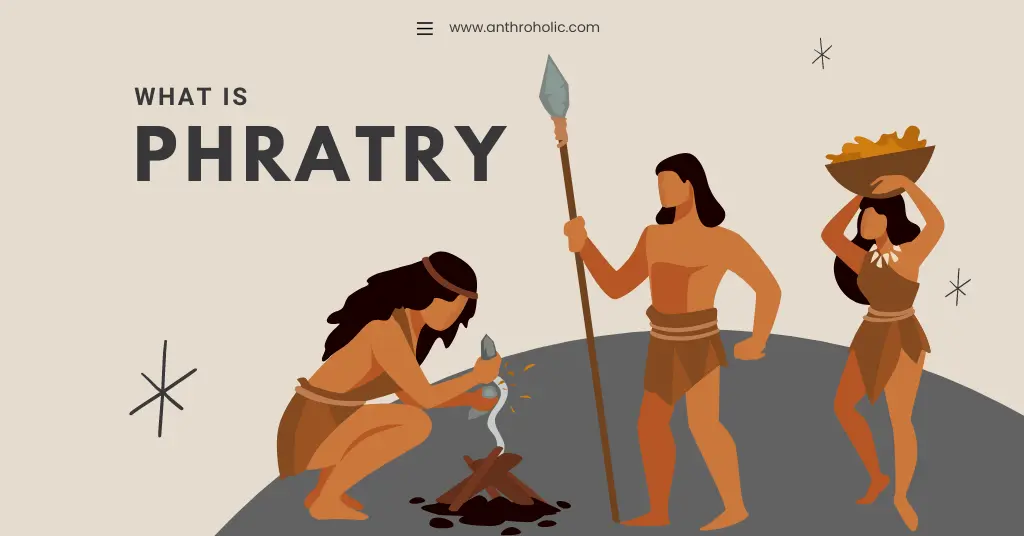
A phratry is a social group, often kinship-based, in traditional societies. It consists of several clans or tribes that share common ancestry or mythology.
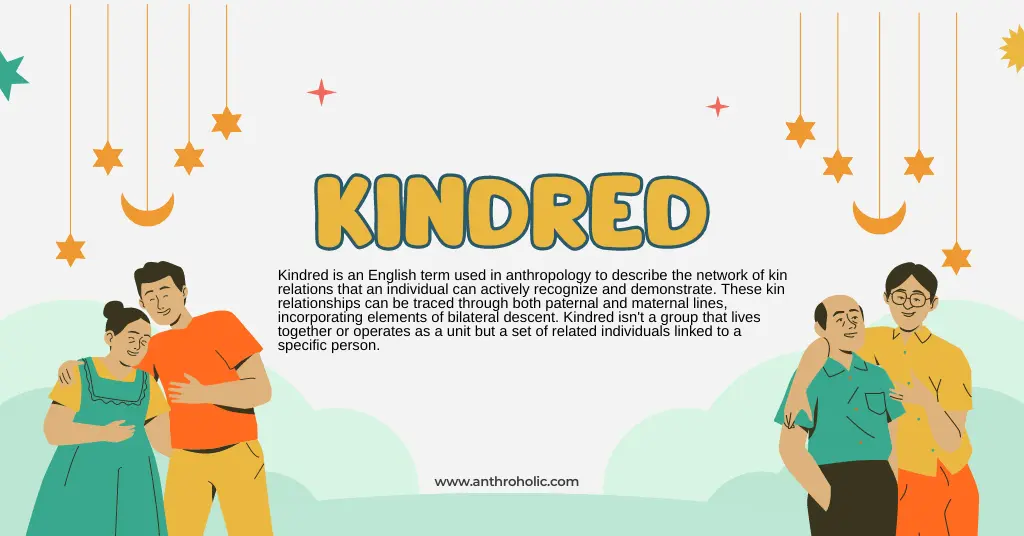
Kindred is an English term used in anthropology to describe the network of kin relations that an individual can actively recognize and demonstrate. These kin relationships can be traced
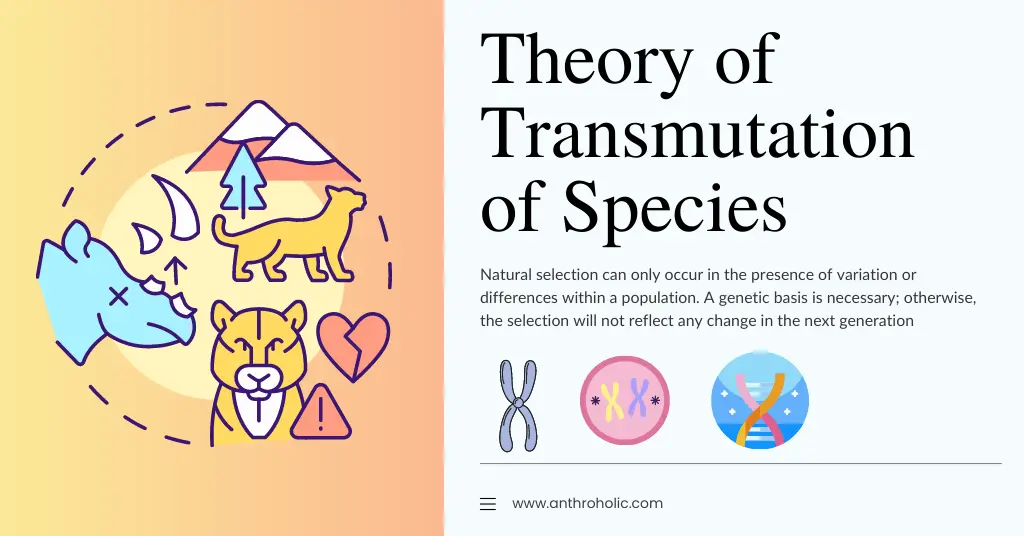
The concept of transmutation of species, also known as evolution, has been a topic of interest and debate for centuries.
The scope of anthropological research is broad and diverse, encompassing various sub-fields like cultural anthropology, biological (or physical) anthropology, linguistic anthropology, and archaeology.
