
AI Answer Evaluation Platform Live Now. Try Free Answer Evaluation Now


Russian Anthropology

Russian anthropology can be traced back to the 18th and 19th centuries when scholars, like the geographer and ethnographer
Anthropology is the scientific study of humanity, including human biology, culture, and society. This broad field encompasses several sub-disciplines, including cultural anthropology, linguistic anthropology, and archaeology. From exploring the diversity of human cultures to understanding the biological and evolutionary foundations of our species, anthropology provides a comprehensive understanding of what it means to be human.
Russian anthropology can be traced back to the 18th and 19th centuries when scholars, like the geographer and ethnographer

German anthropology traces its roots to the Enlightenment period, during which European scholars began to systematically

French anthropology traces its origins to the early 19th century, when scholars began to examine the cultural and biological differences among human populations.

British anthropology, in particular, has played a significant role in shaping the broader field of anthropology, with its history, key figures, and contributions.
American anthropology, in particular, has played a crucial role in shaping the field as a whole, offering unique perspectives and contributions.
The Anthropology of Art is a field of study that explores the rich and diverse ways in which human societies and cultures engage with artistic expression.
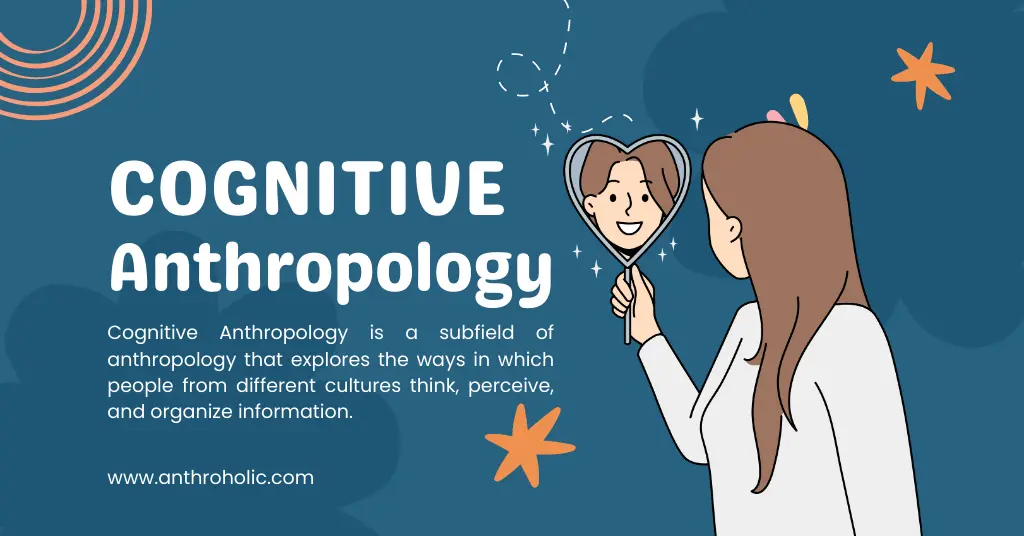
Cognitive Anthropology is a subfield of anthropology that explores the ways in which people from different cultures

Digital anthropology is the study of human interaction and culture in the digital realm, encompassing a wide range of online and offline activities.
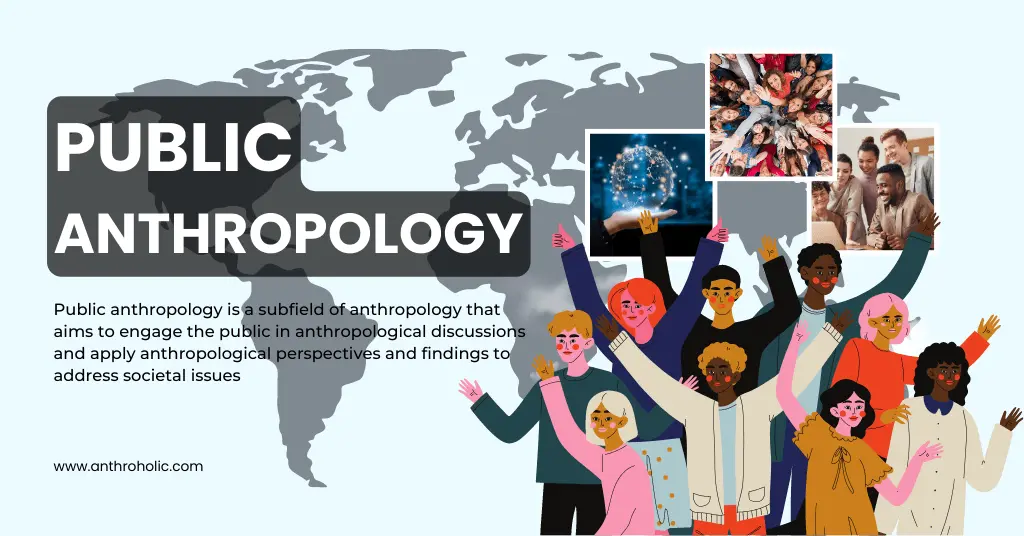
Public anthropology is a subfield of anthropology that aims to engage the public in anthropological discussions

Transpersonal anthropology is a relatively new and interdisciplinary field that emerged in the latter half of the 20th century.

Nutritional anthropology is a multidisciplinary field that examines the intricate relationship between human dietary habits, culture, and evolution.
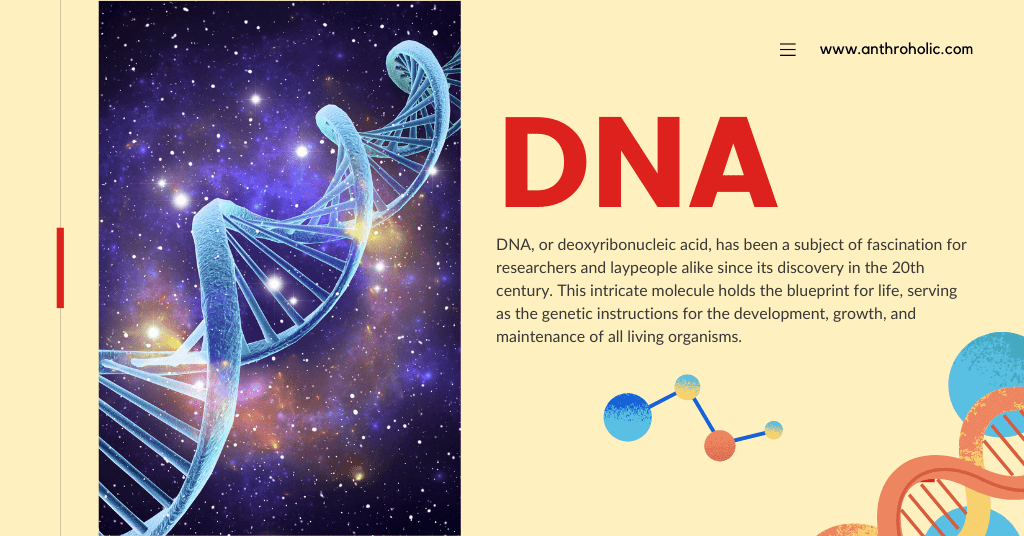
DNA, or deoxyribonucleic acid, has been a subject of fascination for researchers and laypeople alike since its discovery in the 20th century.