Social/Cultural Anthropology

Social and Cultural Anthropology is the study of human societies and cultures, including their beliefs, practices, and social organization. This category covers topics such as religion, economics, politics, and family, as well as the study of cultural diversity and globalization. From exploring the rich diversity of human cultures to understanding the complex social and cultural systems that shape our world, learn about the fascinating field of social and cultural anthropology.

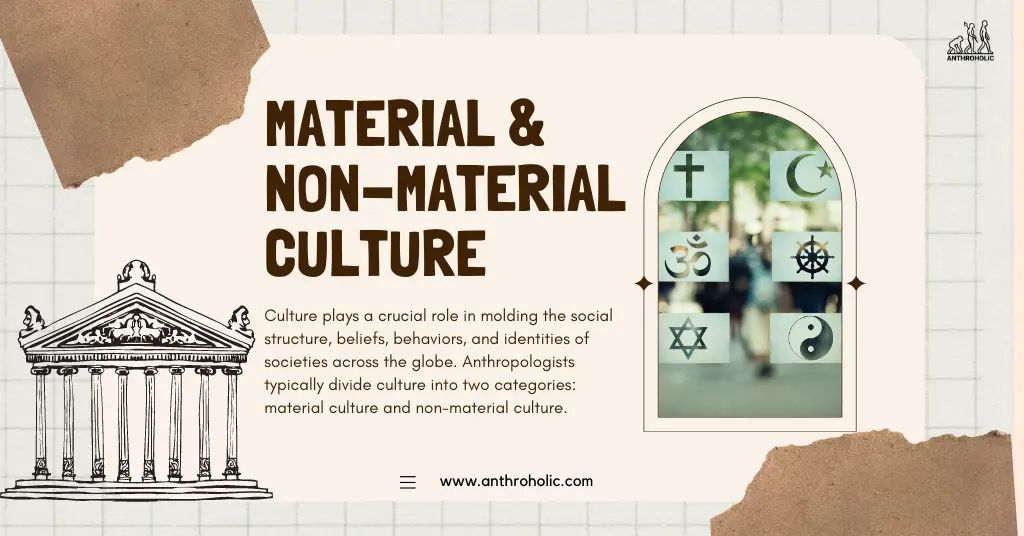
Culture plays a crucial role in molding the social structure, beliefs, behaviors, and identities of societies across the globe. Anthropologists typically divide culture into two categories: material culture and non-material culture.
Material and Non-material Culture

Culture plays a crucial role in molding the social structure, beliefs, behaviors, and identities of societies across the globe. Anthropologists typically divide culture into two categories: material culture and non-material culture.
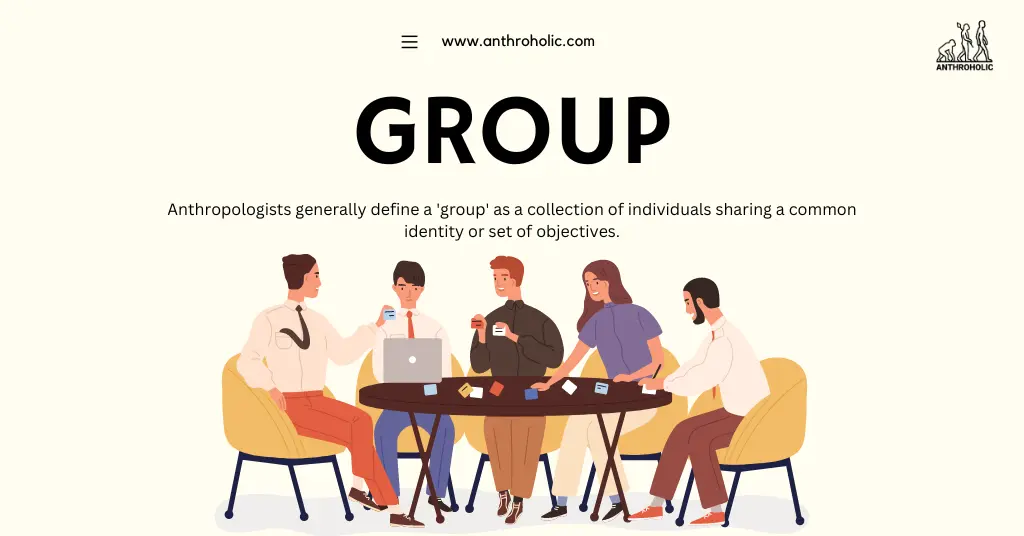
The concept of a ‘group’ serves as a cornerstone in social anthropology, providing essential insights into the structures and dynamics that define human social interaction.

Group

The concept of a ‘group’ serves as a cornerstone in social anthropology, providing essential insights into the structures and dynamics that define human social interaction.

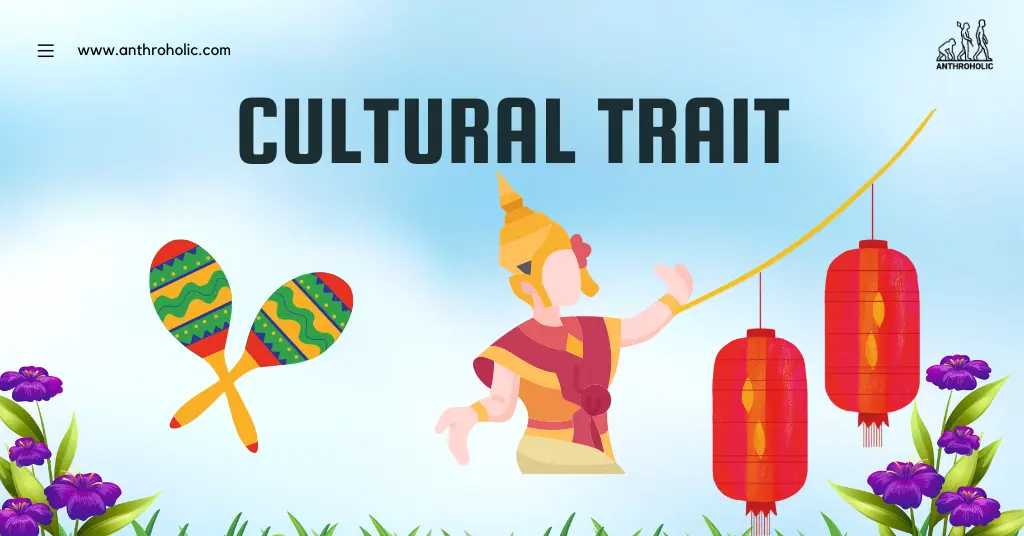
Cultural traits can be defined as individual units of culture, such as the language spoken, clothing worn, religious beliefs, or customs practiced. These traits can be tangible, like artifacts and symbols, or intangible, like belief systems and traditions.

Cultural trait

Cultural traits can be defined as individual units of culture, such as the language spoken, clothing worn, religious beliefs, or customs practiced. These traits can be tangible, like artifacts and symbols, or intangible, like belief systems and traditions.

The symbiotic relationship between crime and society has piqued the interest of scholars, particularly those of social-cultural anthropology. The discipline, grounded in understanding human behavior, culture, and societal norms, provides a unique lens to unpack the complexities and nuances of crime.

Crime and Society

The symbiotic relationship between crime and society has piqued the interest of scholars, particularly those of social-cultural anthropology. The discipline, grounded in understanding human behavior, culture, and societal norms, provides a unique lens to unpack the complexities and nuances of crime.

Criminal law is an integral part of the justice system, responsible for regulating social conduct, deterring criminal activities, and maintaining public order. It sets out the parameters of lawful and unlawful behavior, stipulating punishments for transgressions.

Criminal Law

Criminal law is an integral part of the justice system, responsible for regulating social conduct, deterring criminal activities, and maintaining public order. It sets out the parameters of lawful and unlawful behavior, stipulating punishments for transgressions

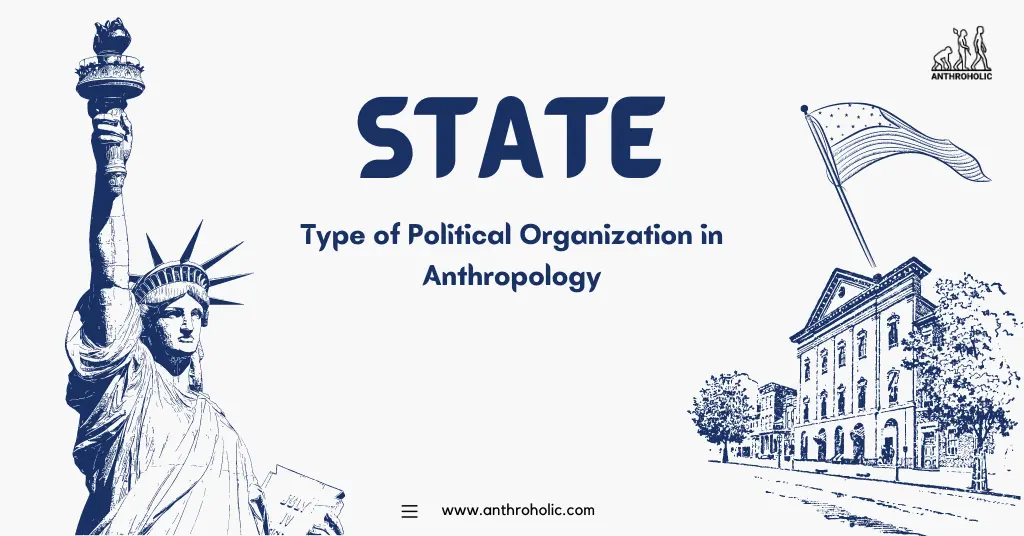
In its simplest form, the state is an institution with a monopoly on the legitimate use of physical force within a given territory. Yet, its definition in political anthropology expands to include elements like culture, societal structure, and power relationships.

State

In its simplest form, the state is an institution with a monopoly on the legitimate use of physical force within a given territory. Yet, its definition in political anthropology expands to include elements like culture, societal structure, and power relationships.

Structuralism, originally developed by anthropologist Claude Lévi-Strauss in the mid-20th century, revolutionized the way we understand culture, language, and society.

Structuralism

Structuralism, originally developed by anthropologist Claude Lévi-Strauss in the mid-20th century, revolutionized the way we understand culture, language, and society.

Structural Functionalism, is a framework in sociology and anthropology that interprets society as a structure with interdependent parts designed to meet the biological and social needs of individuals that compose it.

Structural Functionalism

Structural Functionalism, is a framework in sociology and anthropology that interprets society as a structure with interdependent parts designed to meet the biological and social needs of individuals that compose it.

Functionalism is a prominent theoretical perspective in sociology that attempts to explain social phenomena in terms of the roles they perform within a society. Conceptually, it views society as a complex system where all parts work together to promote solidarity and stability.

Functionalism

Functionalism is a prominent theoretical perspective in sociology that attempts to explain social phenomena in terms of the roles they perform within a society. Conceptually, it views society as a complex system where all parts work together to promote solidarity and stability.

Diffusionism, in anthropology, refers to a school of thought which poscribes that cultural traits and ideas spread from a central point of origin, influencing and transforming other cultures across the globe.

Diffusionism

Diffusionism, in anthropology, refers to a school of thought which poscribes that cultural traits and ideas spread from a central point of origin, influencing and transforming other cultures across the globe.

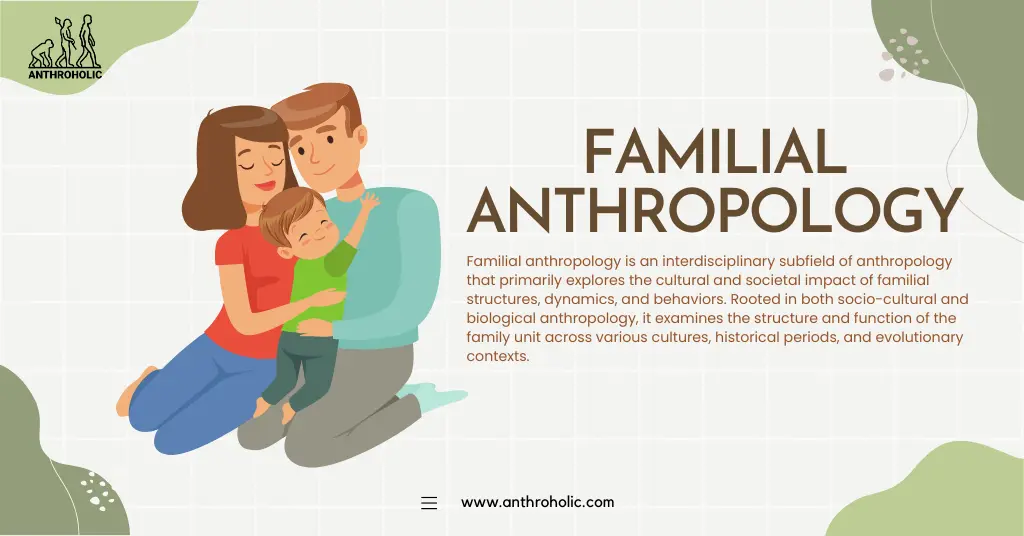
Familial anthropology is an interdisciplinary subfield of anthropology that primarily explores the cultural and societal impact of familial structures, dynamics, and behaviors.

Familial Anthropology

Familial anthropology is an interdisciplinary subfield of anthropology that primarily explores the cultural and societal impact of familial structures, dynamics, and behaviors.

Food sharing is a vital cultural and social activity prevalent in many societies worldwide. In anthropology, the concept of food sharing extends beyond merely giving or receiving food. It reflects complex social norms, interpersonal relationships, social stratification, and symbolic meanings, forming a basis for exploring the interplay between culture, society, and human behavior.

Food Sharing

Food sharing is a vital cultural and social activity prevalent in many societies worldwide. In anthropology, the concept of food sharing extends beyond merely giving or receiving food.