Social/Cultural Anthropology

Social and Cultural Anthropology is the study of human societies and cultures, including their beliefs, practices, and social organization. This category covers topics such as religion, economics, politics, and family, as well as the study of cultural diversity and globalization. From exploring the rich diversity of human cultures to understanding the complex social and cultural systems that shape our world, learn about the fascinating field of social and cultural anthropology.

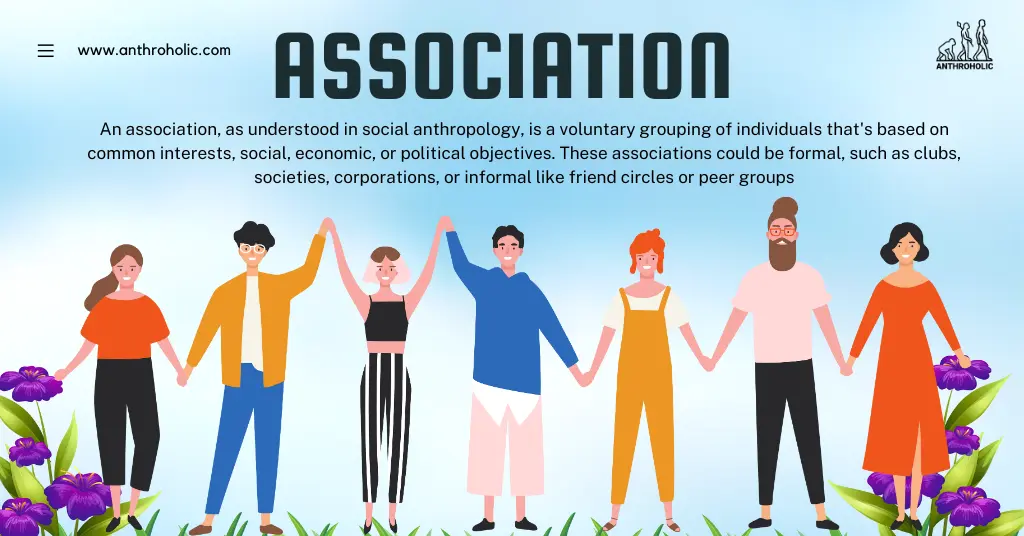
An association, as understood in social anthropology, is a voluntary grouping of individuals that's based on common interests, social, economic, or political objectives. These associations could be formal, such as clubs, societies, corporations, or informal like friend circles or peer groups.

Association

An association, as understood in social anthropology, is a voluntary grouping of individuals that's based on common interests, social, economic, or political objectives. These associations could be formal, such as clubs, societies, corporations, or informal like friend circles or peer groups.

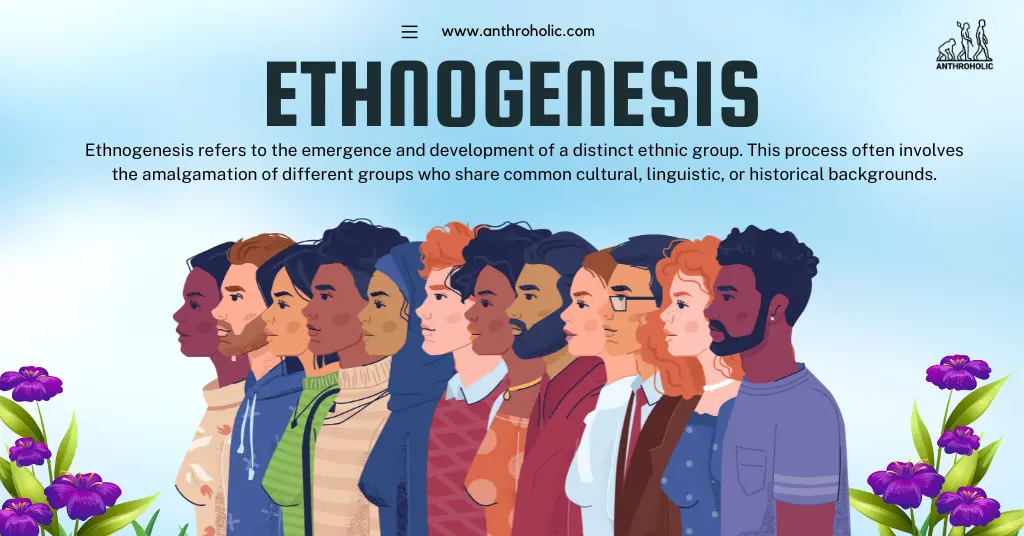
Ethnogenesis refers to the emergence and development of a distinct ethnic group. This process often involves the amalgamation of different groups who share common cultural, linguistic, or historical backgrounds.

Ethnogenesis

Ethnogenesis refers to the emergence and development of a distinct ethnic group. This process often involves the amalgamation of different groups who share common cultural, linguistic, or historical backgrounds.

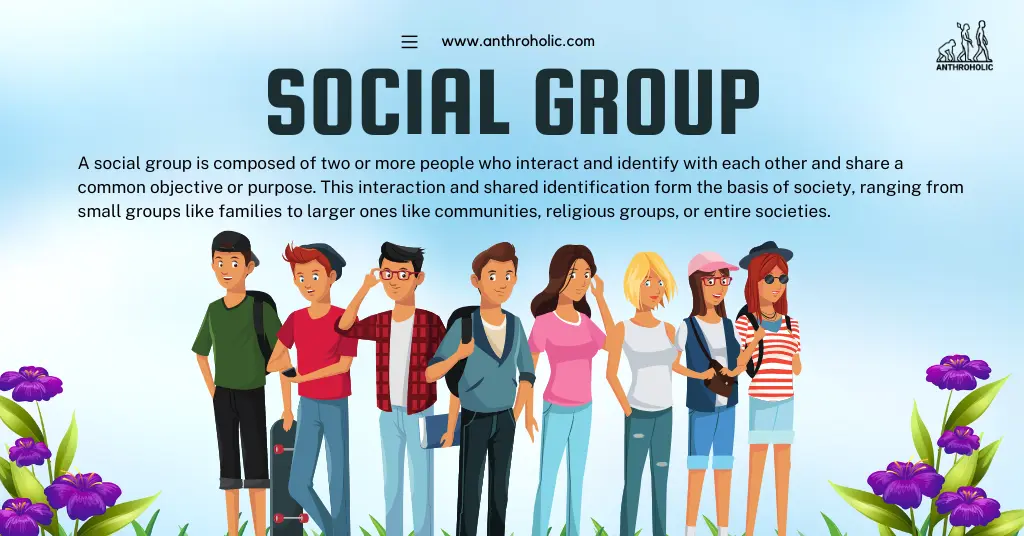
A social group is composed of two or more people who interact and identify with each other and share a common objective or purpose. This interaction and shared identification form the basis of society, ranging from small groups like families to larger ones like communities, religious groups, or entire societies.

Social Groups

A social group is composed of two or more people who interact and identify with each other and share a common objective or purpose. This interaction and shared identification form the basis of society, ranging from small groups like families to larger ones like communities, religious groups, or entire societies.

The Sapir-Whorf Hypothesis, a seminal concept in the field of linguistic anthropology, posits a relationship between language, thought, and culture, emphasizing that our understanding and perception of reality are influenced by the language we use

Sapir-Whorf Hypothesis

The Sapir-Whorf Hypothesis, a seminal concept in the field of linguistic anthropology, posits a relationship between language, thought, and culture, emphasizing that our understanding and perception of reality are influenced by the language we use

Culture is more than just art, music, and cuisine—it's an intricate tapestry of shared beliefs, values, and customs that knit communities together. The "Nature of Culture" varies from society to society, evolving and adapting with time and circumstance.

Nature of Culture

Culture is more than just art, music, and cuisine—it's an intricate tapestry of shared beliefs, values, and customs that knit communities together. The "Nature of Culture" varies from society to society, evolving and adapting with time and circumstance.

Understanding human behavior necessitates a nuanced comprehension of both situation and context. The interplay between the two shapes societal interactions and constructs.

Situation and Context

Understanding human behavior necessitates a nuanced comprehension of both situation and context. The interplay between the two shapes societal interactions and constructs.

Concept of Agent and Agency in Anthropology

Agent and Agency

The field of anthropology has significantly been influenced by the concept of 'agent' and 'agency', broadening our understanding of how individuals shape societies and cultures.

The term 'incest taboo' refers to the prohibition of sexual relations and marriage between certain relatives. It is a social norm that deems certain types of familial interrelationships as culturally inappropriate or morally unacceptable.

Incest Taboo

The term 'incest taboo' refers to the prohibition of sexual relations and marriage between certain relatives. It is a social norm that deems certain types of familial interrelationships as culturally inappropriate or morally unacceptable.

Museum and Cultural Heritage Studies in Anthropology

Museum and Cultural Heritage Studies

Museum and Cultural Heritage Studies (MCHS) constitute an essential discipline that dives into the world of historical artefacts, monuments, and heritage sites, shedding light on the richness and diversity of human culture and civilization.

What is Polygynandry Marriage in Anthropology

Polygynandry

Polygynandry is a mating system in which several males mate with several females. The term is derived from 'poly' meaning many, 'gyn' for female, and 'andry' for male.

Overt and Covert Culture in Anthropology

Overt and Covert Culture

The concept of culture can be understood as a complex interplay between overt and covert culture elements. For example, in an office environment, the overt culture might include dress code, visible work structures, and documented policies.