AI Answer Evaluation Platform Live Now. Try Free Answer Evaluation Now

Janmi System

The Janmi system, a traditional agrarian land ownership system prevalent in parts of southern India, particularly Kerala, involves complex
"Exploring the Diversity of Human Culture: Insights from Anthropology"
The Janmi system, a traditional agrarian land ownership system prevalent in parts of southern India, particularly Kerala, involves complex

From hunting and gathering to the industrial stage, eco-cultural adaptations have shaped human civilization in profound ways. Understanding these adaptations provides insight into the complex relationship between humans and their environment across history.

Effective answer writing is a game-changer for scoring high in Anthropology Optional. By understanding the question's demand, structuring answers strategically, and practicing regularly, aspirants can master this art.

India, often referred to as a subcontinent, presents a fascinating canvas of unity and diversity.…

The concept of a Tribe-Caste Continuum encapsulates the blurring boundaries and interactions between these groups, illustrating the fluidity of identity and status within Indian society.
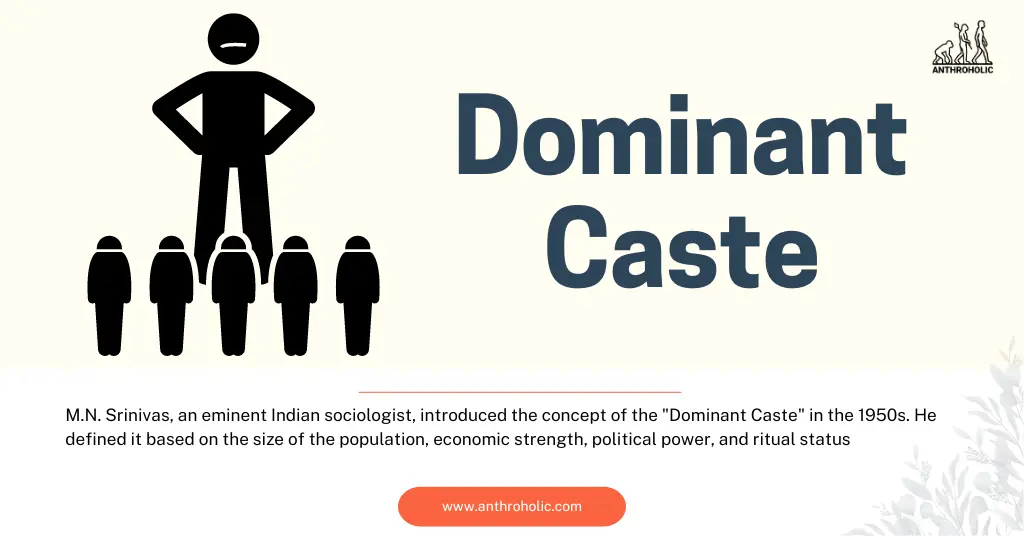
Dominant caste is a unique concept in the Indian social structure, representing the ascendant caste group that exercises significant control and influence within a specific region.
Discover the keys to mastering the UGC NET Anthropology syllabus in our comprehensive guide. From foundational principles to advanced theories, delve into every facet for exam readiness and a fulfilling journey in the dynamic field of Anthropology.
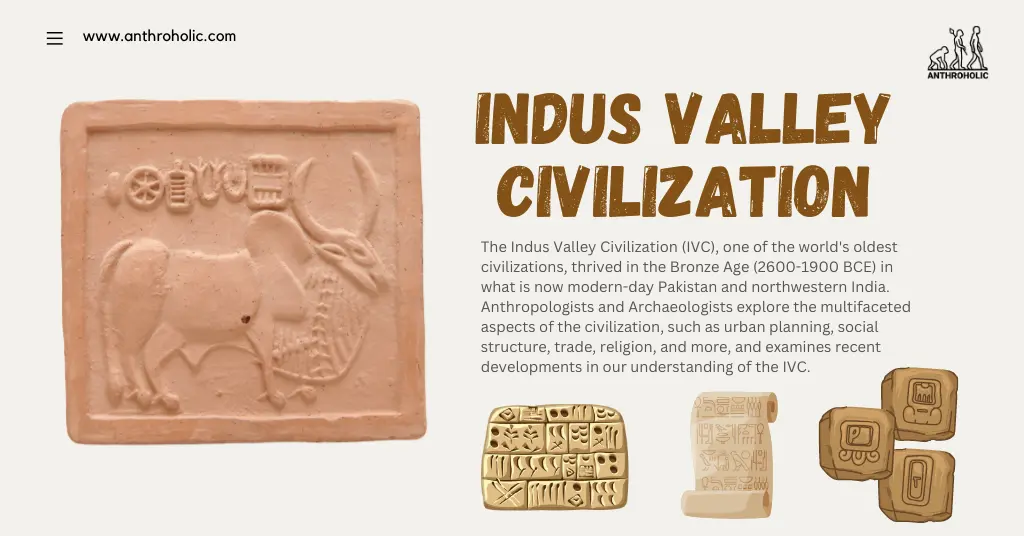
The Indus Valley Civilization (IVC), one of the world's oldest civilizations, thrived in the Bronze Age (2600-1900 BCE) in what is now modern-day Pakistan and northwestern India.

Nutritional deficiencies, occurring when the body doesn't receive enough essential nutrients, are a major global health concern impacting millions worldwide. Their prevalence, particularly in developing nations
Caste is a form of social hierarchy where individuals are born into a specific group, defined by their lineage and occupation, and remain within that group for life.
Kyasanur Forest Disease (KFD), also known as Monkey Fever, is a tick-borne viral hemorrhagic fever endemic to South Asia. Originating from the Kyasanur Forest in Karnataka, India, KFD has serious implications on the socio-economic, cultural, and health dimensions of affected communities.
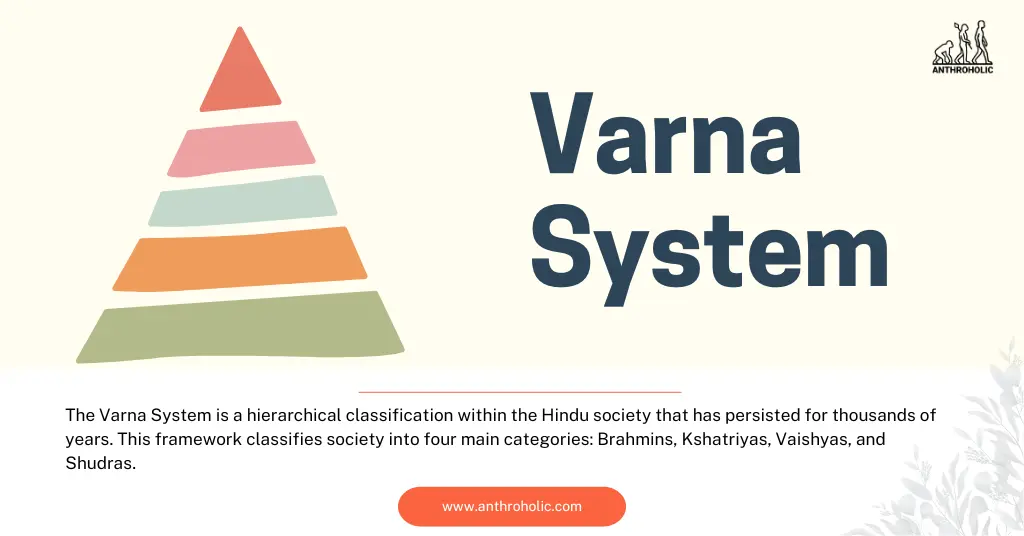
The Varna System is a hierarchical classification within the Hindu society that has persisted for thousands of years. This framework classifies society into four main categories: Brahmins, Kshatriyas, Vaishyas, and Shudras.

