
AI Answer Evaluation Platform Live Now. Try Free Answer Evaluation Now

Margaret Mead

Few figures in 20th-century social science sparked as much debate or did as much to bring anthropology into the public eye as Margaret Mead.
+91-7303290503, +91-9557169661 | MON to SUN 10:00 AM - 6:00 PM

Anthropology is the scientific study of humanity, including human biology, culture, and society. This broad field encompasses several sub-disciplines, including cultural anthropology, linguistic anthropology, and archaeology. From exploring the diversity of human cultures to understanding the biological and evolutionary foundations of our species, anthropology provides a comprehensive understanding of what it means to be human.
Few figures in 20th-century social science sparked as much debate or did as much to bring anthropology into the public eye as Margaret Mead.

In the mid-20th century, when anthropology was carving out its identity

Fritz Graebner was a central, if controversial, figure in early 20th-century
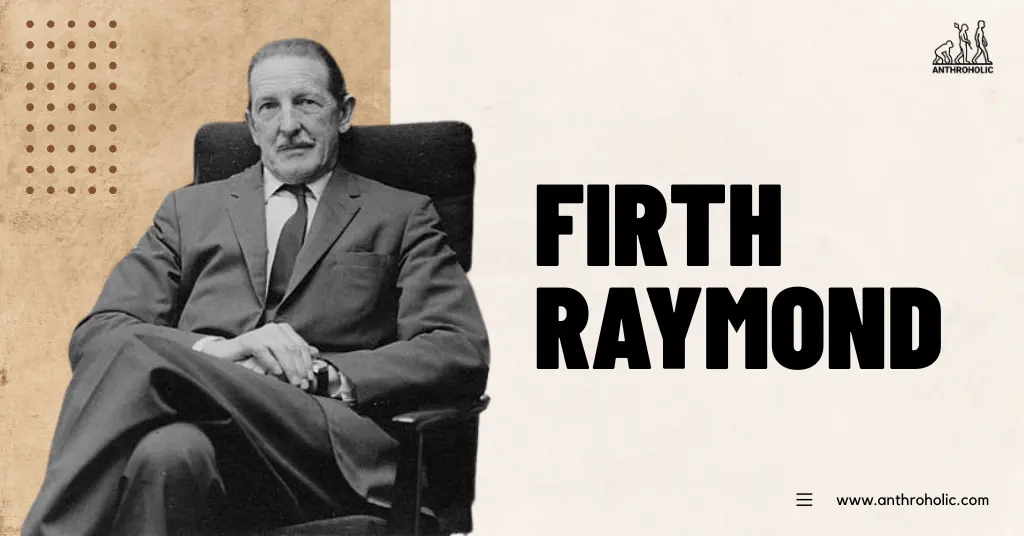
Raymond Firth wasn't a household name-but in the world of anthropology,
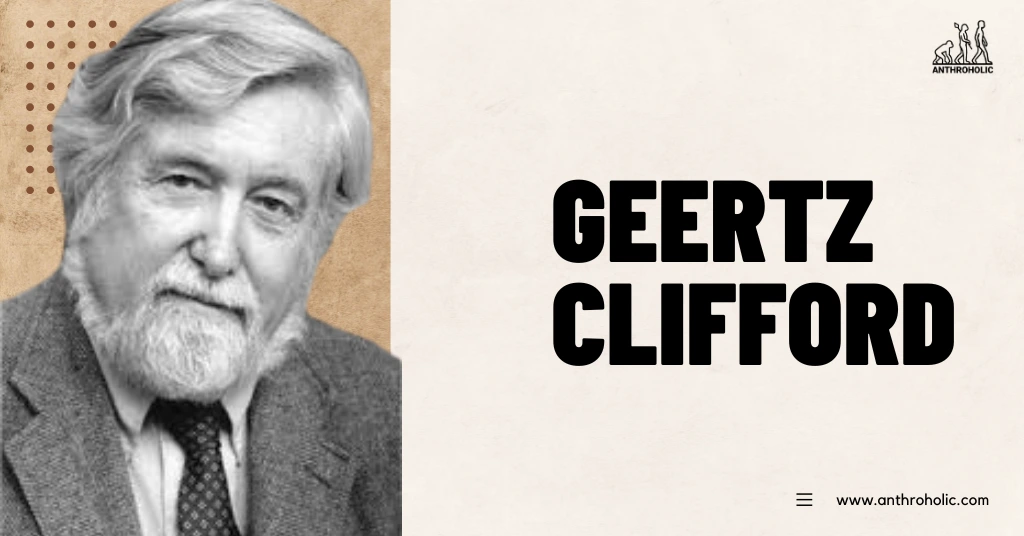
One of the most influential anthropologists of the 20th century, Geertz Clifford is best known for founding interpretive anthropology

In the early decades of the 20th century, as India grappled

Few thinkers have moved as fluidly across intellectual boundaries as Gregory Bateson

Harold C. Conklin was a pioneering figure in anthropology and ethnobotany
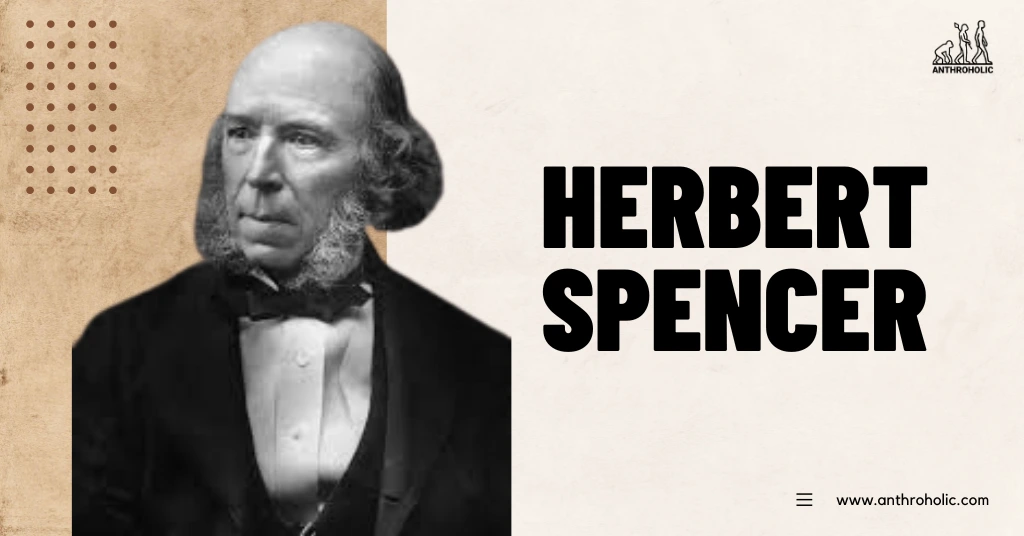
Herbert Spencer was a towering figure in Victorian intellectual life

Irawati Karve was one of the first Indian women to emerge

John Adair was a pioneering American anthropologist whose innovative work in visual anthropology, Native American

Arjun Appadurai is one of the most influential anthropologists of the late 20th and early 21st centuries, best known for his pioneering work on globalization, modernity, and cultural transformation. A theorist of the global condition, Appadurai redefined how we think…