AI Answer Evaluation Platform Live Now. Try Free Answer Evaluation Now

Analogy and Homology

In anthropology, analogy and homology can be used to compare and understand different aspects of human culture and biology.
Anthropology is the scientific study of humanity, including human biology, culture, and society. This broad field encompasses several sub-disciplines, including cultural anthropology, linguistic anthropology, and archaeology. From exploring the diversity of human cultures to understanding the biological and evolutionary foundations of our species, anthropology provides a comprehensive understanding of what it means to be human.
In anthropology, analogy and homology can be used to compare and understand different aspects of human culture and biology.
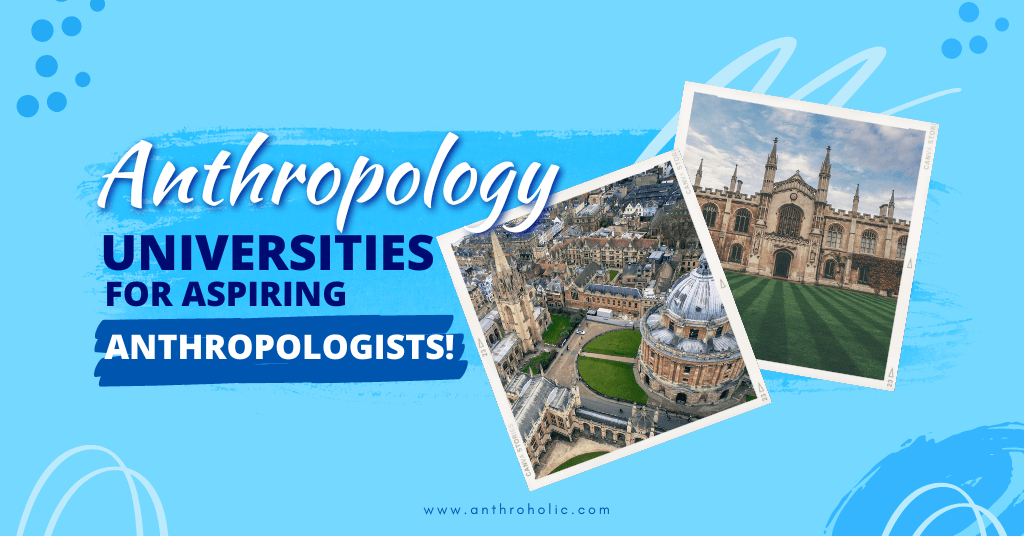
In this article, we will be exploring the top 10 anthropology universities in the world, providing an in-depth guide to help you make the right choice.
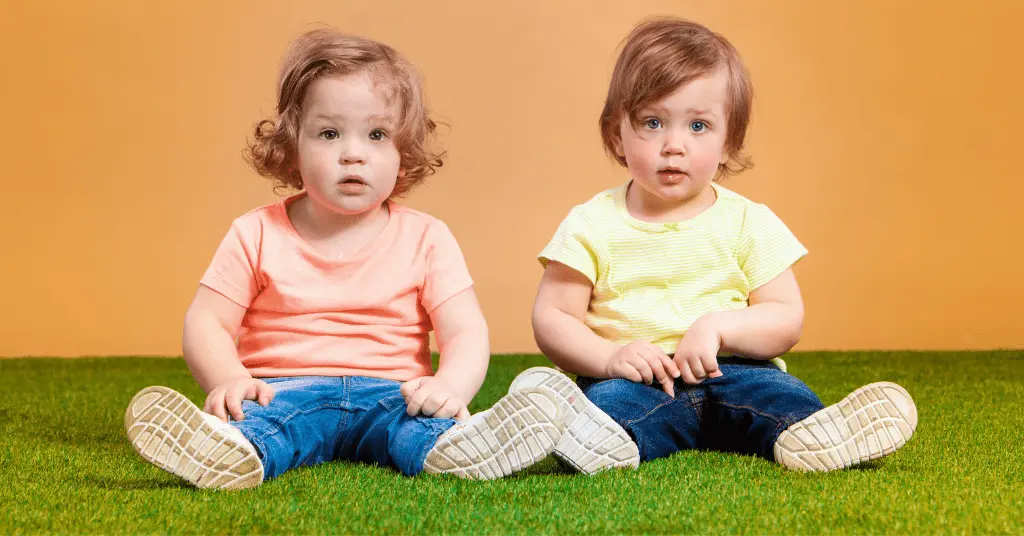
Monozygotic twins, or identical twins, are siblings who are formed from a single fertilized egg that divides into two identical embryos during early development.

Corporate Anthropology is the application of anthropological theories, methods, and tools in the context of the business world.
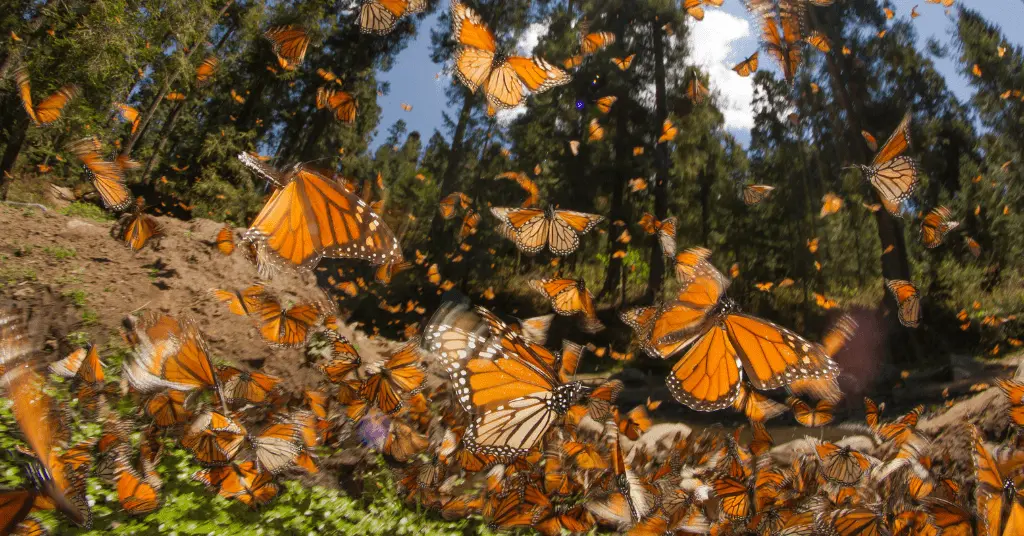
Adaptive radiation is a biological phenomenon in which a single ancestral species rapidly diversifies into multiple new species, each adapted to a specific ecological niche or habitat.
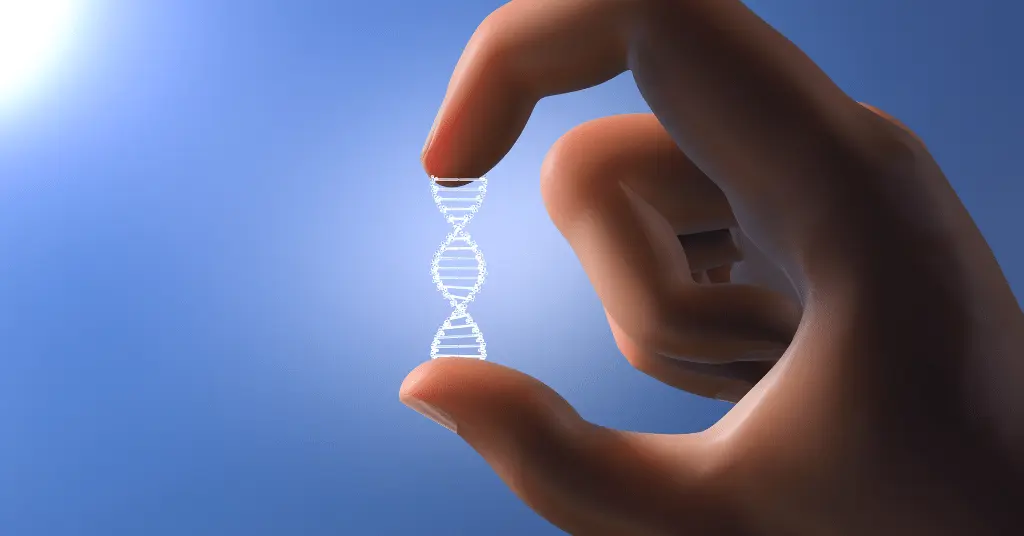
DNA is also known as the biological blueprint of life while DNA typing is also known by various names such as DNA Profiling, genotyping or identity testing.
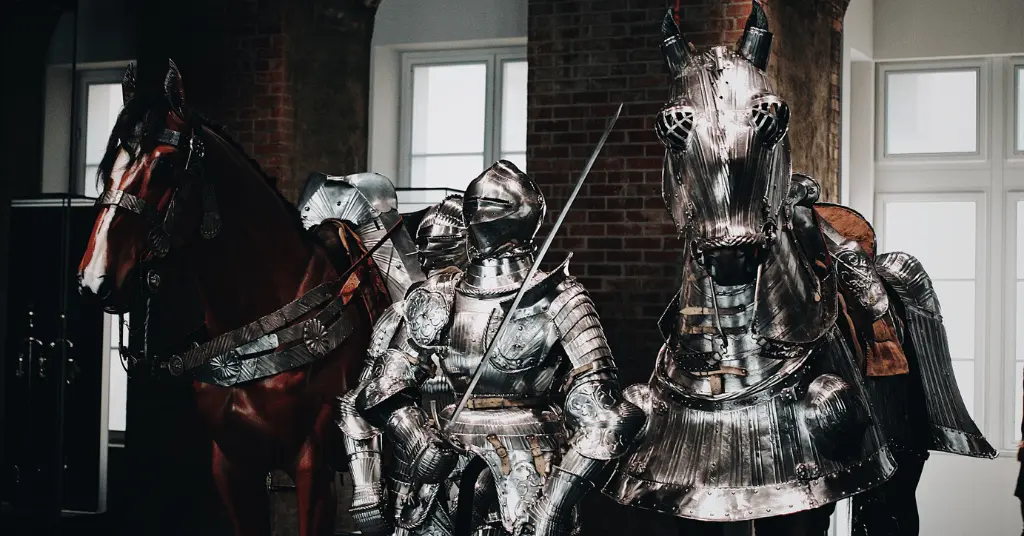
Medieval archaeology is the study of the material culture and societal changes during the period between the 5th and 15th centuries AD in Europe. This field of study
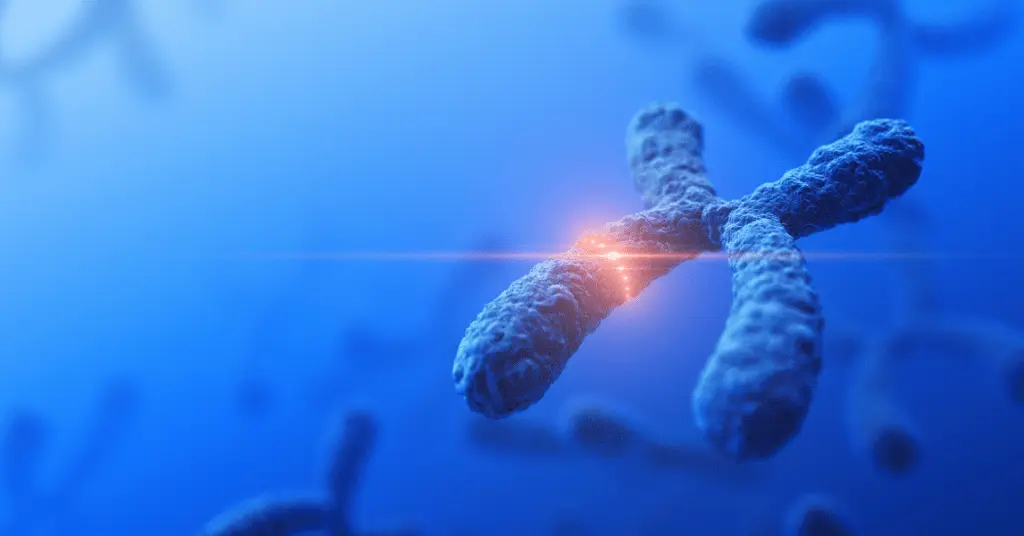
Genetic polymorphism is the occurrence of different gene or DNA sequence forms in a population. It results from natural variation and mutations, creating genetic code differences.
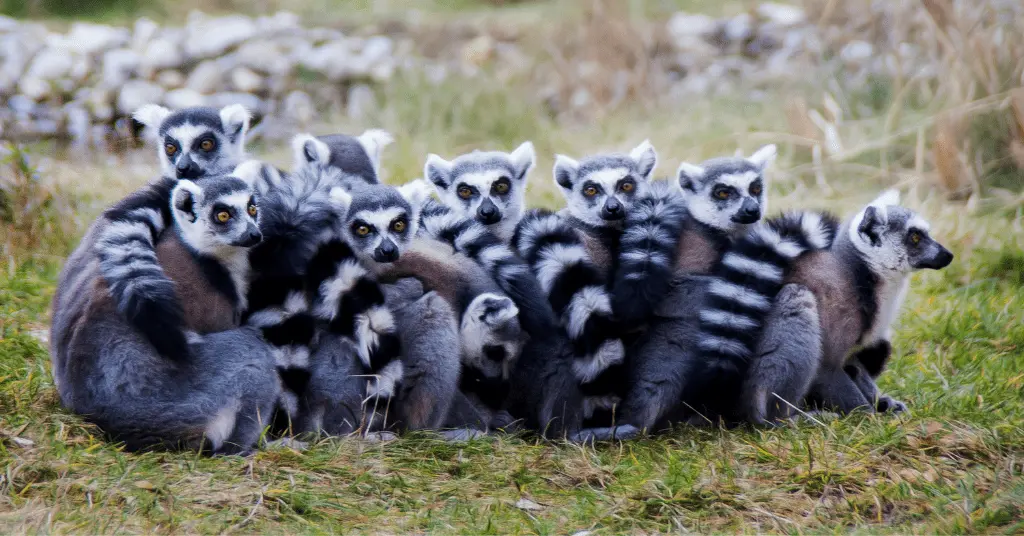
Prosimians are the group of animals who belong to the kingdom of mammals and the order primates.

White magic refers to the use of supernatural powers or spiritual practices for positive and benevolent intentions, such as healing, protection, and blessings.

Marriage and mating are fundamental aspects of human society. The union of two individuals creates a family unit, which forms the building blocks of society.
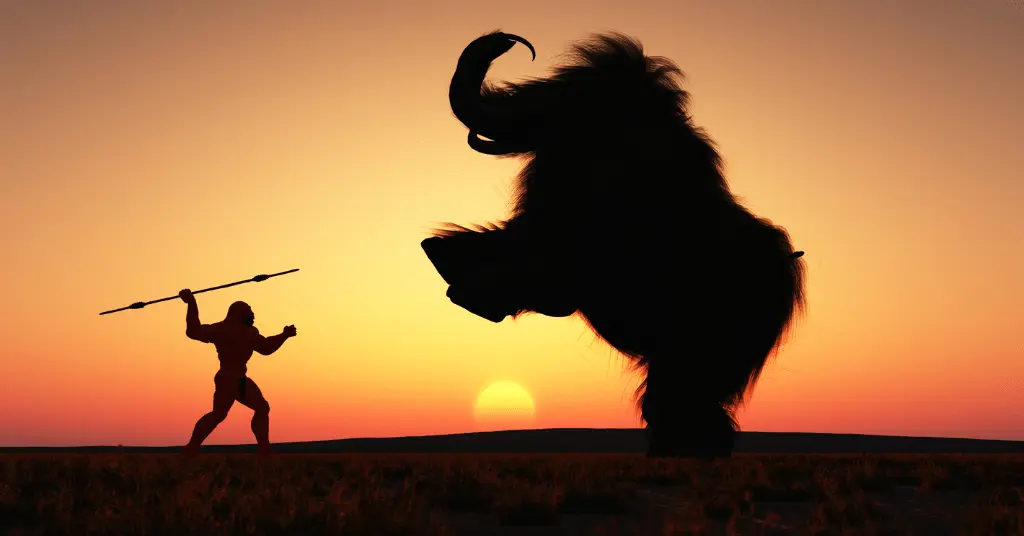
The idea behind "survival of the fittest" is that organisms with traits that are advantageous for survival and reproduction are more


