AI Answer Evaluation Platform Live Now. Try Free Answer Evaluation Now

The Anthropology of Horse Racing: How the Sport Reflects Class, Culture and Human Identity Across Civilizations
There are few more popular sports than horse racing in this modern era, with the industry being worth billions to local economies.
However, the success of the sport has developed over time, with the target audience in this era being vastly different to what it would have been when the sport was first growing in prominence.
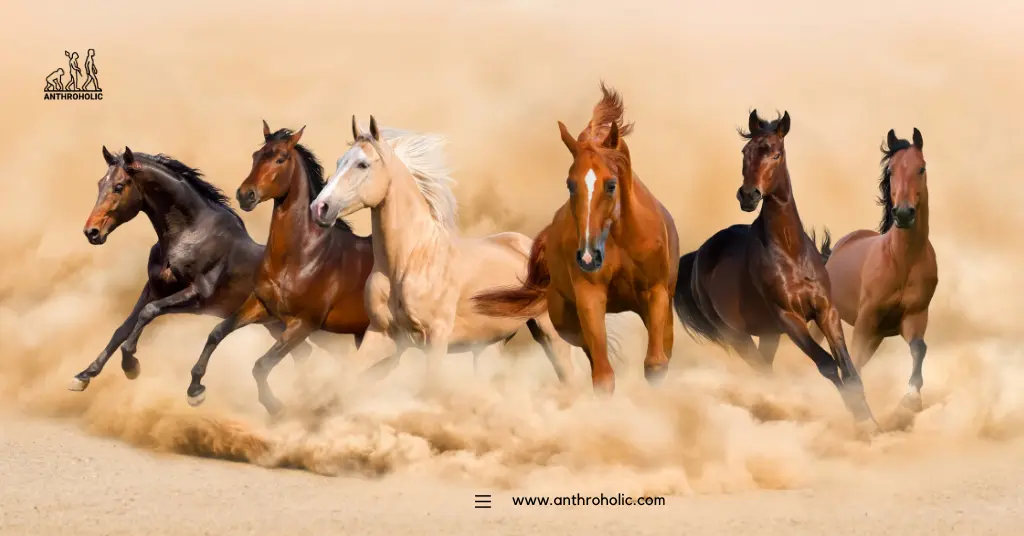
Nowadays, the sport appeals to people from all walks of life, with the Triple Crown races in the United States being popular with both the rich and famous, and also everyday folk. Therefore, the major events in the calendar rank among the most popular at TwinSpires, with dedicated markets for the Kentucky Derby and Breeders’ Cup Classic opening months in advance of the featured races in the season.
But how has the sport reflected the class, culture and human identity across civilization?
Social Hierarchy
It is no surprise that horse racing was first most popular among those at an elite class of society, especially considering that the sport was nicknamed as the ‘Sport of Kings’.
Therefore, the sport is deeply entrenched in aristocracy, especially in the United Kingdom where members of the Royal Family have long been influential figures in the sport. That continues in this modern day, with the Royal Procession being a common starting point to every day at Royal Ascot.
While many of the barriers have been removed in this modern day, there is still clearly a class divide between those that are attending the racing.
Major events will see those attending split into different enclosures, with middle class visitors typically opting to buy cheaper tickets, while those with deeper pockets will likely be seen in private boxes and dressed in more expensive suits.
Cultural Significance Across Civilization
The roots of horse racing date back generation, with the sport being first contested in 648 BCE, before it was developed with the creation of official rules in England in the 12th century. Racing gave Ancient Romans an identity, as chariot racing was a common part of urban life.
During this period, teams competed for the honor of winning races, creating a sense of community and celebration across different social levels. Horses have played different roles in other nations throughout history, as equines were prominent in nations such as Greece and Syria for military training. In these civilizations, horses will be trained for stamina and speed, which would be important traits required during warfare.
Some of the biggest changes to horse racing came in the 18th and 19th centuries, as British Colonial expansion saw the sport exported to nations like Hong Kong, Singapore, and Japan.
This has shaped the future of the sport, with Japan having grown in prominence on the global racing stage since then, including in 2025 when winning the Breeders’ Cup Classic for the first time with Forever Young.
Human Identity
The relationship between equines and humans is extremely special, with equines able to feel how people feel and then reflect that in their emotional response. This has ensured that equines have continued to play a profound role in civilizations across the world.
The kinship between the animal and human creates a unique bond, and the pedigree of thoroughbreds is highly valued. Horse racing also has the power to make humans feel different emotions, with underdog stories such as Golden Tempo’s win in the 2026 Kentucky Derby able to offer hope for those just starting out on their racing journey that impossible dreams can be achieved.
Historic moments on the track such as the performances of Seabiscuit are able to show the desire to triumph when the odds may be stacked against you. Major events on the calendar also create a human identity, with meetings such as Royal Ascot, the Melbourne Cup, and the Kentucky Derby acts as annual cultural rituals for those that are most passionate about the sport.
During these meetings, the gaps between communities are removed, while they also have the power to create family traditions and bring together diverse crowds to share in a collective experience.
Chasing Perfection
A powerful sign of the anthropology between horse racing and civilization is also the fact that those involved in the sport are constantly chasing perfection.
Regular wins at the top level are never enough, with trainers and jockeys still dreaming of finding that one horse that is capable of winning by further and in quicker times. This search of perfection drives the sport into the future, with greater emphasis put on the breeding operations to help create a champion that is capable of taking the world by storm.
That is generally a rule that many humans live by, as they will always be striving for perfection in their life, whether that be socially or in their work.

Related Posts