Anthropology

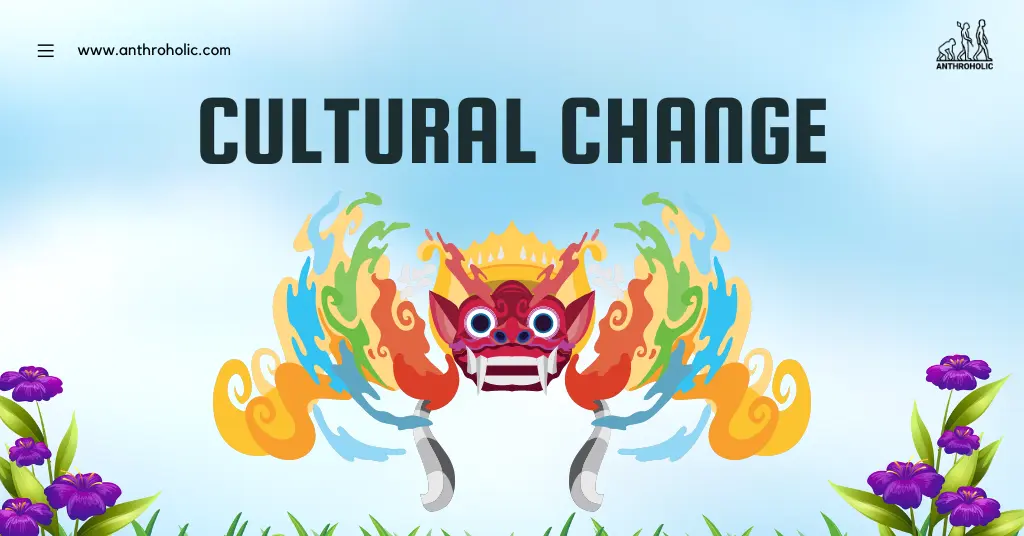
Cultural change refers to the transformation, modification, or shifts in the cultural patterns of a society over time. This change might manifest in beliefs, values, norms, symbols, and artifacts, among others.

Cultural Change

Cultural change refers to the transformation, modification, or shifts in the cultural patterns of a society over time. This change might manifest in beliefs, values, norms, symbols, and artifacts, among others .

An archaeological site, by definition, is a location where remnants of past human activity are preserved. These sites offer a tangible connection to our human history, providing invaluable insights into various civilizations' lifestyles, traditions, and technological advancements.

Archaeological Site

An archaeological site, by definition, is a location where remnants of past human activity are preserved. These sites offer a tangible connection to our human history, providing invaluable insights into various civilizations' lifestyles, traditions, and technological advancements.

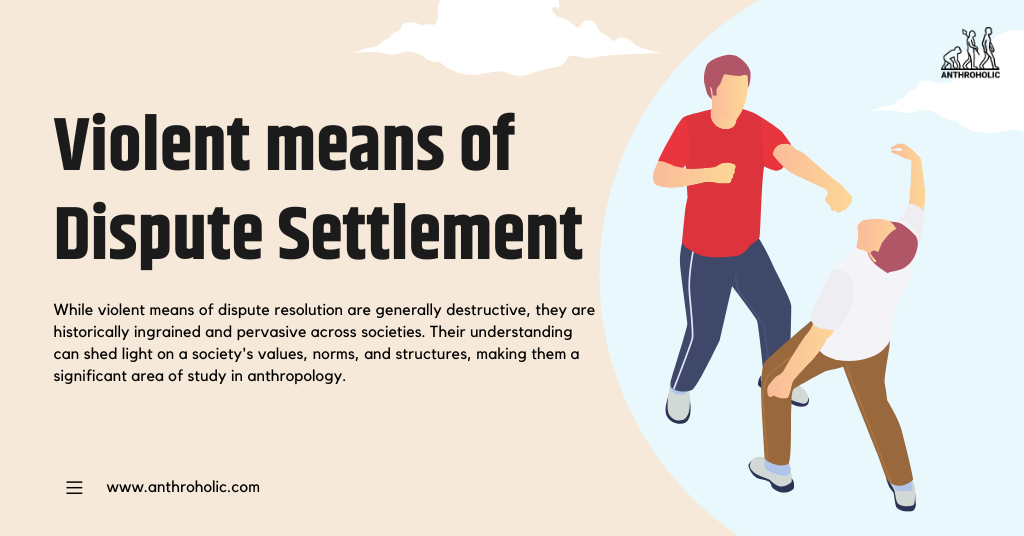
While violent means of dispute resolution are generally destructive, they are historically ingrained and pervasive across societies. Their understanding can shed light on a society's values, norms, and structures, making them a significant area of study in anthropology.

Violent means of Dispute Settlement

While violent means of dispute resolution are generally destructive, they are historically ingrained and pervasive across societies. Their understanding can shed light on a society's values, norms, and structures, making them a significant area of study in anthropology.

Tribal communities around the globe exhibit unique social, cultural, and economic patterns that set them apart from mainstream societies. They possess a distinctive lifestyle characterized by rich traditions, belief systems, societal structures, and economic practices, deeply rooted in their intimate relationship with the environment.

Features of Tribal Life

Tribal communities around the globe exhibit unique social, cultural, and economic patterns that set them apart from mainstream societies. They possess a distinctive lifestyle characterized by rich traditions, belief systems, societal structures, and economic practices, deeply rooted in their intimate relationship with the environment.

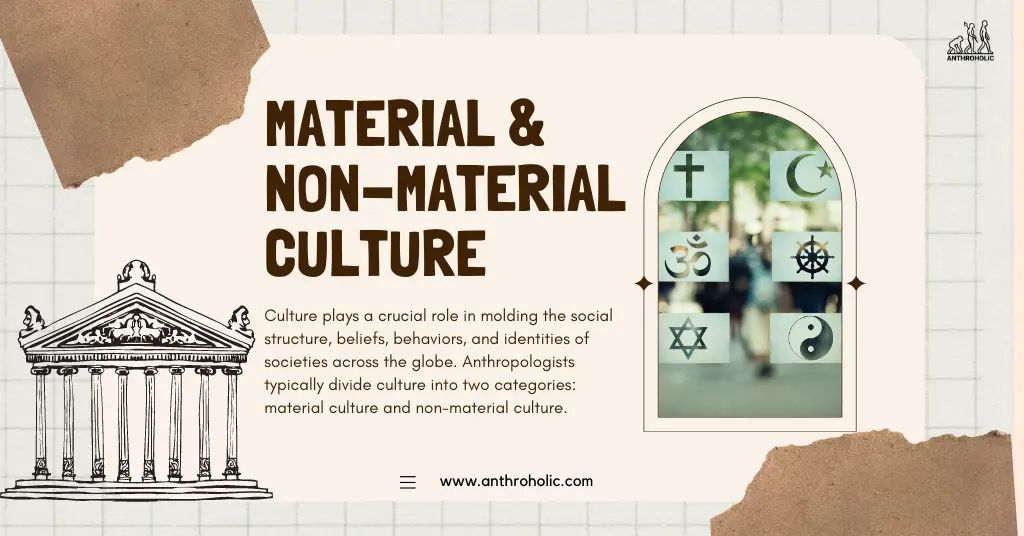
Culture plays a crucial role in molding the social structure, beliefs, behaviors, and identities of societies across the globe. Anthropologists typically divide culture into two categories: material culture and non-material culture.

Material and Non-material Culture

Culture plays a crucial role in molding the social structure, beliefs, behaviors, and identities of societies across the globe. Anthropologists typically divide culture into two categories: material culture and non-material culture.

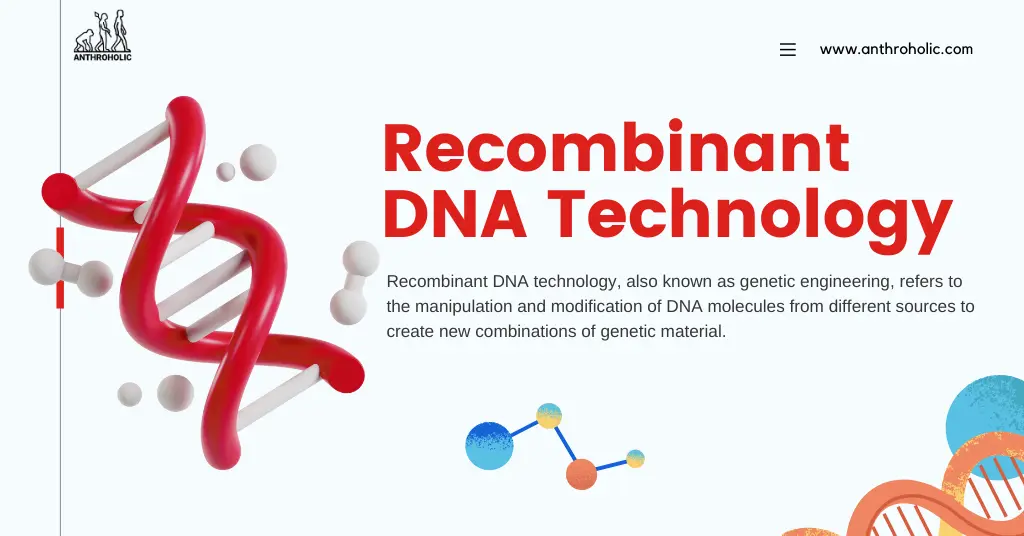
Recombinant DNA technology, also known as genetic engineering, refers to the manipulation and modification of DNA molecules from different sources to create new combinations of genetic material.

Recombinant DNA Technology

Recombinant DNA technology, also known as genetic engineering, refers to the manipulation and modification of DNA molecules from different sources to create new combinations of genetic material.

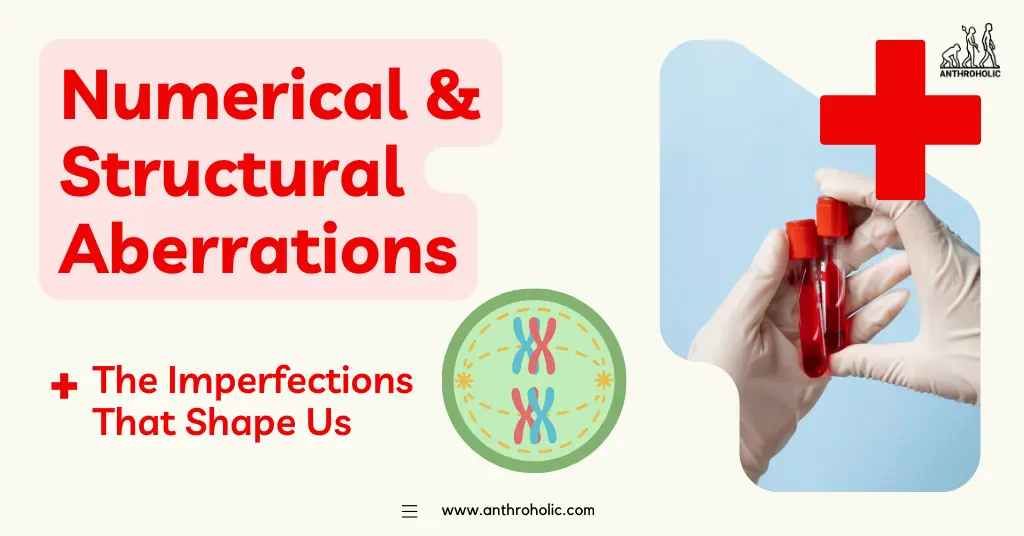
While the standard blueprint of human genetic material consists of 46 chromosomes, sometimes, nature deviates from this pattern. These deviations, referred to as chromosomal aberrations or disorders, manifest in two primary forms: numerical and structural aberrations.

Numerical and Structural Aberrations

While the standard blueprint of human genetic material consists of 46 chromosomes, sometimes, nature deviates from this pattern. These deviations, referred to as chromosomal aberrations or disorders, manifest in two primary forms: numerical and structural aberrations.

The concept of a ‘group’ serves as a cornerstone in social anthropology, providing essential insights into the structures and dynamics that define human social interaction.

Group

The concept of a ‘group’ serves as a cornerstone in social anthropology, providing essential insights into the structures and dynamics that define human social interaction.

Cultural traits can be defined as individual units of culture, such as the language spoken, clothing worn, religious beliefs, or customs practiced. These traits can be tangible, like artifacts and symbols, or intangible, like belief systems and traditions.

Cultural trait

Cultural traits can be defined as individual units of culture, such as the language spoken, clothing worn, religious beliefs, or customs practiced. These traits can be tangible, like artifacts and symbols, or intangible, like belief systems and traditions.

The symbiotic relationship between crime and society has piqued the interest of scholars, particularly those of social-cultural anthropology. The discipline, grounded in understanding human behavior, culture, and societal norms, provides a unique lens to unpack the complexities and nuances of crime.

Crime and Society

The symbiotic relationship between crime and society has piqued the interest of scholars, particularly those of social-cultural anthropology. The discipline, grounded in understanding human behavior, culture, and societal norms, provides a unique lens to unpack the complexities and nuances of crime.

Criminal law is an integral part of the justice system, responsible for regulating social conduct, deterring criminal activities, and maintaining public order. It sets out the parameters of lawful and unlawful behavior, stipulating punishments for transgressions.

Criminal Law

Criminal law is an integral part of the justice system, responsible for regulating social conduct, deterring criminal activities, and maintaining public order. It sets out the parameters of lawful and unlawful behavior, stipulating punishments for transgressions

Forensic science is a multidisciplinary approach that uses various scientific disciplines to collect, preserve, and analyze evidence from a crime scene.

Forensic Science

Forensic science is a multidisciplinary approach that uses various scientific disciplines to collect, preserve, and analyze evidence from a crime scene.