AI Answer Evaluation Platform Live Now. Try Free Answer Evaluation Now
Counter Culture
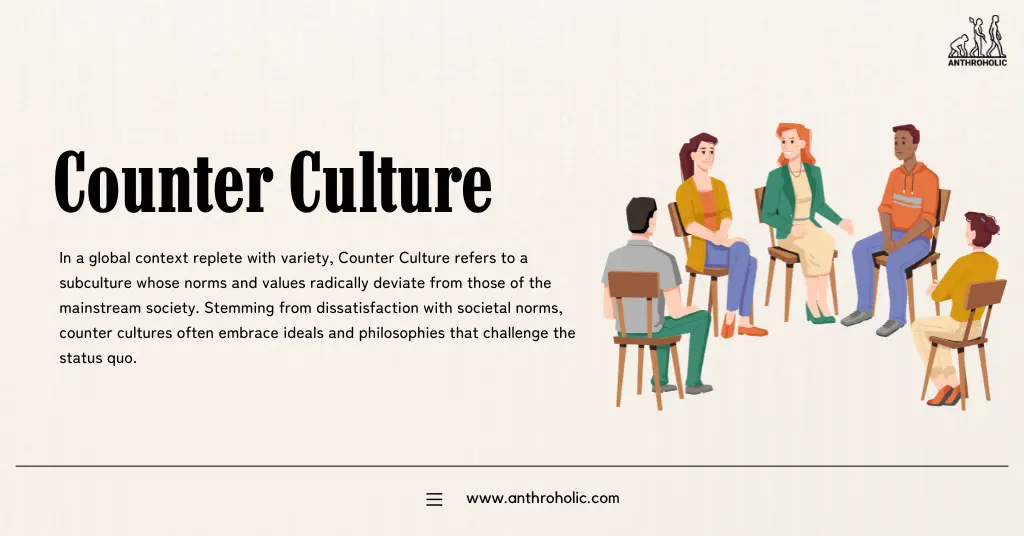
In a global context replete with variety, Counter Culture refers to a subculture whose norms and values radically deviate from those of the mainstream society.
+91-7303290503, +91-9557169661 | MON to SUN 10:00 AM - 6:00 PM

In a global context replete with variety, Counter Culture refers to a subculture whose norms and values radically deviate from those of the mainstream society.

Magic denotes a set of beliefs and practices designed to manipulate the supernatural or unknown forces to bring about desired results. However, this definition is an oversimplification of a complex, multi-dimensional phenomenon.

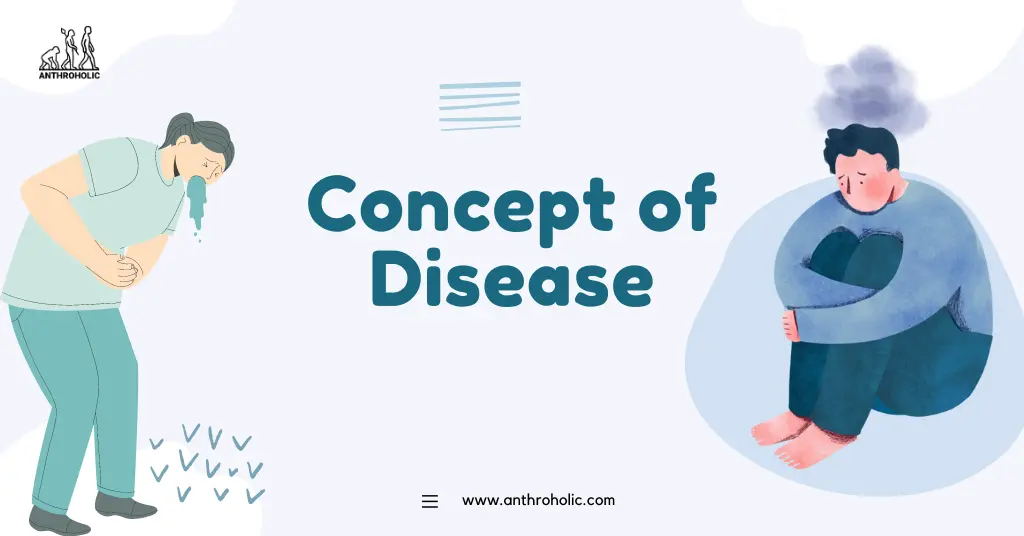
The concept of disease transcends mere physiological dysfunction and delves into the realm of cultural interpretations and social constructions.

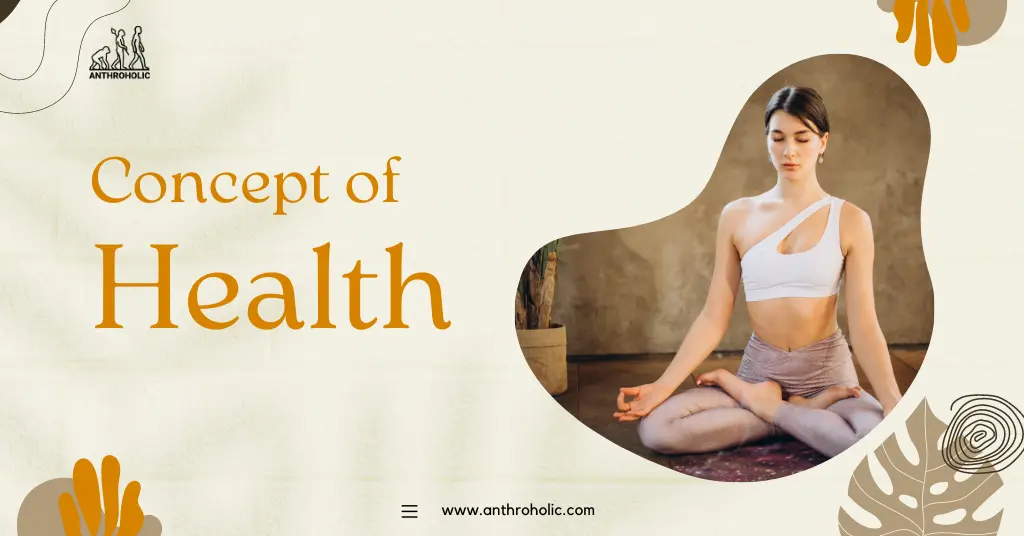
The concept of health has evolved and diversified throughout history, adapting to various cultural, technological, and social contexts. By examining different cultures, societies, and historical periods, we can arrive at a more nuanced understanding of what it means to be "healthy."

Cultural change refers to the transformation, modification, or shifts in the cultural patterns of a society over time. This change might manifest in beliefs, values, norms, symbols, and artifacts, among others .

An archaeological site, by definition, is a location where remnants of past human activity are preserved. These sites offer a tangible connection to our human history, providing invaluable insights into various civilizations' lifestyles, traditions, and technological advancements.

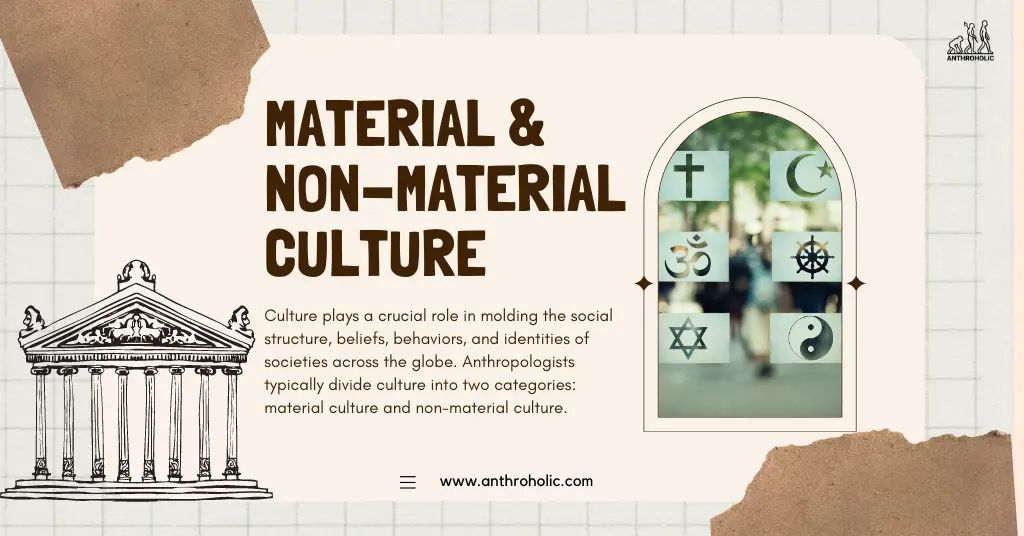
Culture plays a crucial role in molding the social structure, beliefs, behaviors, and identities of societies across the globe. Anthropologists typically divide culture into two categories: material culture and non-material culture.

The concept of a ‘group’ serves as a cornerstone in social anthropology, providing essential insights into the structures and dynamics that define human social interaction.

Cultural traits can be defined as individual units of culture, such as the language spoken, clothing worn, religious beliefs, or customs practiced. These traits can be tangible, like artifacts and symbols, or intangible, like belief systems and traditions.

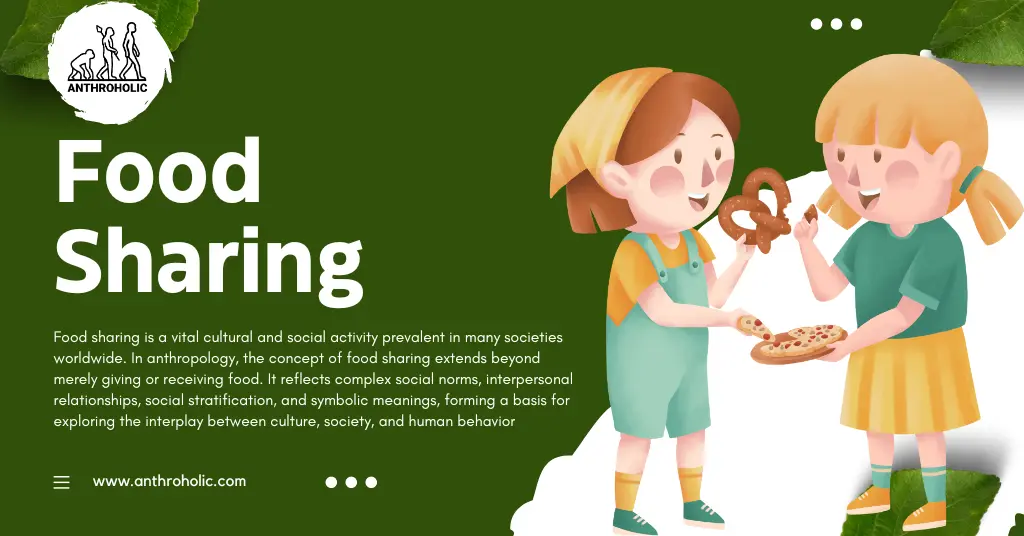
Food sharing is a vital cultural and social activity prevalent in many societies worldwide. In anthropology, the concept of food sharing extends beyond merely giving or receiving food.

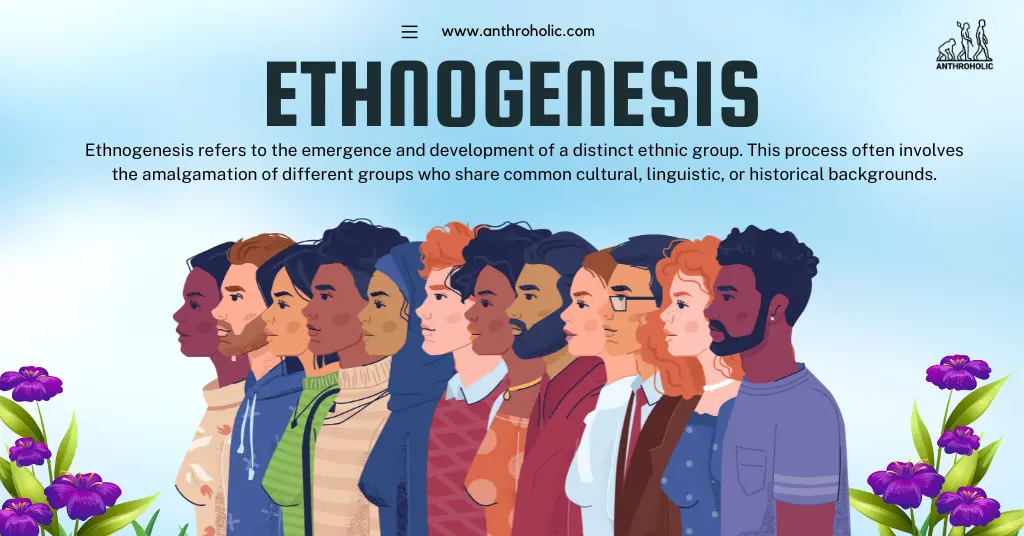
Ethnogenesis refers to the emergence and development of a distinct ethnic group. This process often involves the amalgamation of different groups who share common cultural, linguistic, or historical backgrounds.

A social group is composed of two or more people who interact and identify with each other and share a common objective or purpose. This interaction and shared identification form the basis of society, ranging from small groups like families to larger ones like communities, religious groups, or entire societies.