AI Answer Evaluation Platform Live Now. Try Free Answer Evaluation Now
The Digital Shift in Anthropological Linguistics: How Code, Cloud, and Software Are Restructuring Human Interaction
In everyday use, human communication is not a set of words and rules, but is dynamic and constantly changing, evolving as the structures of the societies that use it evolve. From a linguistic anthropological perspective, language is the main tool used by human groups to create social realities, to organize power relations, and to pass on cultural knowledge to the next generation. Communities have always been reconfigured at every change in communication over the history of humanity, whether from the phonetic alphabet to the printing press.
In the age that we live in, the most rapid communicative evolution in human history is taking place, unleashed by an absolute dominance of decentralized internet infrastructure, algorithmic message delivery, and programmable identity layers. In such a connected world, communication devices have evolved from tangible hardware to seamless software arrangements. In the future, global citizens and digital operators are breaking out of the traditional geographical barriers, deploying new virtual communication layers such as eSIM Plus and ensuring a secure, region-independent linguistic and operational presence on regional networks.
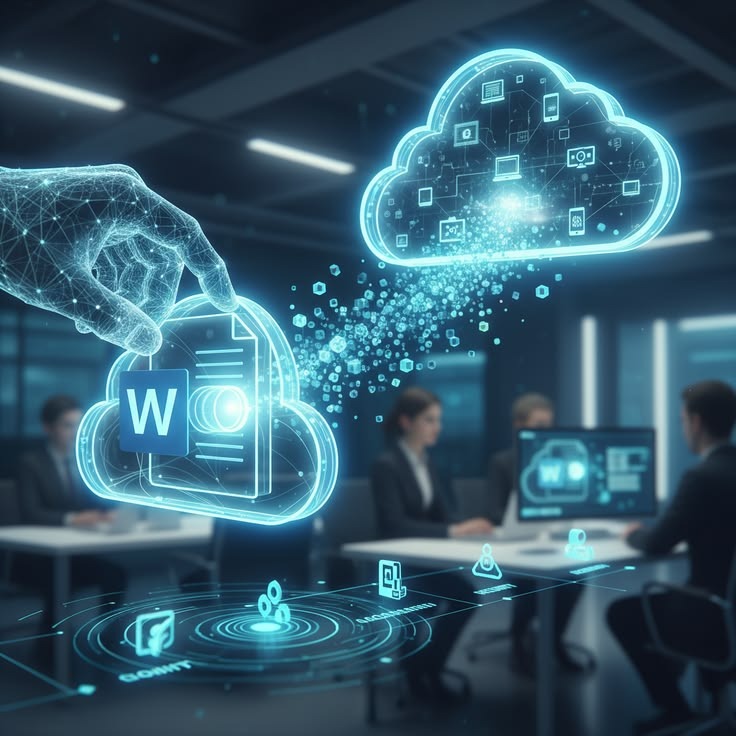
On an anthropological level, the change represents a significant break from the space constraints of human speech communities. For thousands of years, dialects, cultural idioms, and communication patterns have been shaped by geographical characteristics or physical nearness. A language community was limited by the range of human voice or letter. The spatial realities have been completely broken down by modern communication networks and replaced by a global digital workspace in which interaction takes place in real time across various geographical and time zones.
The contemporary person no longer lives inside a fragmented culture; instead, he or she exists on a vast mesh of overlapping, software-mediated digital tribes. It moves the focus of linguistic anthropology from traditional discourse on spoken dialects to a study of the ways in which identity, community, and social meaning are constructed in code-driven, cloud-native channels of communication.
The Historical Continuum: from Orality to the Typographic Mind
In order to comprehend the shift in human communication that has been wrought by the modern software platforms, it is important to first trace the big historical shifts that paved the way for our current digital world.
The Oral Architecture of Memory
Human communication was oral, immediate, and contextual before the writing systems were invented. In purely oral cultures, there was a need to construct what we can now describe as formulas of knowledge that were rhythmic, formulaic, and very context-bound in order to maintain the process of survival and to transmit knowledge from one generation to the next. It established a certain type of thinking, the oral mind, in which thought was directly connected to real-life situations, was communal, and very interactive. The meaning was not in abstract definitions, but in the actual use of speech within a physically located group.
The Chirographic and Typographic Revolutions
Writing (chirography) changed it, and later the invention of the printing press (typography). Writing separated the human word from the physical living voice and created a visual object, a physical object, a silent object that occupies physical space on a page. The separation that resulted from this allowed for the development of linear logic, individual reflection, and abstract, systematic analysis. Structured argument, permanent text, and clear separation between text and audience were values of the typographic mind, the defining attribute of Western industrial society. Language was used for one’s own intellectual output, and these ideas were written on tangible paper and then shared via tangible distribution systems.
The Digital Restructuring of Language: Software as an Intermediary
The digital revolution is not just a faster means of conveying written content; it’s a bigger cognitive shift that embodies a mix of oral and written communication cultures. Modern digital communication is secondary orality, in that it is the highly immediate and interactive, informal nature of traditional orality, but it is preserved, edited, and disseminated around the world via sophisticated digital text infrastructure.
The Emergence of Algorithmic Syntaxes
Today, with modern communication, human language is no longer solely understood by other human minds. Every text message, email, or community update we send out goes through a stack of software algorithms, predictive text engines, and content filtering networks. The brand-new linguistic variations the machine-mediated delivery has brought forth are not to be taken lightly. Natural language shorthand, universally understood emojis, and algorithmic trends shape our vocabulary. Our software platforms shape our conversational style, suggesting words to us when we type and setting strict character limits that change the flow of human expression.
The Demise of Geographic Dialects
Geographic isolation provided opportunities for the gradual evolution of distinctive regional accents and local slang. Geographic isolation enabled a gradual formation of distinctive regional accents and local slang. The current situation is that there are functional global dialects in digital networks. In Bengaluru, a software developer, in San Francisco, a startup founder, and in London, a digital marketer, all have the very same professional vocabulary, cite the same digital formats, and interact in the same interface behaviors. Proximity is no longer defined in kilometers, but in network latency and platform access.
The Virtualization of Trust and Professional Identity
Communication is the key to trust for modern digital enterprises, remote agencies, and independent creators. If you’re not shaking hands with people asynchronously communicating via messaging dashboards, your digital communication style is your professional identity. Written text, platform responsiveness, and software interface coordination determine your business’s worth. Since everything is captured digitally, it’s now more important than ever to have a clear, professional, and authentic communication profile for long-term career success.
The Cybersecurity of Communication: Protecting the Identity Layer
The need to protect digital communication channels has become one of the most pressing cybersecurity issues today, as identity is becoming more and more intertwined with our digital profiles. Your phone number and email address serve as a universal passport in a world where access to corporate servers, financial registries, and personal networks is secured through digital communication endpoints.
Bad guys know it and are often exploiting the communication layer with high-end phishing and credential harvesting attacks, as well as through social engineering attacks. Your company’s communication backbone, if not fully protected, is vulnerable and leaves your professional image and reputation at high risk. Defending your digital existence demands a zero-trust strategy to identity management, with your main personal data networks staying totally detached from public-facing digital systems and external monitoring.
Operational Strategies for Modern Communication Management
Modern operators need to implement a structured identity and communication management solution to effectively and securely manage this very fluid, software-driven language environment:
- Create context-driven channels. Organize your digital interactions by communication channels. Have separate isolated accounts for core business, creative collaboration, and basic external registrations to remove cognitive fatigue and context-switching costs.
- Implement zero-trust verification postures. Secure digital identities by combining each communication node with hardware-backed multifactor authentication (MFA), application-level biometric locks, and encrypted data routing protocols.
- Adopt asynchronous collaboration tools. Rethink working groups to promote and support a more structured approach to asynchronous communication instead of constant synchronous video meetings, enabling deep focus, linear thinking, and more thoughtful decision-making across distributed time zones.
Human communication has grown from a physical oral tradition to a very flexible, software-based digital network, demonstrating our amazing technical adaptability. The future of AI integration, automated language processing, and virtual reality environments further reinforces how meaning, relationships, and business interactions are evolving.
Outdated and place-dependent communication practices create an unmanageable operational inefficiency and fragility in today’s digital processes. Through tight control of your communication layer, sophisticated virtual telecom networks, and strict identity isolation, you can go beyond regional boundaries, protect your digital footprints, and make everyday interaction a highly secure, productive, and worldwide business asset.

Related Posts