AI Answer Evaluation Platform Live Now. Try Free Answer Evaluation Now
What do Cultural Anthropologists Do?
What Is Cultural Anthropology?
People often hear the term cultural anthropology and wonder what it really involves. At its core, the field asks one main question: What is cultural anthropology and why is it important for understanding people? Cultural anthropology studies how humans create meaning, build relationships, form communities, and organize everyday life. It looks at beliefs, values, symbols, and interactions to understand what shapes human experiences across different settings.
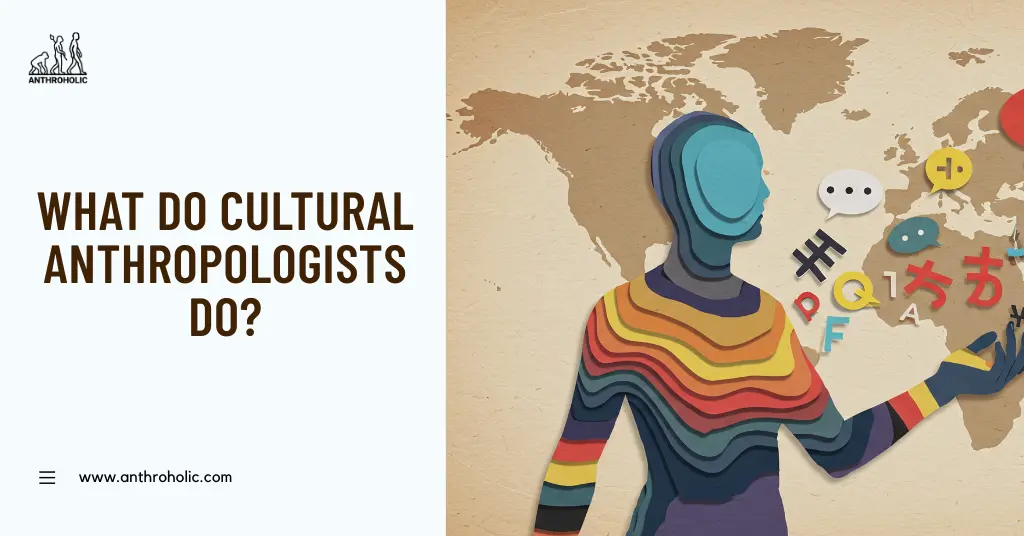
This field examines how people think, act, create, and confront challenges. It looks at family structures, food habits, rituals, identity, communication, and the ways society influences behavior. This makes culture in anthropology foundational to understanding human life.
Cultural Anthropology Meaning and Why It Matters
Understanding the cultural anthropology meaning begins with the idea that people use shared symbols and practices to make sense of life. The cultural anthropology definition includes all behaviors, beliefs, rules, and expressions that groups develop and pass along.
Students who study this subject often work with detailed data or field observations, which can be time-consuming. Finding balance during busy weeks can be easier with academic tools such as DoMyEssay, which supports students who need structured help. Here’s the link placed naturally as requested: DoMyEssay.
Cultural anthropologists view culture not as one fixed thing, but as a flexible, changing set of patterns shaped by social forces, history, and daily interactions. This makes the definition of culture anthropology a starting point for understanding how groups create meaning and how people adapt to shifting conditions.
Key elements of culture in anthropology include:
- Beliefs and values
- Rituals and behavior patterns
- Communication styles
- Shared rules
- Economic routines
- Family structures
- Ideas about identity and belonging
These elements show how dynamic and meaningful culture is in everyday life.
What Do Cultural Anthropologists Do?
If you’ve wondered “what is a cultural anthropologist and what do they actually do?”, their work spans close observation, direct involvement, and long-term field study. Cultural anthropologists spend extended periods in communities to understand life from the inside.
Common responsibilities include:
- Interviewing people in different settings
- Observing daily behavior
- Keeping field notes and recordings
- Documenting rituals, routines, and relationships
- Learning local languages
- Creating maps of social or communication networks
- Participating in everyday activities
These tasks help researchers understand how meaning is created and how people shape or respond to social expectations.
How Cultural Anthropologists Study Human Life
Cultural anthropology relies on several central ideas that make the field unique.
1. Culture
Culture includes symbols, shared expectations, meanings, and behavior. It shapes how people understand the world and how they connect with others. This concept goes beyond art or food, it includes everything that influences daily interactions.
2. Holism
Holism means studying situations by considering multiple factors at once. Culture, identity, history, power, and relationships all influence behavior. Instead of isolating events, anthropologists look at how these forces connect.
3. Cultural Relativism
Cultural relativism encourages researchers to understand actions and beliefs from the viewpoint of the people who live them. It focuses on context rather than judgment, helping anthropologists analyze practices through local meaning.
4. Comparison
Anthropologists compare groups to understand how different communities shape their lives. The purpose is not to rank or judge cultures but to see how people solve problems, create meaning, and respond to their surroundings.
Ethnography: A Key Method in Cultural Anthropology
Ethnography is a core research approach. It involves living alongside the people being studied for months or even years. The goal is to gather detailed information based on real interactions rather than distant observation.
Ethnographic work includes:
- Field notes
- Interviews
- Maps of family or power relationships
- Stories and narratives
- Documentation of rituals and events
Ethnography strengthens the ability to understand small details that reveal how culture operates.
Participant Observation and Long-Term Study
Participant observation is a defining approach in cultural anthropology. Researchers live, work, eat, celebrate, and sometimes mourn alongside the people they study. They participate directly in activities while also observing them.
Examples of participant tasks may include preparing food with families, working in fields, joining community gatherings, or helping with childcare. This method helps anthropologists understand subtle cultural messages that might be overlooked in short visits.
Long-term involvement also helps researchers see how practices shift over time, from seasonal routines to changes triggered by technology or major life events.
How Cultural Anthropology Helps Us Understand Modern Life
Cultural anthropology provides insights into everyday issues and global changes. It explores how people respond to major shifts in technology, health, climate, migration, and identity. Researchers analyze how communities adapt, how inequality develops, and how people build meaning through traditions and innovations.
Examples of topics cultural anthropologists examine:
- The effect of social media on relationships
- Identity formation across generations
- Mental health practices in different societies
- Food choices and their cultural meanings
- Community responses to environmental stress
- Family change and childrearing practices
- Shifts in beliefs through technology or migration
These topics help explain how people make sense of the challenges around them.
Table: Core Themes in Cultural Anthropology
| Theme | Focus |
| Culture | Shared meanings, values, practices |
| Holism | Combined influences shaping behavior |
| Relativism | Understanding viewpoints from within a culture |
| Comparison | Identifying differences across communities |
| Fieldwork | Long-term study in daily life settings |
| Ethnography | Notes, interviews, maps, documentation |
| Social Change | How groups adapt over time |
Career Paths in Cultural Anthropology
Many students ask where a culture anthropology background can lead. The field prepares graduates for work in both academic and applied settings. Because the training strengthens communication, interpretation, and critical thinking, it supports a wide range of careers.
Common paths include:
- Public health
- Cultural heritage and museums
- Journalism and writing
- Social services
- Humanitarian work
- Diversity and inclusion roles
- User research and UX design
- Marketing and communication
- Government or nonprofit research
- Community program development
These paths highlight the usefulness of skills in observation, analysis, and cultural insight.
Is Cultural Anthropology Useful?
Cultural anthropology helps explain why people behave differently across societies, how groups adapt to change, and how cultural meaning shapes decisions. It helps clarify identity, ritual, power, belief, and social relationships. Students and professionals use this knowledge to better understand the complexity of human life, making cultural anthropology a valuable field for exploring how people live and interpret their worlds.

Related Posts