AI Answer Evaluation Platform Live Now. Try Free Answer Evaluation Now
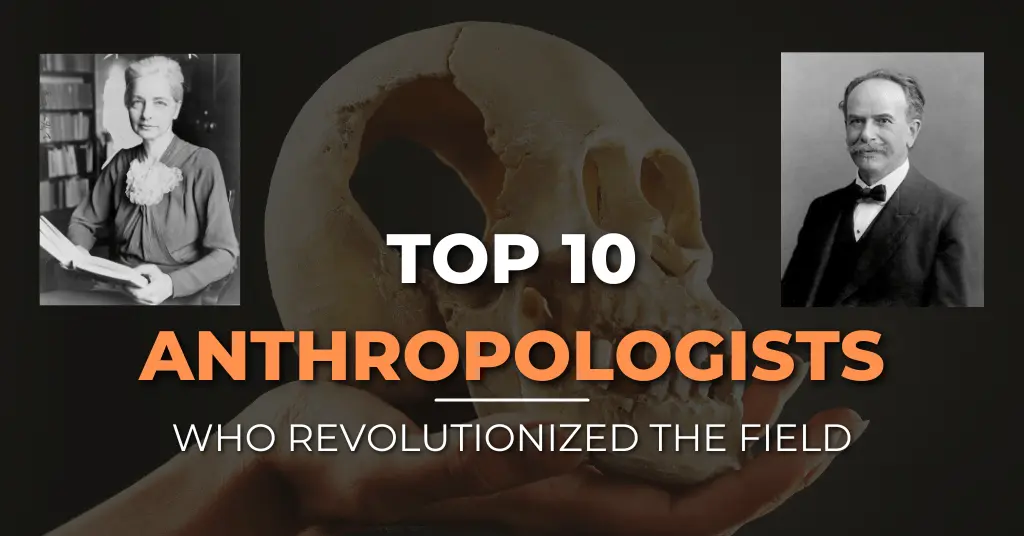
Top 10 Anthropologists Who Revolutionized the Field

In this article, we will be discussing the top 10 anthropologists who have revolutionized the field.
Anthropology is the scientific study of humanity, including human biology, culture, and society. This broad field encompasses several sub-disciplines, including cultural anthropology, linguistic anthropology, and archaeology. From exploring the diversity of human cultures to understanding the biological and evolutionary foundations of our species, anthropology provides a comprehensive understanding of what it means to be human.
In this article, we will be discussing the top 10 anthropologists who have revolutionized the field.
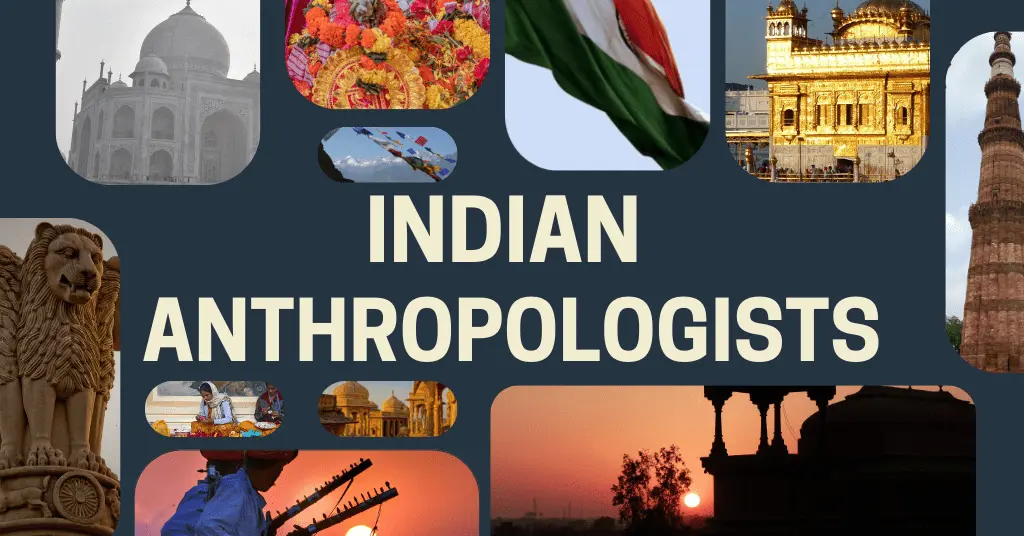
In this article, we present an exhaustive list of Indian anthropologists, including their birth and death years, areas of specialization, and notable works.
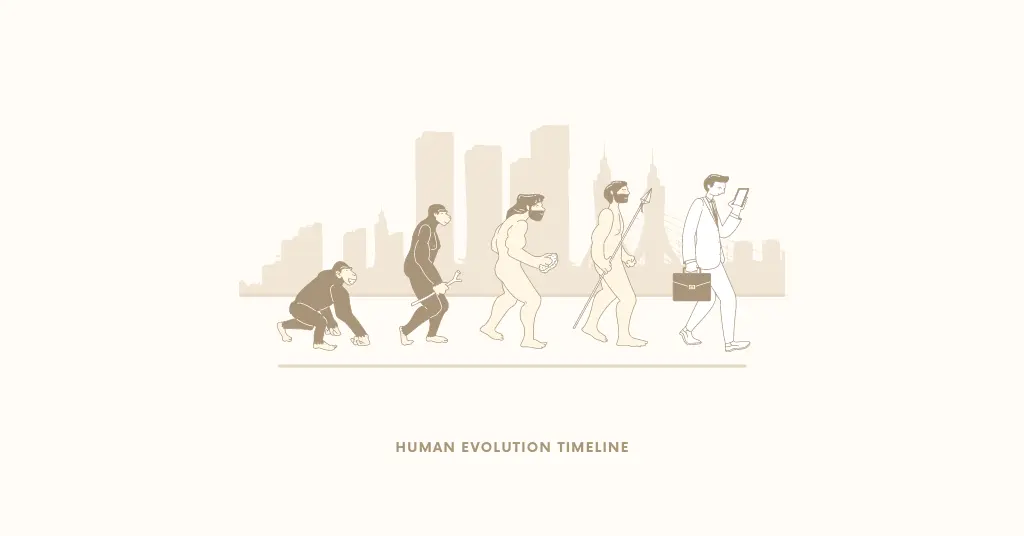
The human evolution timeline from 33,100 years ago marks a pivotal moment in the history of our species. At this time, anatomically modern humans
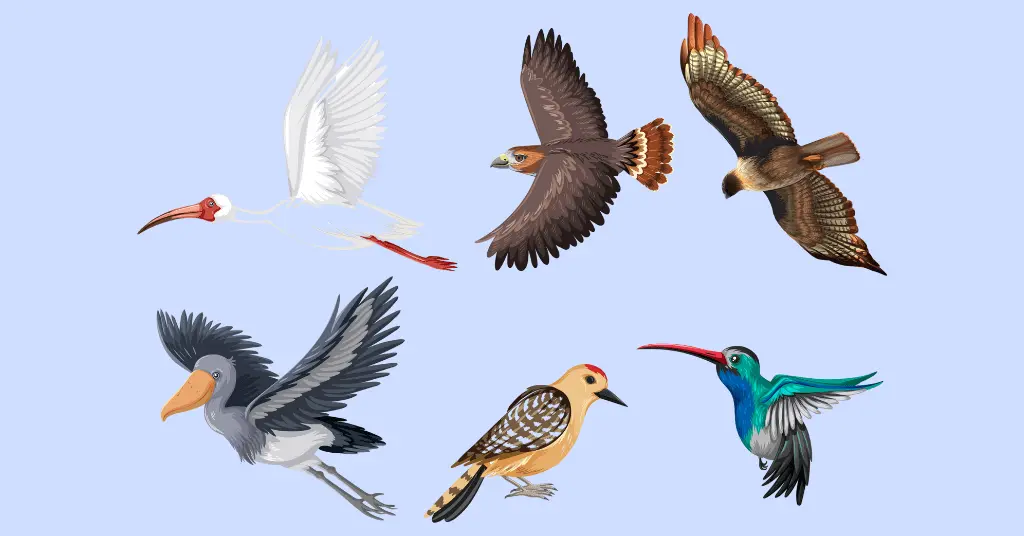
Speciation refers to the process by which new species arise from existing ones. It is a fundamental concept in evolutionary biology that explains the diversity of life on our planet.

Arranged marriages in India are so common that there is a term for an unarranged marriage- a “love marriage” .

In anthropology, analogy and homology can be used to compare and understand different aspects of human culture and biology.

In this article, we will be exploring the top 10 anthropology universities in the world, providing an in-depth guide to help you make the right choice.

Monozygotic twins, or identical twins, are siblings who are formed from a single fertilized egg that divides into two identical embryos during early development.

Corporate Anthropology is the application of anthropological theories, methods, and tools in the context of the business world.
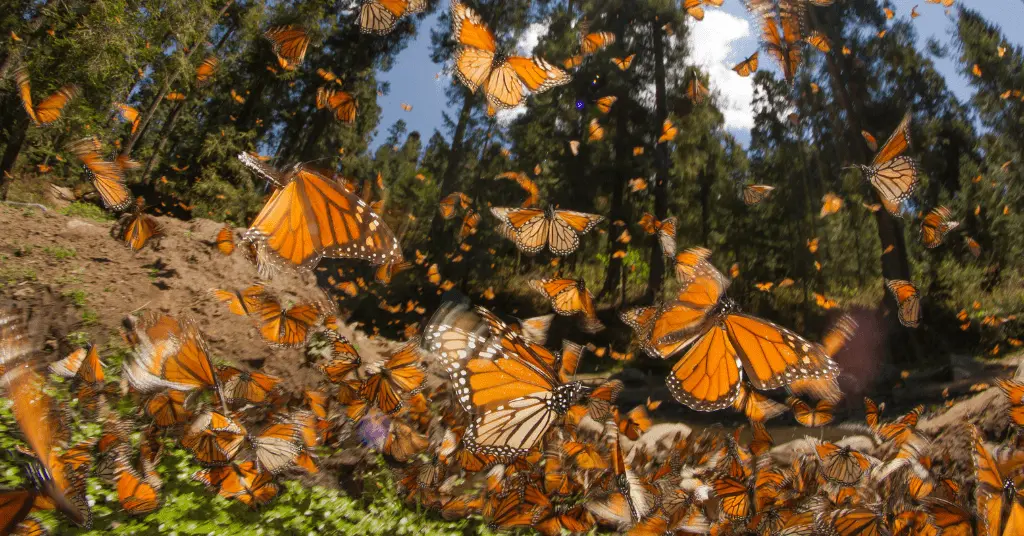
Adaptive radiation is a biological phenomenon in which a single ancestral species rapidly diversifies into multiple new species, each adapted to a specific ecological niche or habitat.

DNA is also known as the biological blueprint of life while DNA typing is also known by various names such as DNA Profiling, genotyping or identity testing.

Medieval archaeology is the study of the material culture and societal changes during the period between the 5th and 15th centuries AD in Europe. This field of study


