AI Answer Evaluation Platform Live Now. Try Free Answer Evaluation Now

How Constant Connection Is Changing What It Means to Be Human
You live in a world where connection never stops. Your phone stays close, and you move through the day with alerts, chats, and feeds shaping every spare moment. This constant access makes life feel fast and crowded. It also determines how you see yourself and others.
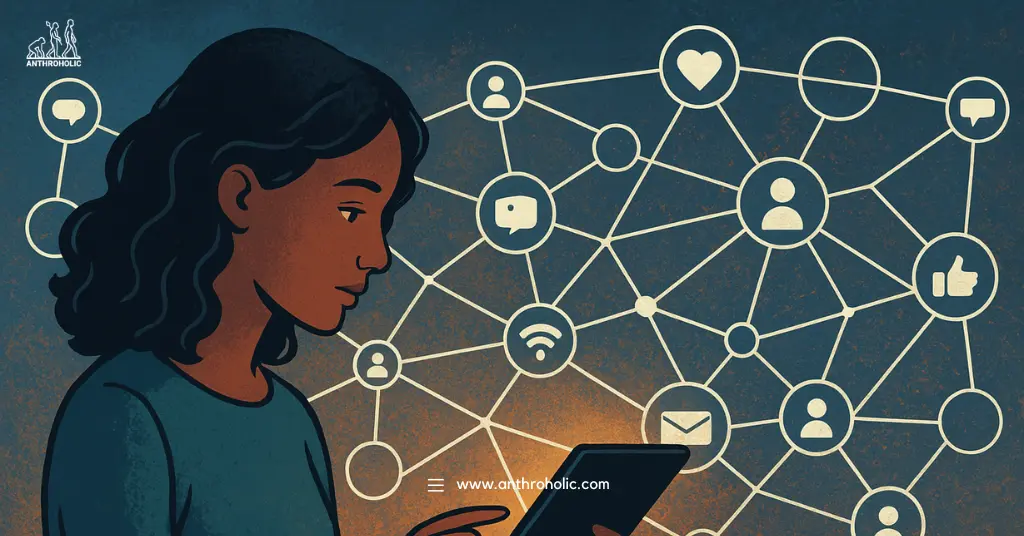
Many people assume the problem is screen time alone. But the real shift runs deeper. Your ability to focus, communicate, and form relationships changes when your attention is constantly being pulled elsewhere. This shift is now an integral part of daily life, shaping your understanding of what it means to be human in a digital world.
The Paradox of Presence in a Distracted World
You may feel connected when you stay active online, but your attention drifts quickly. You can sit beside someone and still drift into alerts or feeds. This split focus affects how present you feel with others. The Harvard Study of Adult Development shows that relationship quality predicts long-term health and happiness.
Warm and steady bonds support emotional balance and physical well-being by reducing stress. People who build social and emotional skills early in life form stronger relationships later. These benefits depend on consistent attention, which becomes harder to give when digital noise fills most quiet moments.
Loneliness is rising even as online activity grows. Many people feel pressure to stay visible or respond fast. This pressure increases concerns about how digital habits influence mental health. You see this in cases like the Instagram lawsuit, which raises concerns about the emotional cost of online performance.
Several states claim the platform uses features that may fuel anxiety or depression in young users. TruLaw explains that these design choices may encourage compulsive use. These issues point to a deeper cultural shift. People are discovering how digital patterns shape their well-being.
This raises a larger concern about how much presence you lose to screens and how that loss reshapes daily relationships. It also leads to a key question: what happens to human connection when most conversations compete with screens?
Identity, Performance, and the Online Self
The online world encourages you to present a version of yourself. You choose what to post, how to express emotion, and how to react to others. Over time, this becomes a form of performance. You shape an identity for public view, even when it does not match how you feel offline.
New research on teens shows a similar pattern. A long-term study published in the Computers in Human Behavior Journal tracked between 606 and 704 participants at each age point. It found that heavier social media use did not weaken social skills for most teens. It showed a slight increase in the time they spent with friends offline.
However, the study concluded that teens with higher social anxiety showed small drops in social skills when their social media use increased. This shift does not make your identity false. It makes it layered. You switch between online and offline identities often, which can create confusion about which version feels most genuine.
When your sense of self depends on likes or reactions, you may also feel pressure to adjust your behavior. This can affect confidence, trust, and your understanding of who you are.
Cultural Rhythms, Relationships, and the Attention Economy
The attention economy shapes your daily habits. This economy depends on how long platforms can keep your focus. Every scroll, story, or alert is designed to pull you back in. This changes how you form and maintain relationships.
According to MIT Technology Review, this drive to stay connected often comes at a cost to real-world interaction. Musician David Byrne noted that the digital economy serves to free us from dealing with other people. This reduction in real contact may lead to less tolerance and understanding of differences in society.
Furthermore, over time, technology changes us until the novelty wears off. The new way of interacting then becomes a permanent habit. As these habits fade, their effects show up differently across age groups. Young people feel this most. Many of them build relationships in digital spaces.
These relationships matter and can be meaningful. But they also involve pressure. You may feel the need to respond fast, stay visible, or maintain a certain online presence. This changes how relationships develop and how trust forms.
Your attention also becomes fragmented. You shift between tasks so often that deeper conversations become harder to maintain. Over time, this affects how you listen and how patient you are in real interactions.
Reclaiming the Human in a Hyper-Connected Age
You cannot remove digital tools from your life. But you can shape how you use them. Reclaiming the human in daily life does not require drastic action. It starts with small shifts in attention.
The SF Chronicle notes that real connection improves when technology supports specific human needs instead of replacing face-to-face contact. Anthropology professor Lisa Messeri explains that meaningful connection grows in small, intentional settings, not in broad and constant digital networks.
These insights remind you to focus on moments that feel grounded and personal. With that in mind, you can set short, device-free windows during your day and pause before checking alerts. You can also focus on one conversation at a time. These small actions build stronger habits and help you feel more grounded and less scattered.
You can also create intentional offline moments with people you care about. Regular walks, shared meals, or brief check-ins make a difference. Giving a few minutes of real presence can rebuild depth that digital habits often reduce. This effort is not about rejecting technology. It is about using it in a way that protects your sense of self.
When you engage with people more directly, you restore something essential. You give yourself space to think, feel, and connect without performance.
People Also Ask
1. How does anthropology classify the study of digital life?
Anthropology studies digital life primarily through cyber anthropology or digital anthropology. This subfield examines how technology, the internet, and virtual worlds impact human culture, rituals, and community formation. It helps us understand digital adaptation and the creation of new global social norms.
2. What is the psychological effect of fragmented attention on human bonding?
Constant context-switching reduces the production of oxytocin, often called the bonding hormone, during personal interactions. When your focus is split between an alert and a conversation, deep empathy is harder to achieve. This makes face-to-face moments feel less emotionally satisfying over time.
3. Can digital technology actually strengthen traditional community bonds?
Yes, when used with apparent intention and focus. Digital tools, like encrypted local chat groups or civic platforms, can efficiently organize real-world actions and meetups. This approach uses the technology for coordination and logistics, strengthening offline community action. It helps you strengthen local social capital instead of replacing it entirely.
Constant connection shapes how you think, feel, and relate to others. It changes your attention and your sense of identity. But it does not remove your need for a real human connection. You can choose to slow down and make space for more direct moments of presence.
These small choices help you stay grounded in a world that moves fast. They remind you that being human is not about staying connected all the time. It is about choosing how you connect and who you become through those connections.

Related Posts