Anthropology

The Iron Age is a critical period in human history that marked significant advances in technology, civilization, and cultural expansion.

Iron Age

The Iron Age is a critical period in human history that marked significant advances in technology, civilization, and cultural expansion. This era, primarily defined by the use of iron as the predominant material for making tools and weapons, ushered in a new epoch of human development.

Culture is more than just art, music, and cuisine—it's an intricate tapestry of shared beliefs, values, and customs that knit communities together. The "Nature of Culture" varies from society to society, evolving and adapting with time and circumstance.

Nature of Culture

Culture is more than just art, music, and cuisine—it's an intricate tapestry of shared beliefs, values, and customs that knit communities together. The "Nature of Culture" varies from society to society, evolving and adapting with time and circumstance.

The journey into the world of rare blood groups takes us back to Bombay, India (now known as Mumbai) in 1952. This is where Dr. Y.M. Bhende discovered a blood group that couldn't be classified into the known ABO system. This blood group, named the 'Bombay Blood Group' or 'hh' in honor of its origin, is one of the rarest in the world.

Bombay Blood Group

The discovery of the Bombay Blood Group has provided fascinating insights into the complexity of human genetics and blood types. While this blood group is extremely rare, those who have it can lead healthy lives by

Understanding human behavior necessitates a nuanced comprehension of both situation and context. The interplay between the two shapes societal interactions and constructs.

Situation and Context

Understanding human behavior necessitates a nuanced comprehension of both situation and context. The interplay between the two shapes societal interactions and constructs.

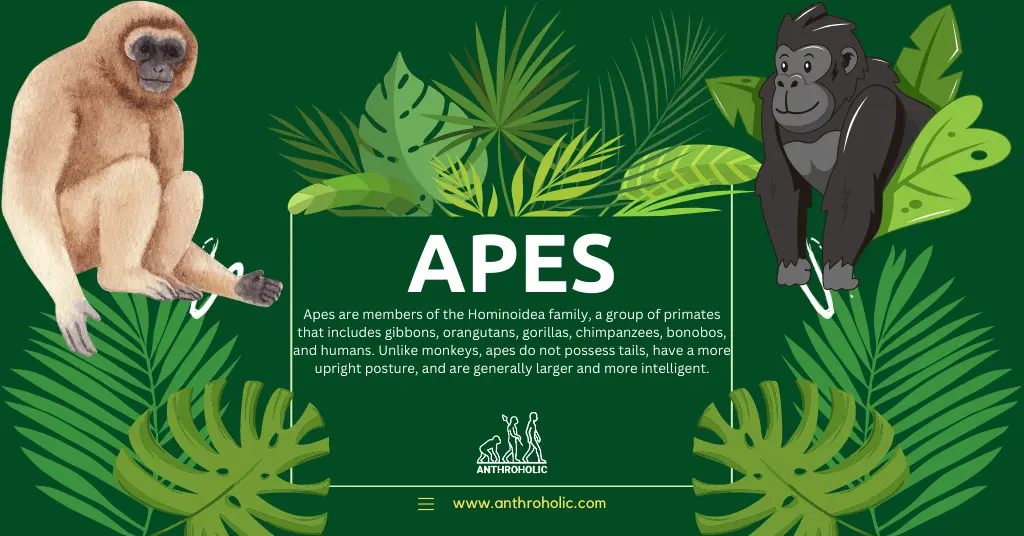
Apes are members of the Hominoidea family, a group of primates that includes gibbons, orangutans, gorillas, chimpanzees, bonobos, and humans. Unlike monkeys, apes do not possess tails, have a more upright posture, and are generally larger and more intelligent.

Apes

Apes are members of the Hominoidea family, a group of primates that includes gibbons, orangutans, gorillas, chimpanzees, bonobos, and humans. Unlike monkeys, apes do not possess tails, have a more upright posture, and are generally larger and more intelligent.

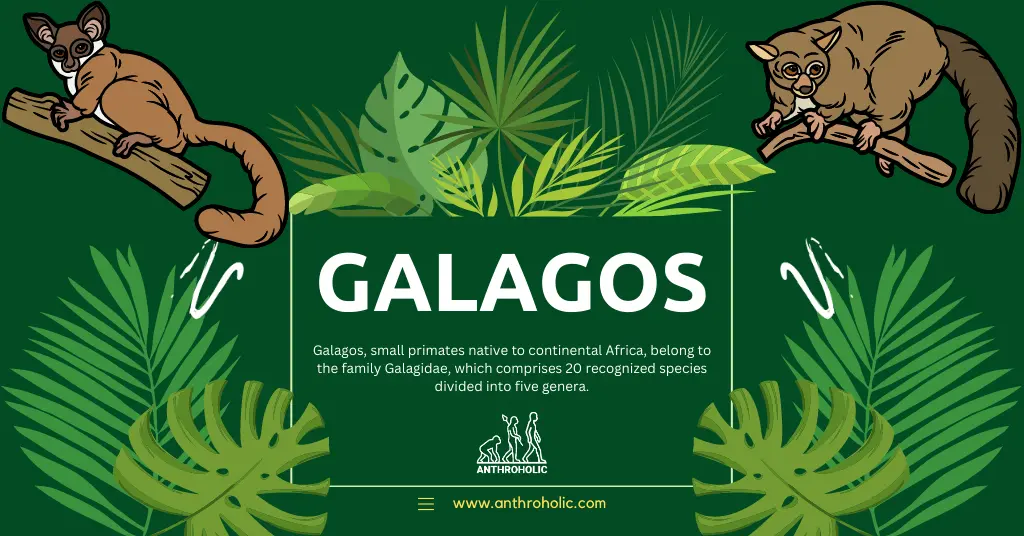
Galagos, small primates native to continental Africa, belong to the family Galagidae, which comprises 20 recognized species divided into five genera.

Galagos

Galagos, small primates native to continental Africa, belong to the family Galagidae, which comprises 20 recognized species divided into five genera.

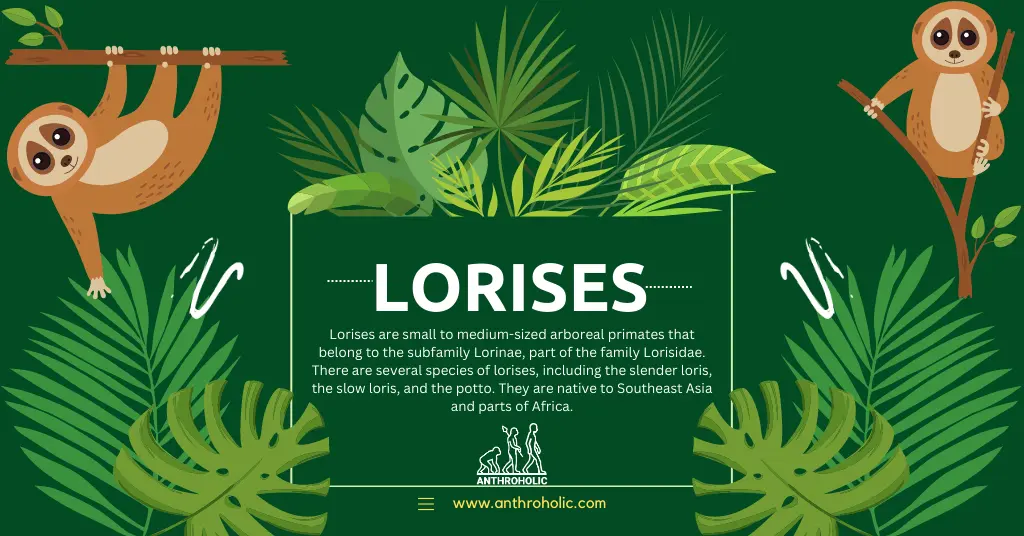
Lorises are small to medium-sized arboreal primates that belong to the subfamily Lorinae, part of the family Lorisidae. There are several species of lorises, including the slender loris, the slow loris, and the potto. They are native to Southeast Asia and parts of Africa.

Lorises

Lorises are small to medium-sized arboreal primates that belong to the subfamily Lorinae, part of the family Lorisidae. There are several species of lorises, including the slender loris, the slow loris, and the potto. They are native to Southeast Asia and parts of Africa.

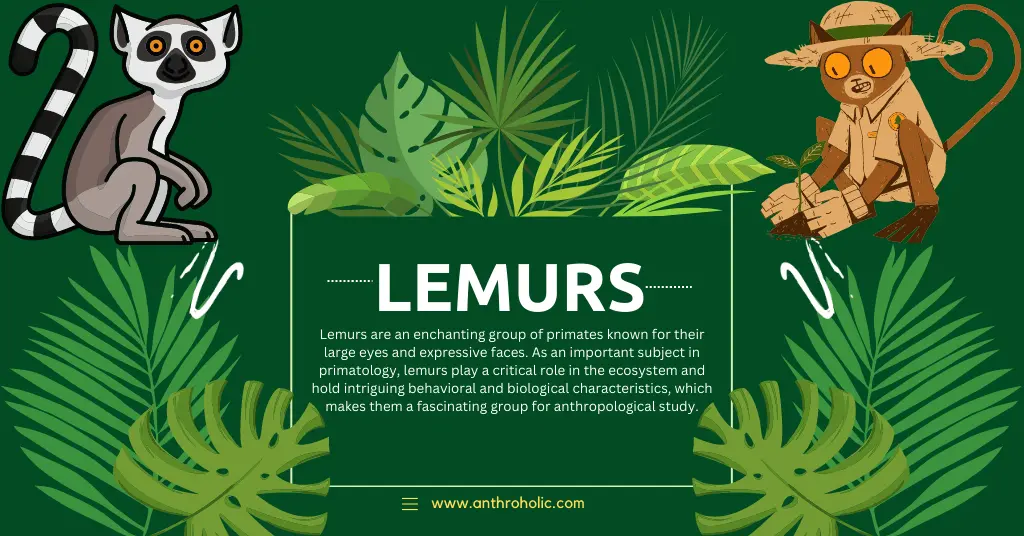
Lemurs are an enchanting group of primates known for their large eyes and expressive faces. As an important subject in primatology, lemurs play a critical role in the ecosystem and hold intriguing behavioral and biological characteristics, which makes them a fascinating group for anthropological study.

Lemurs

Lemurs are an enchanting group of primates known for their large eyes and expressive faces. As an important subject in primatology, lemurs play a critical role in the ecosystem and hold intriguing behavioral and biological characteristics

New World Monkeys, also known as Platyrrhines, encompass a broad array of monkey species found predominantly in Central and South America. They make up an integral part of our understanding of primatology.

New World Monkeys

New World Monkeys, also known as Platyrrhines, encompass a broad array of monkey species found predominantly in Central and South America. They make up an integral part of our understanding of primatology.

Old World monkeys, scientifically known as Cercopithecidae, are a large and diverse family of primates that hail from Africa, Asia, and Europe. They are referred to as "Old World" monkeys because they are native to the parts of the world that are known historically as the "Old World."

Old World Monkeys

Old World monkeys, scientifically known as Cercopithecidae, are a large and diverse family of primates that hail from Africa, Asia, and Europe. They are referred to as "Old World" monkeys because they are native to the parts of the world that are known historically as the "Old World."

Brachiation, or arm-swinging, is a type of arboreal locomotion where an organism moves by swinging from hold to hold using only its arms. This locomotor behavior is dominant in some primates and has captured the interest of anthropologists for its evolutionary implications.

Brachiation

Brachiation, derived from the Latin 'brachium' for arm, is a specific form of locomotion characterized by swinging from one handhold to another. It's commonly associated with certain primates, notably gibbons and siamangs.