AI Answer Evaluation Platform Live Now. Try Free Answer Evaluation Now
Group

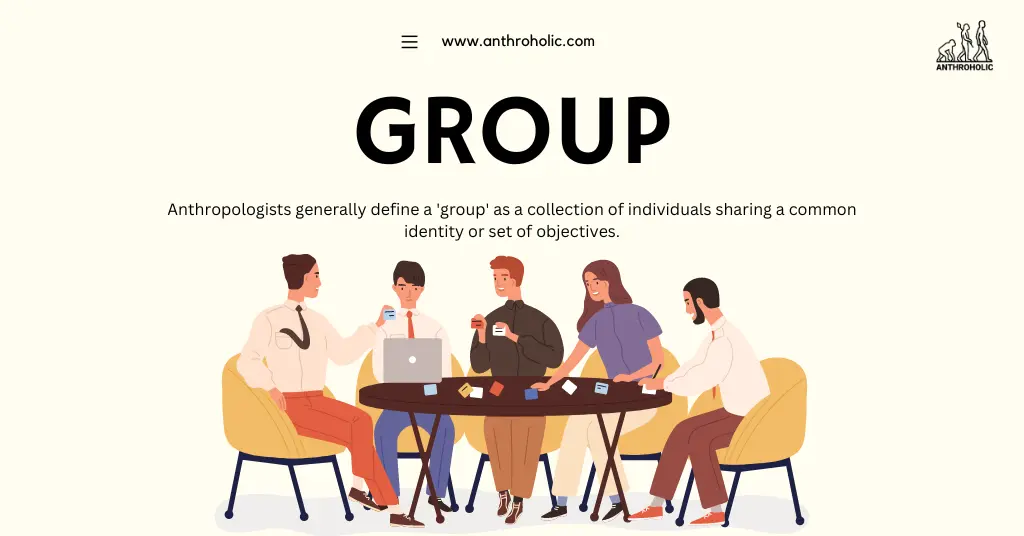
The concept of a ‘group’ serves as a cornerstone in social anthropology, providing essential insights into the structures and dynamics that define human social interaction.
The concept of a ‘group’ serves as a cornerstone in social anthropology, providing essential insights into the structures and dynamics that define human social interaction.
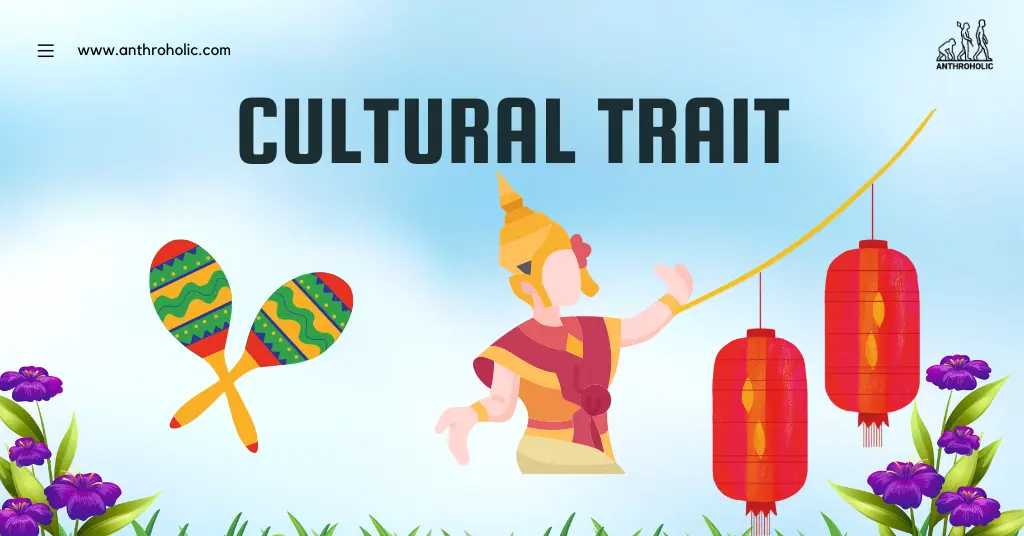
Cultural traits can be defined as individual units of culture, such as the language spoken, clothing worn, religious beliefs, or customs practiced. These traits can be tangible, like artifacts and symbols, or intangible, like belief systems and traditions.
Life Tables, often known as mortality tables, play a critical role in demographic analysis. They offer comprehensive snapshots of mortality rates and survival probabilities for a population at different ages, providing the foundation for analyzing patterns and predicting future trends.
The death rate, also known as mortality rate, is a crucial demographic indicator that provides insights into the general health and wellbeing of a population. It measures the number of deaths annually per 1000 individuals in a specific community or region.
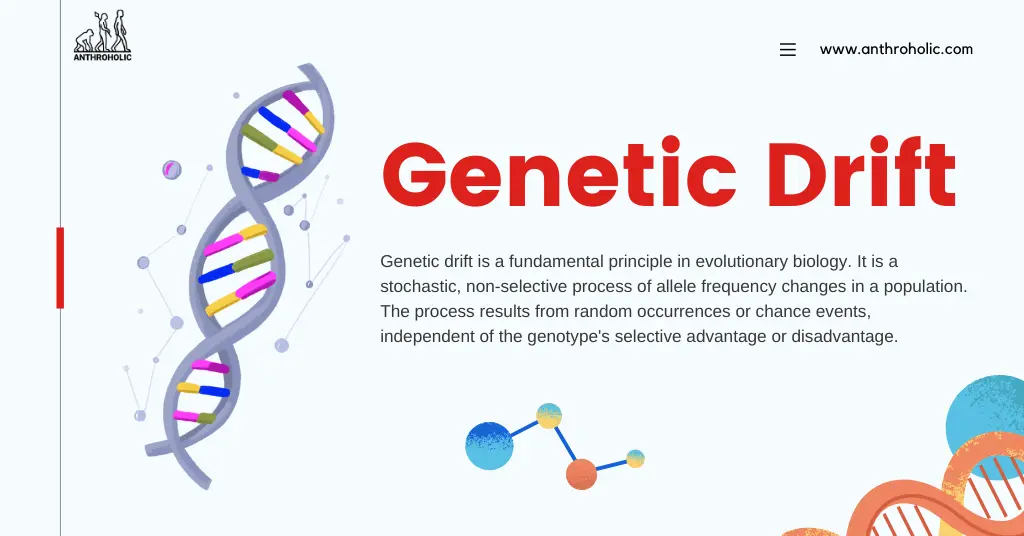
Genetic drift is a process of random sampling. Every generation, alleles are sampled from the existing gene pool to create the next generation. Due to random chance, some alleles get over or underrepresented, leading to changes in their frequency in the population.
In its simplest form, the state is an institution with a monopoly on the legitimate use of physical force within a given territory. Yet, its definition in political anthropology expands to include elements like culture, societal structure, and power relationships.
Structuralism, originally developed by anthropologist Claude Lévi-Strauss in the mid-20th century, revolutionized the way we understand culture, language, and society.
Structural Functionalism, is a framework in sociology and anthropology that interprets society as a structure with interdependent parts designed to meet the biological and social needs of individuals that compose it.
Classical Evolutionism forms the cornerstone of anthropology and social sciences, and delves into the progression of human society. It is a theory positing that societies develop linearly, advancing from simpler to more complex structures.
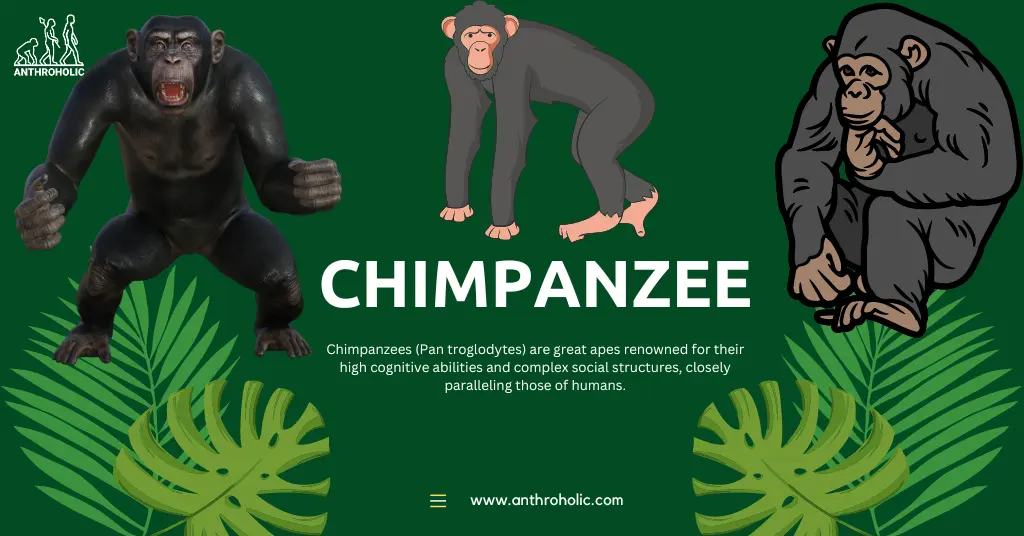
Chimpanzees (Pan troglodytes) are great apes renowned for their high cognitive abilities and complex social structures, closely paralleling those of humans
Gorillas, the largest of the great apes, provide a fascinating lens into primate behavior, evolution, and conservation. Although they are biologically distinct from us, their complex societies, behavioral patterns, and genetic similarity offer anthropologists valuable insights into human evolution and our shared primate heritage.
The genome represents the genetic blueprint of an organism, containing all the necessary information to build, maintain, and replicate a specific species
