UPSC

What is Polygynandry Marriage in Anthropology

Polygynandry

Polygynandry is a mating system in which several males mate with several females. The term is derived from 'poly' meaning many, 'gyn' for female, and 'andry' for male.

Overt and Covert Culture in Anthropology

Overt and Covert Culture

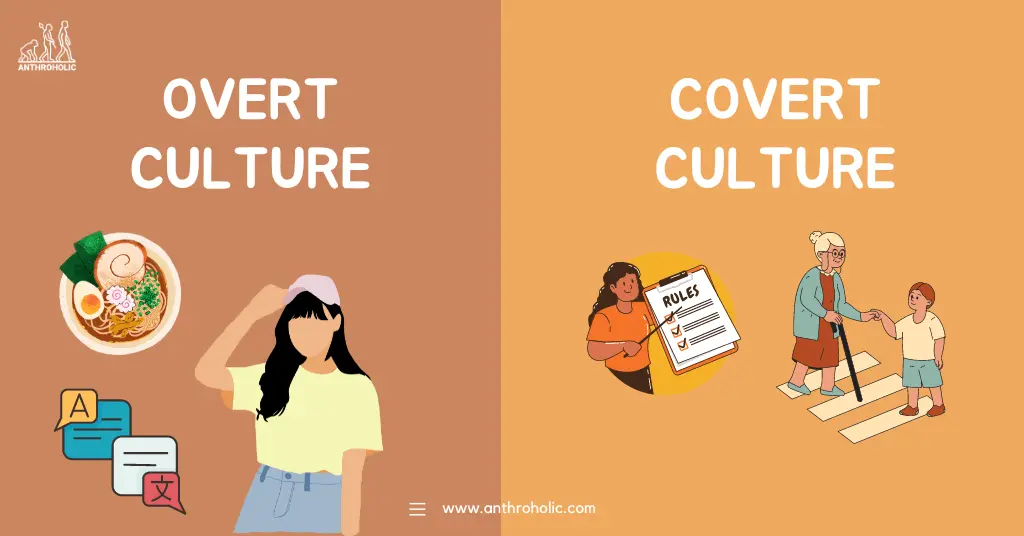
The concept of culture can be understood as a complex interplay between overt and covert culture elements. For example, in an office environment, the overt culture might include dress code, visible work structures, and documented policies.

Ethos, Eidos, Habitus Exploring the attributes of Culture in Anthropology

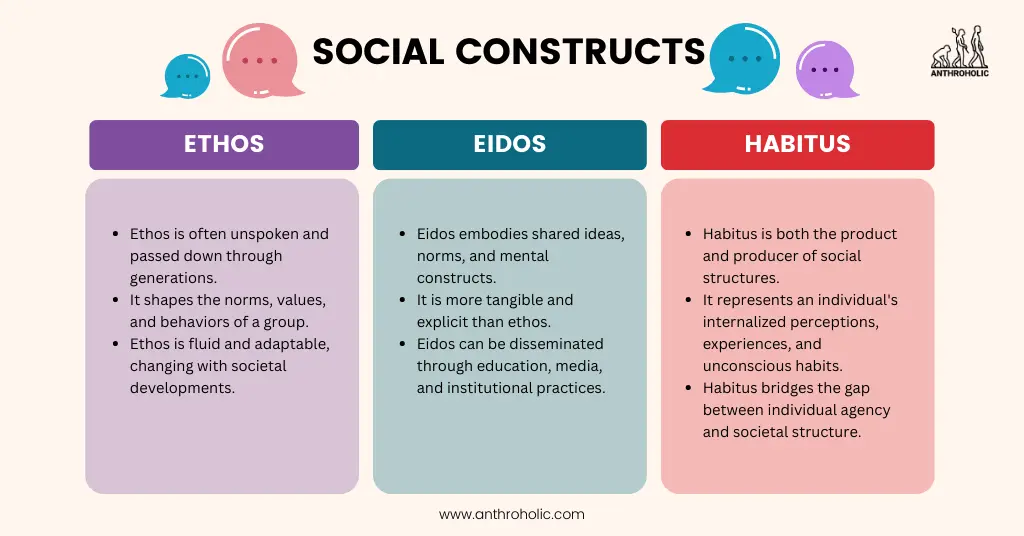
Ethos Eidos and Habitus

Ethos refers to the guiding beliefs or values that characterize a community or ideology. Eidos, in social sciences, signifies the distinctive characteristics of a group or culture.

Implicit and Explicit Culture in Anthropology

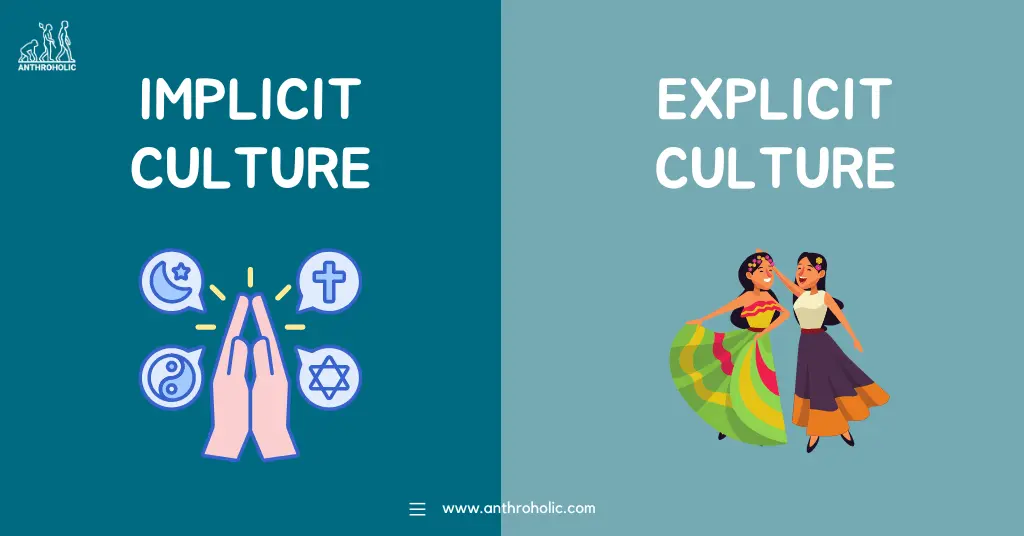
Implicit and Explicit Culture

When attempting to understand the multifaceted dimensions of culture, it is pivotal to recognize two essential aspects: implicit and explicit culture. These two contrasting elements allow us to examine culture in its full depth, just as one might decipher an intricate puzzle.

What is Genetics in Anthropology

Genetics

Genetics is a branch of biology that studies genes, genetic variation, and heredity in organisms. When these anthropology and genetics intersect, we get anthropological genetics

Culture and Cultural Constructs in Anthropology

Culture and Cultural Constructs

Culture and cultural constructs play a fundamental role in shaping societies and individuals. They offer an interpretive lens through which we understand our world and navigate social interactions.

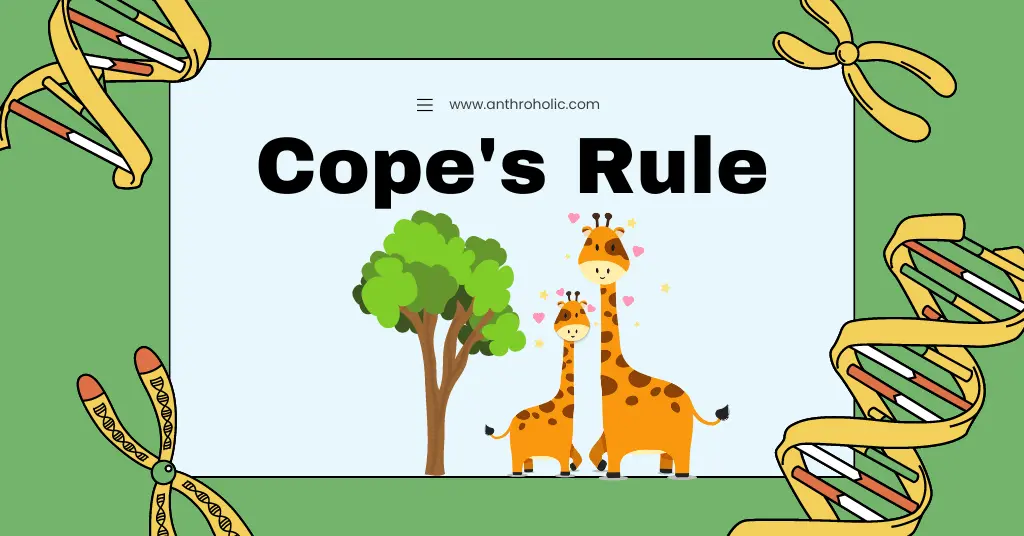
Edward Drinker Cope, an American paleontologist made an observation that an organism evolves over time towards an increased body size in a population lineage which is known as Cope's rule.

Cope’s Rule

Edward Drinker Cope, an American paleontologist made an observation that an organism evolves over time towards an increased body size in a population lineage which is known as Cope's rule.

What is Senescence in Human Growth and Development in Anthropology

Senescence

Senescence refers to the biological process of aging, characterized by a progressive decline in physiological function and an increased susceptibility to disease and death.

Co-twins, simply referred to as twins, are two offspring produced by the same pregnancy. Twins can be categorized broadly into two types: monozygotic or identical twins, who originate from a single fertilized egg that splits into two, and dizygotic or fraternal twins, who arise from two separate fertilized eggs.

Co-Twins

Co-twins, simply referred to as twins, are two offspring produced by the same pregnancy. Twins can be categorized broadly into two types: monozygotic or identical twins, who originate from a single fertilized egg that splits into two, and dizygotic or fraternal twins, who arise from two separate fertilized eggs.

Foster children refer to minors who have been placed in the care of a foster family or foster care system due to various reasons, such as neglect, abuse, or the inability of their biological parents to provide adequate care.

Foster Children

Foster children refer to minors who have been placed in the care of a foster family or foster care system due to various reasons, such as neglect, abuse, or the inability of their biological parents to provide adequate care.

Genomic imprinting refers to an epigenetic phenomenon in which the expression of a gene depends on the parent it's inherited from. Some genes are expressed in a parent-specific manner, meaning they're active only when inherited from the mother or the father.

Genome Imprinting

Genomic imprinting refers to an epigenetic phenomenon in which the expression of a gene depends on the parent it's inherited from. Some genes are expressed in a parent-specific manner, meaning they're active only when inherited from the mother or the father.

Genomics, a subfield of genetics, involves the study of the complete set of DNA within a single cell of an organism. The human genome, specifically, contains all of the biological information needed to build and maintain a human being.

Genomics

Genomics, a subfield of genetics, involves the study of the complete set of DNA within a single cell of an organism. The human genome, specifically, contains all of the biological information needed to build and maintain a human being.