UPSC

Culture is more than just art, music, and cuisine—it's an intricate tapestry of shared beliefs, values, and customs that knit communities together. The "Nature of Culture" varies from society to society, evolving and adapting with time and circumstance.

Nature of Culture

Culture is more than just art, music, and cuisine—it's an intricate tapestry of shared beliefs, values, and customs that knit communities together. The "Nature of Culture" varies from society to society, evolving and adapting with time and circumstance.

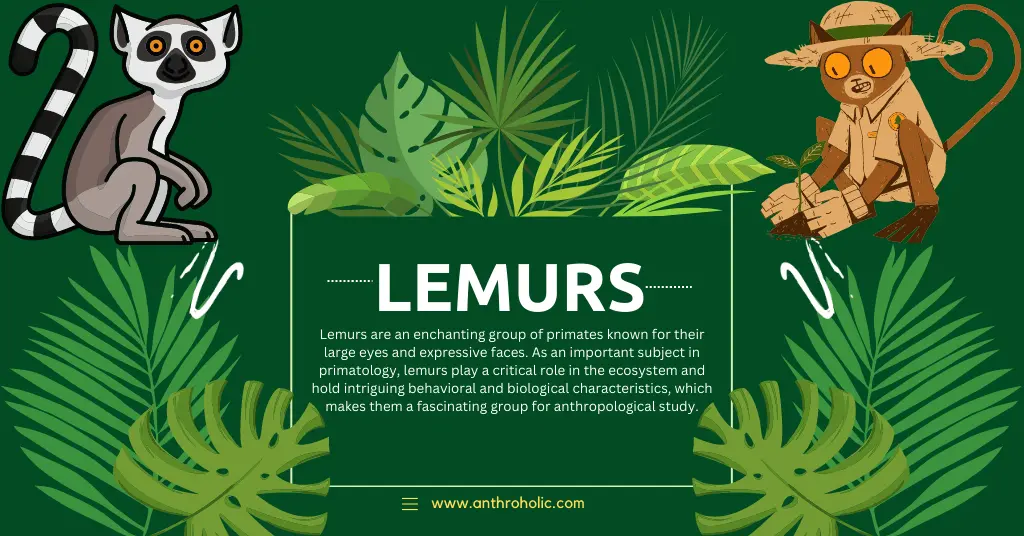
Lemurs are an enchanting group of primates known for their large eyes and expressive faces. As an important subject in primatology, lemurs play a critical role in the ecosystem and hold intriguing behavioral and biological characteristics, which makes them a fascinating group for anthropological study.

Lemurs

Lemurs are an enchanting group of primates known for their large eyes and expressive faces. As an important subject in primatology, lemurs play a critical role in the ecosystem and hold intriguing behavioral and biological characteristics

New World Monkeys, also known as Platyrrhines, encompass a broad array of monkey species found predominantly in Central and South America. They make up an integral part of our understanding of primatology.

New World Monkeys

New World Monkeys, also known as Platyrrhines, encompass a broad array of monkey species found predominantly in Central and South America. They make up an integral part of our understanding of primatology.

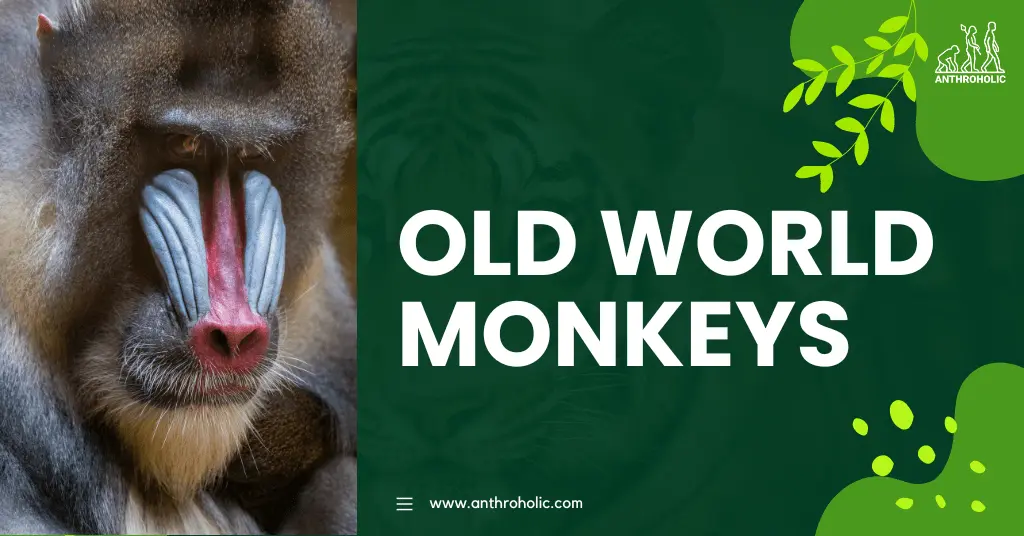
Old World monkeys, scientifically known as Cercopithecidae, are a large and diverse family of primates that hail from Africa, Asia, and Europe. They are referred to as "Old World" monkeys because they are native to the parts of the world that are known historically as the "Old World."

Old World Monkeys

Old World monkeys, scientifically known as Cercopithecidae, are a large and diverse family of primates that hail from Africa, Asia, and Europe. They are referred to as "Old World" monkeys because they are native to the parts of the world that are known historically as the "Old World."

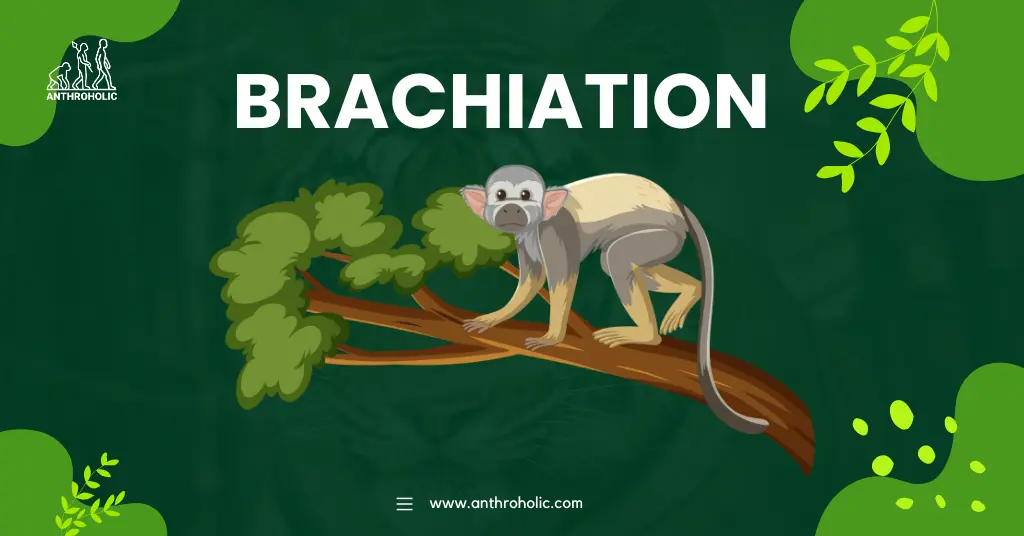
Brachiation, or arm-swinging, is a type of arboreal locomotion where an organism moves by swinging from hold to hold using only its arms. This locomotor behavior is dominant in some primates and has captured the interest of anthropologists for its evolutionary implications.

Brachiation

Brachiation, derived from the Latin 'brachium' for arm, is a specific form of locomotion characterized by swinging from one handhold to another. It's commonly associated with certain primates, notably gibbons and siamangs.

Concept of Agent and Agency in Anthropology

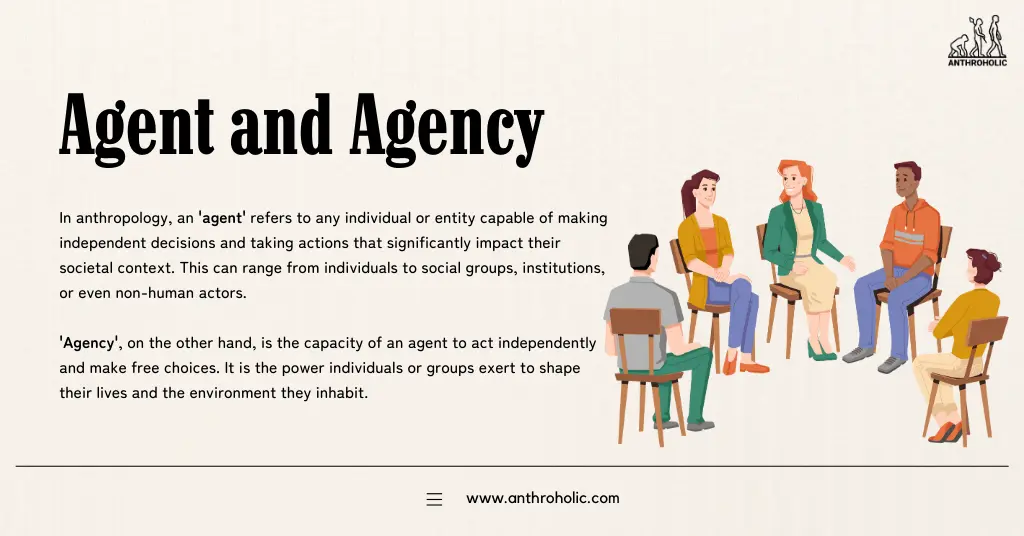
Agent and Agency

The field of anthropology has significantly been influenced by the concept of 'agent' and 'agency', broadening our understanding of how individuals shape societies and cultures.

Theories and Observations of Ageing in Anthropology

Theories and Observations of Ageing

Ageing, an inevitable part of life, is a complex process involving a multitude of biological, psychological, and sociological interactions. Since time immemorial, humans have sought to understand the process of ageing and the reasons for its existence.

The term 'incest taboo' refers to the prohibition of sexual relations and marriage between certain relatives. It is a social norm that deems certain types of familial interrelationships as culturally inappropriate or morally unacceptable.

Incest Taboo

The term 'incest taboo' refers to the prohibition of sexual relations and marriage between certain relatives. It is a social norm that deems certain types of familial interrelationships as culturally inappropriate or morally unacceptable.

Skeletal Biology and Human Osteology

Skeletal Biology and Human Osteology

The human skeleton is a marvel of nature's design, simultaneously a support structure, calcium storehouse, and production site for red and white blood cells. As we journey through the fascinating realms of skeletal biology and human osteology,

Fossils are the preserved remains or impressions of organisms from past geologic ages embedded in rocks. They represent a remarkable record of ancient life forms and environments, offering a glimpse into the past.

Fossils

Fossils are the preserved remains or impressions of organisms from past geologic ages embedded in rocks. They represent a remarkable record of ancient life forms and environments, offering a glimpse into the past.

Darwinism, named after its pioneer Charles Darwin, refers to the evolutionary theory he proposed, which has since served as the foundational concept of biological sciences. This theory was first articulated in his seminal work, "On the Origin of Species," where he argued that all species of organisms arise and develop through the natural selection of small, inherited variations that increase the individual's ability to compete, survive, and reproduce.

Darwinism

Darwinism, named after its pioneer Charles Darwin, refers to the evolutionary theory he proposed, which has since served as the foundational concept of biological sciences.