
AI Answer Evaluation Platform Live Now. Try Free Answer Evaluation Now


Epigraphy

The study of inscriptions and graphemes Epigraphy, derived from the Greek word "epigraphḗ," refers to the scientific study of inscriptions and graphemes.
Anthropology is the scientific study of humanity, including human biology, culture, and society. This broad field encompasses several sub-disciplines, including cultural anthropology, linguistic anthropology, and archaeology. From exploring the diversity of human cultures to understanding the biological and evolutionary foundations of our species, anthropology provides a comprehensive understanding of what it means to be human.
The study of inscriptions and graphemes Epigraphy, derived from the Greek word "epigraphḗ," refers to the scientific study of inscriptions and graphemes.
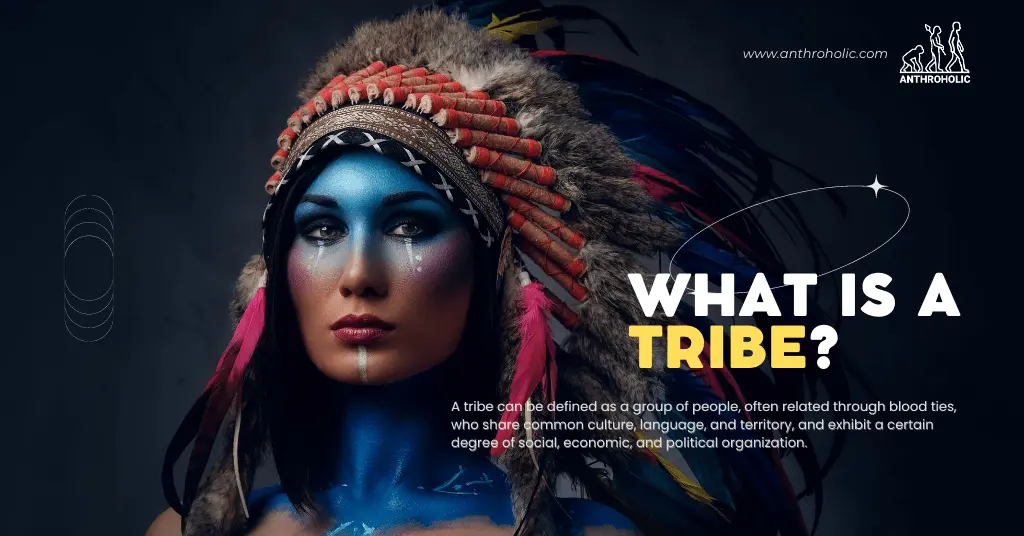
A tribe can be defined as a group of people, often related through blood ties, who share common culture, language
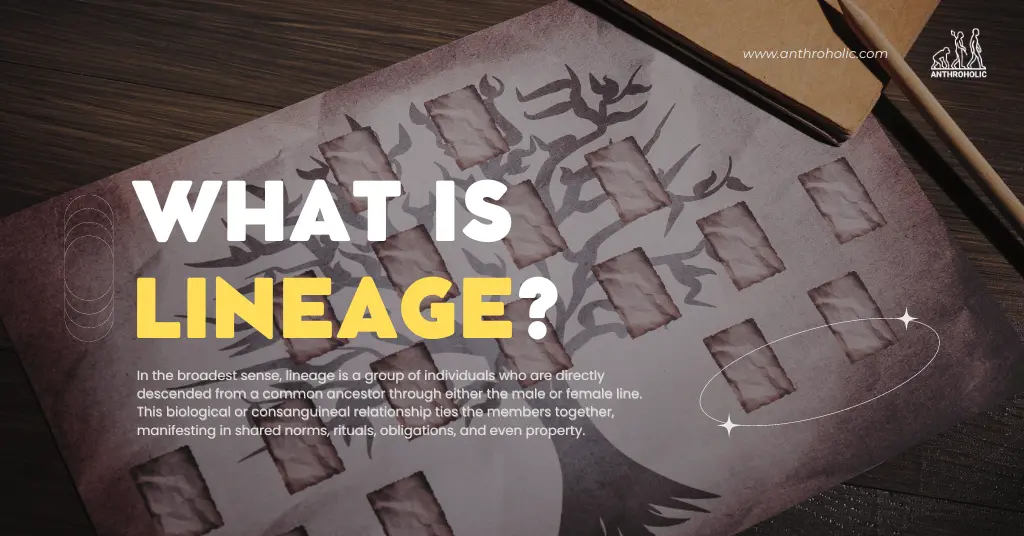
In the broadest sense, lineage is a group of individuals who are directly descended from a common ancestor through either the male or female line.
A clan is a social unit possessing distinctive characteristics, transcending the nuclear family's bounds, and closely

A dowry is a transfer of parental property, gifts, or money at the marriage of a daughter.
Civilization, a term often invoked in discussions about society and culture, carries a wealth of implications about the history

The institution of marriage is a cornerstone of human culture. It exists across different societies and throughout history,
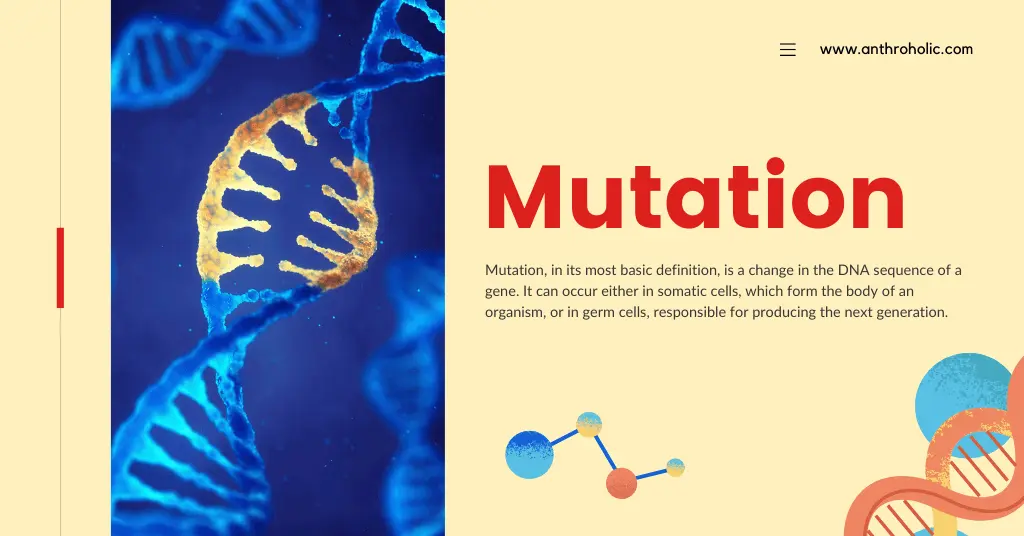
Mutation, in its most basic definition, is a change in the DNA sequence of a gene. It can occur either in somatic cells, which form

Consanguineous marriages, which involve unions between blood relatives, have been practiced across.
Chromosomal aberrations, a topic of immense significance in the world of genetic biology, intertwine with nearly every aspect of life,
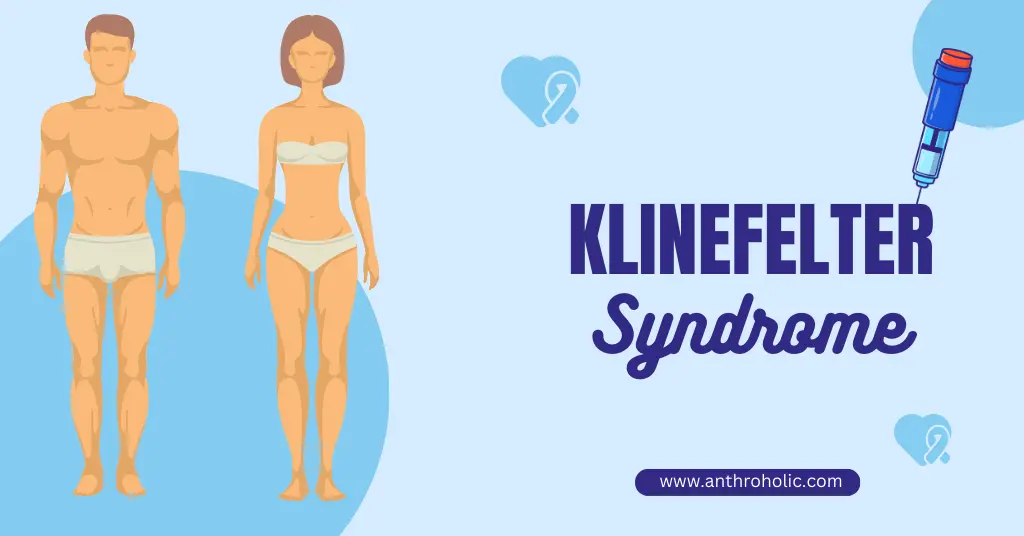
Klinefelter Syndrome, named after the American endocrinologist Harry F. Klinefelter, is a genetic condition that affects
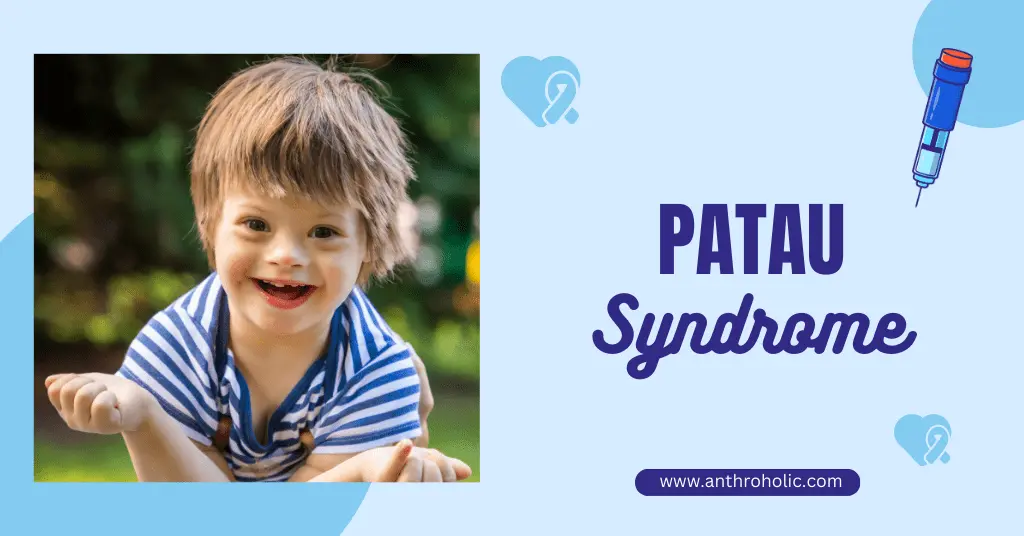
Patau syndrome, also known as Trisomy 13, is a severe genetic disorder that presents a variety of health challenges to those born with it.
