
AI Answer Evaluation Platform Live Now. Try Free Answer Evaluation Now


Social Institutions

Social institutions are complex set of rules, norms, and values that shape and organise social interactions and relationships within a society.
Anthropology is the scientific study of humanity, including human biology, culture, and society. This broad field encompasses several sub-disciplines, including cultural anthropology, linguistic anthropology, and archaeology. From exploring the diversity of human cultures to understanding the biological and evolutionary foundations of our species, anthropology provides a comprehensive understanding of what it means to be human.
Social institutions are complex set of rules, norms, and values that shape and organise social interactions and relationships within a society.

The theory of spontaneous generation is the idea that living organisms originated from seemingly non-living beings, or even totally inorganic matter.

Forensic archaeology is a branch of archaeology that blends archaeological methods and techniques to criminal investigations and judicial proceedings.

Molecular evolution is the study of the changes that occur in DNA and protein sequences over time, and how these changes relate to the evolutionary history and relationships of different species.
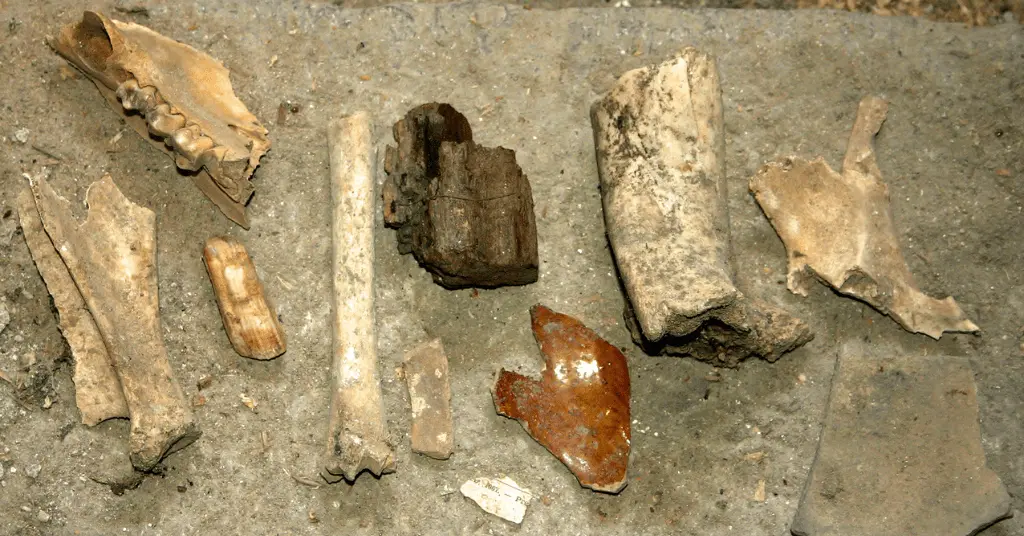
Experimental archaeology is a research technique that involves recreating or rebuilding past technologies, behaviors, and material cultures through experimental experimentation.

Industrial archaeology (IA) is a recent field of study focusing on documentation and preservation of humankind’s industrial heritage.

Landscape archaeology is a branch of archaeology that focuses on the study of human interaction with the natural environment across time. It involves the research of the physical elements of the landscape, such as topography,

Museum studies is an interdisciplinary study that focuses on the theory, practice, and management of museums and other cultural institutions. It includes a number of topics, including history, art history, anthropology, archaeology, education, and management.

Feminist archaeology is a field of archaeology that originated in the 1970s and 1980s as a reaction to the male-dominated character of the profession.

Cognitive archaeology is a study of archaeology that aims to understand the mental processes and cognitive abilities of ancient cultures by the analysis of material culture, such as artifacts, architecture, and art.

Archaeological field surveys are a fundamental element of archaeological studies that entail the systematic search, identification, and recording of archaeological sites and other cultural remnants over a terrain.

Gender archaeology, or archaeology of gender, is a branch of archaeology that studies the roles and experiences of women and gender in past societies.

