AI Answer Evaluation Platform Live Now. Try Free Answer Evaluation Now

Paleopathology

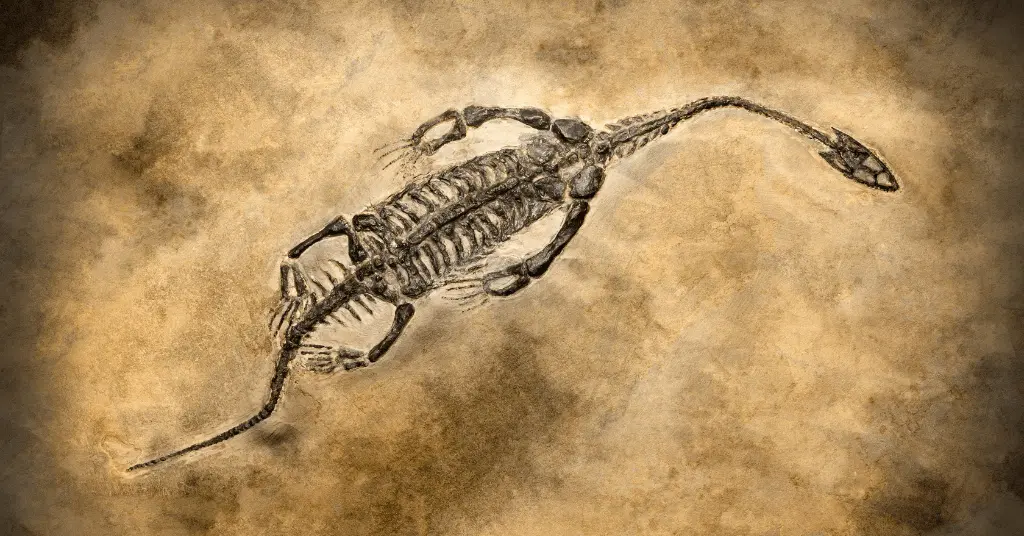
Paleopathology is the discipline that investigates ancient diseases based on human or animal remains.
Anthropology is the scientific study of humanity, including human biology, culture, and society. This broad field encompasses several sub-disciplines, including cultural anthropology, linguistic anthropology, and archaeology. From exploring the diversity of human cultures to understanding the biological and evolutionary foundations of our species, anthropology provides a comprehensive understanding of what it means to be human.
Paleopathology is the discipline that investigates ancient diseases based on human or animal remains.

There are many types of marriages practiced in different cultures and societies around the world. Some of the most common types of marriages include:
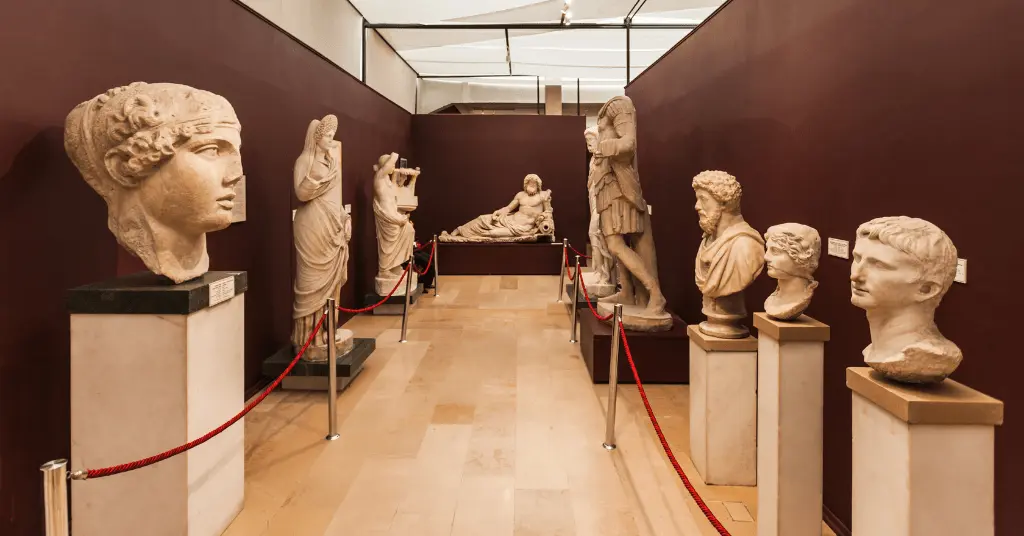
Historical archaeology may give vital insights into the lives and experiences of those who were not well represented in written documents, such as slaves, women, and indigenous people.
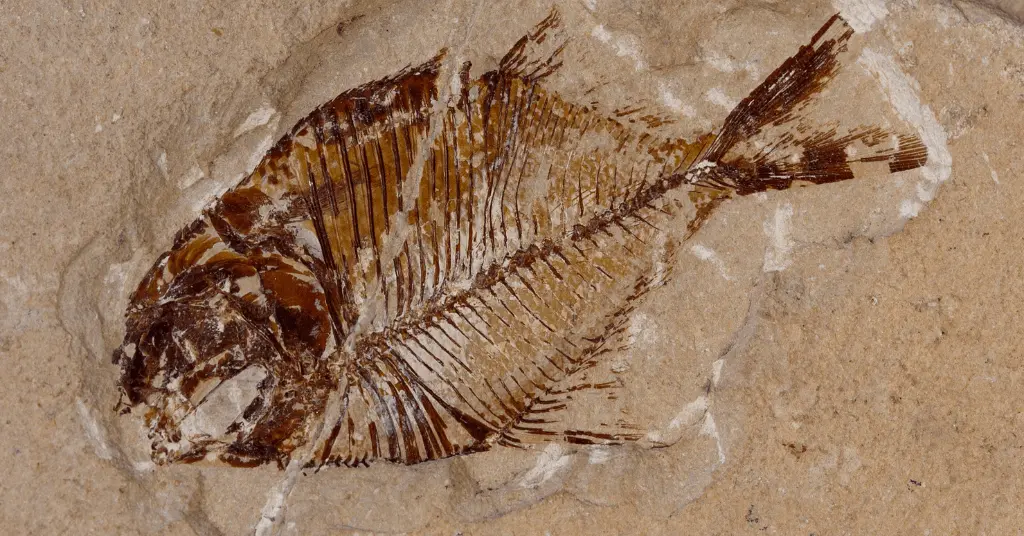
Paleoarchaeology is the study of fossil remains from about 7,000,000 to 10,000 years ago. The word originates from Greek ‘arkhaios’ and ‘palaios’, which both mean old or ancient.

Political Anthropology examines the socio-cultural processes within governments, states, parties and other political systems.

The theory of isolation is a post Darwinian theory put forth by Moritz Wagner. Wagner believed that Darwin was not able to explain the concept of speciation completely.

The concept of 'social structure' was first introduced by Herbert Spencer, in the latter half of the 19th century. He applied the “organic analogy” to the study of society.
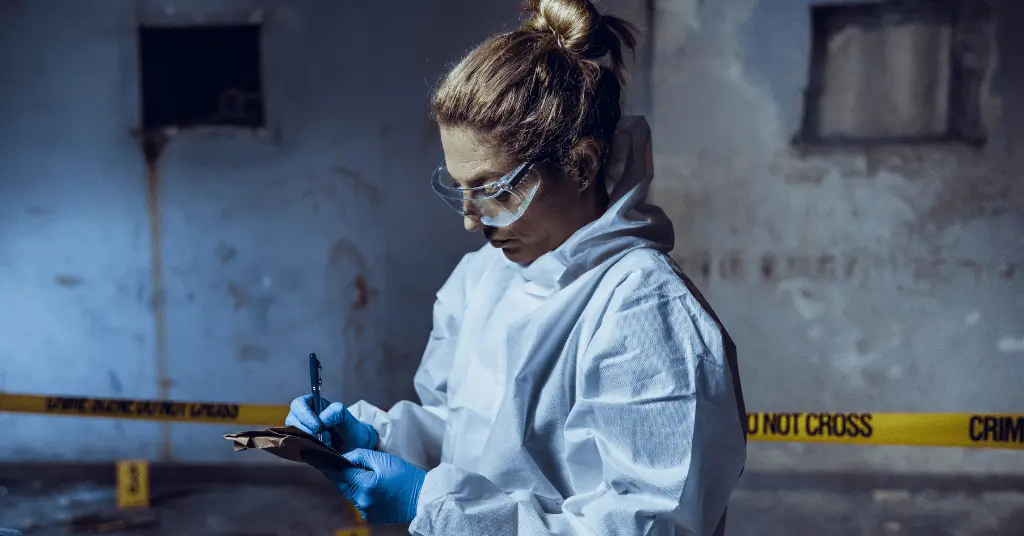
Forensic Science is an interdisciplinary science that involves the exploitation of various general and applied fields of science. Branches of Forensic Science are discussed below
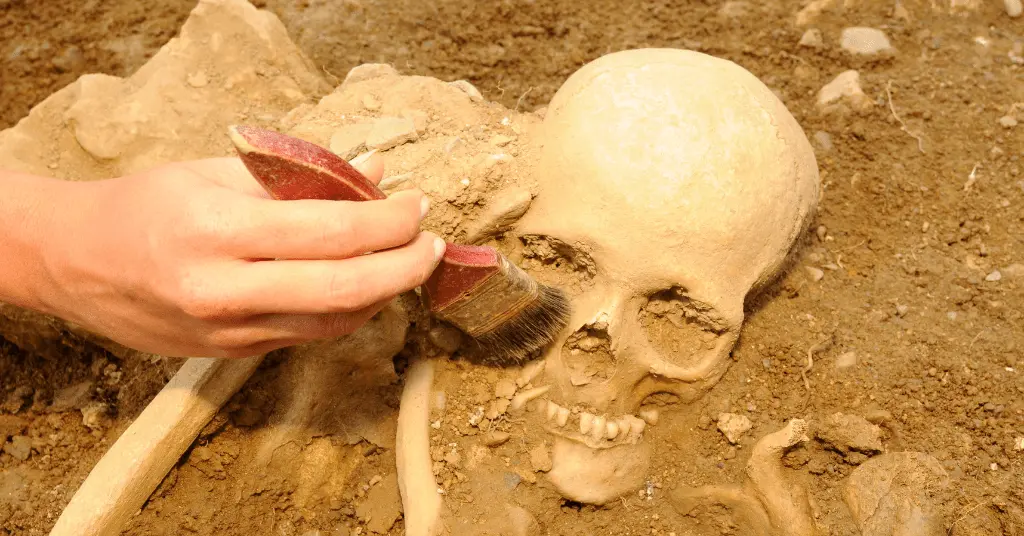
Archaeological practice is the set of aims, techniques and interpretation that archaeologists undertake.

An ecofact is an archaeological or paleontological term that refers to a natural object or substance that has been used or modified by humans and has some value in understanding past human activity.

Social institutions are complex set of rules, norms, and values that shape and organise social interactions and relationships within a society.

The theory of spontaneous generation is the idea that living organisms originated from seemingly non-living beings, or even totally inorganic matter.


