
AI Answer Evaluation Platform Live Now. Try Free Answer Evaluation Now


Nutritional Anthropology

Nutritional anthropology is a multidisciplinary field that examines the intricate relationship between human dietary habits, culture, and evolution.
Physical anthropology, branch of anthropology concerned with the origin, evolution, and diversity of people. Physical anthropologists work broadly on three major sets of problems: human and nonhuman primate evolution, human variation and its significance (see also race), and the biological bases of human behaviour.
Nutritional anthropology is a multidisciplinary field that examines the intricate relationship between human dietary habits, culture, and evolution.
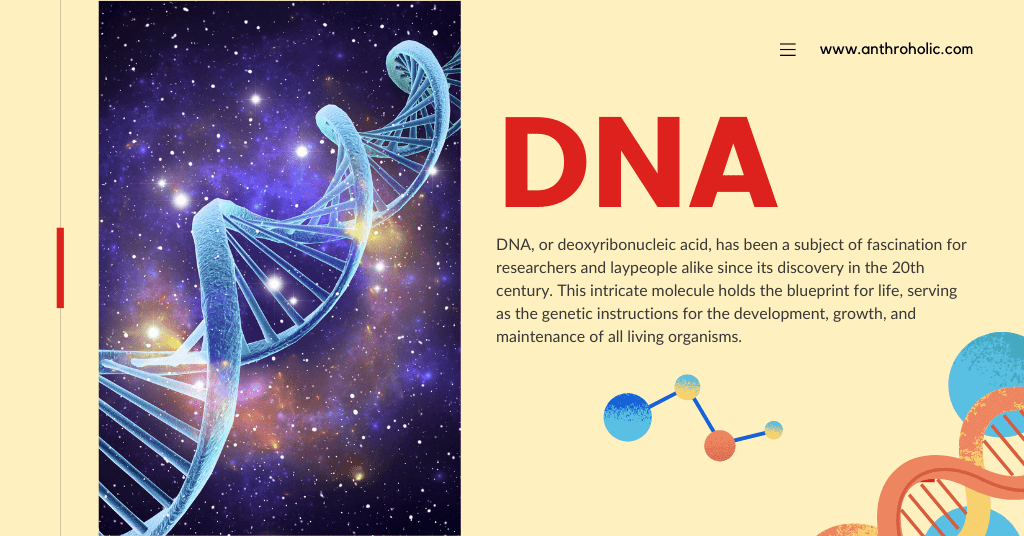
DNA, or deoxyribonucleic acid, has been a subject of fascination for researchers and laypeople alike since its discovery in the 20th century.
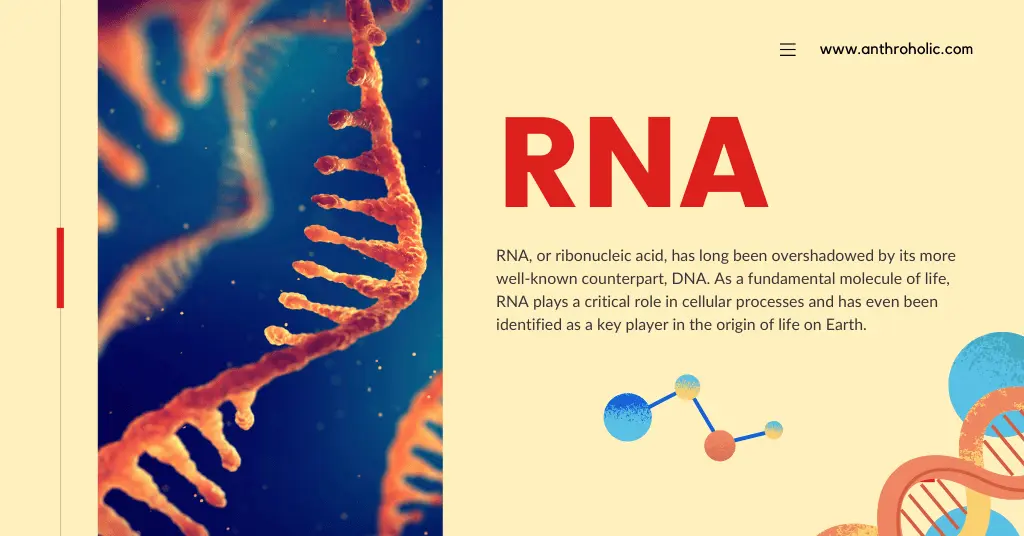
RNA, or ribonucleic acid, has long been overshadowed by its more well-known counterpart, DNA. As a fundamental molecule
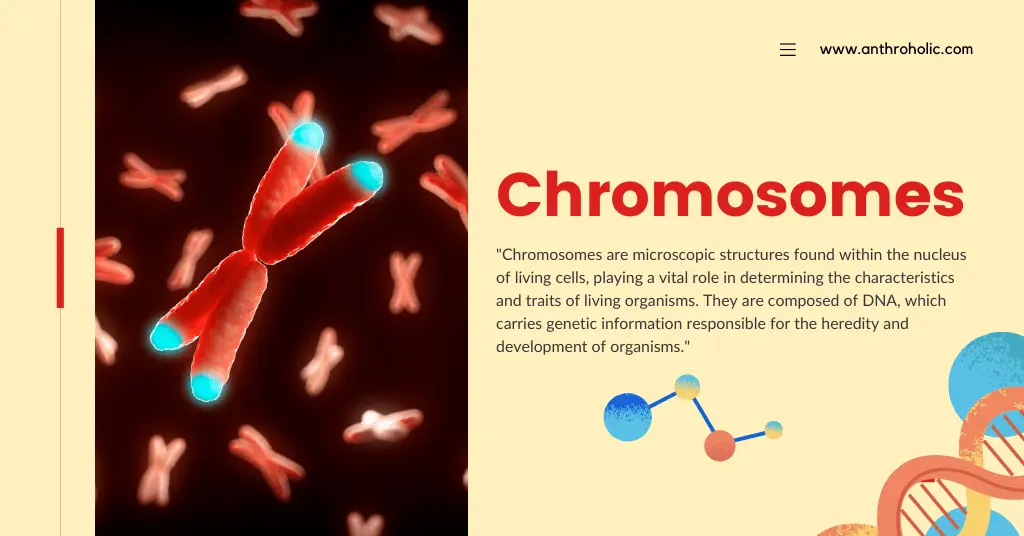
Chromosomes are microscopic structures found within the nucleus of living cells, playing a vital role in determining the
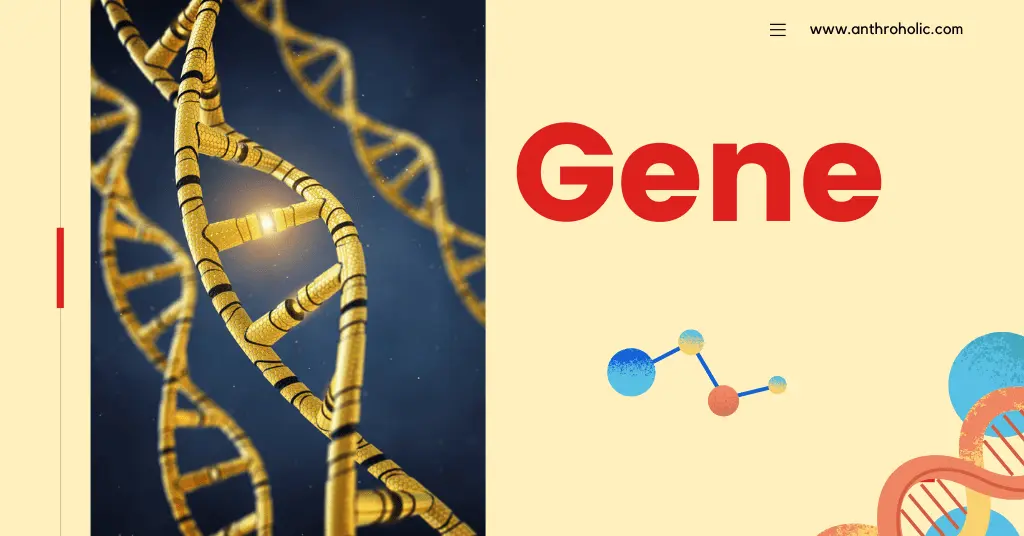
Genes are segments of DNA (deoxyribonucleic acid), a molecule composed of two long, intertwined chains made up of nucleotides.

The ABO blood group system, the first and most significant blood classification system known to mankind, has played a critical
Genetic load, a term first introduced by J.B.S. Haldane in 1957, refers to the reduction in a population's average
Convergent evolution occurs when unrelated organisms independently evolve similar features or traits as a result of adapting
Mosaic evolution refers to the process by which various traits within an organism or lineage evolve at different rates and often independently from one another.
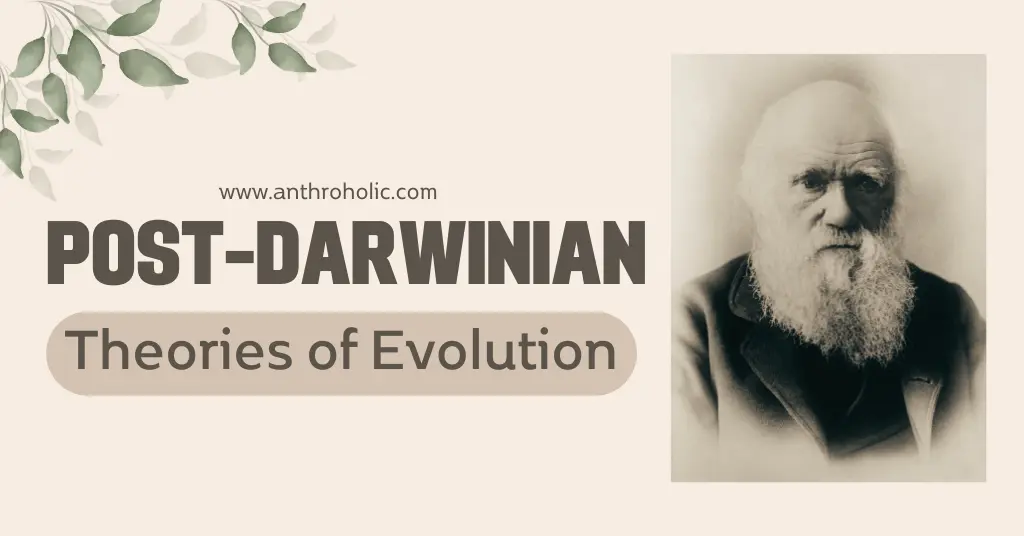
These post-Darwinian theories of evolution build upon and refine Darwin's work, offering new perspectives and insights into
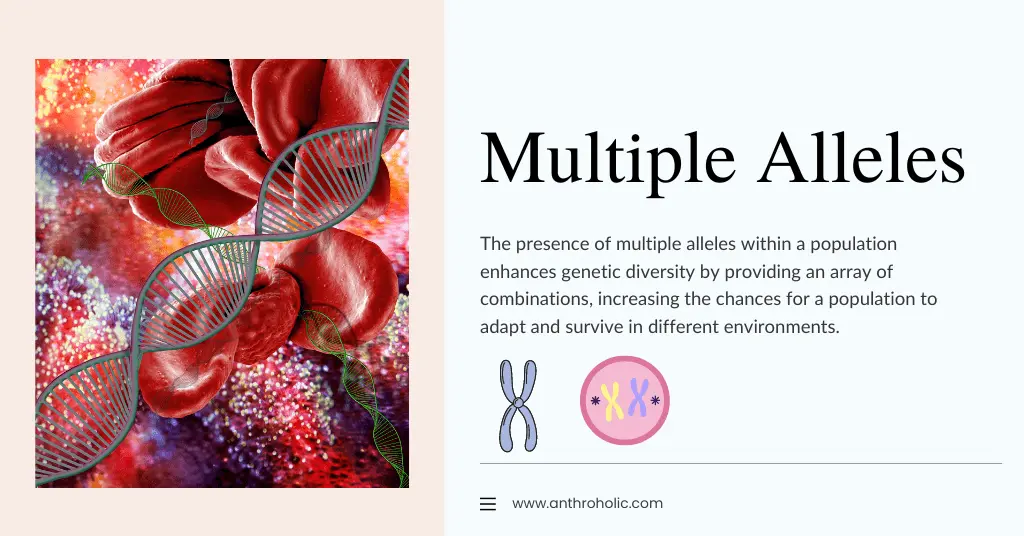
The presence of multiple alleles within a population enhances genetic diversity by providing an array of combinations,
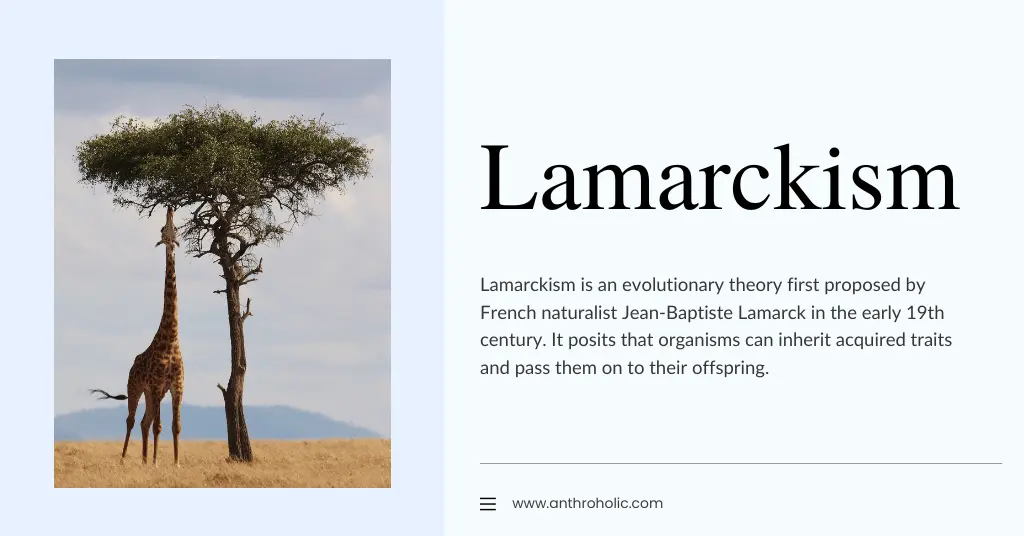
Lamarckism is an evolutionary theory first proposed by French naturalist Jean-Baptiste Lamarck in the early 19th century.

