
AI Answer Evaluation Platform Live Now. Try Free Answer Evaluation Now

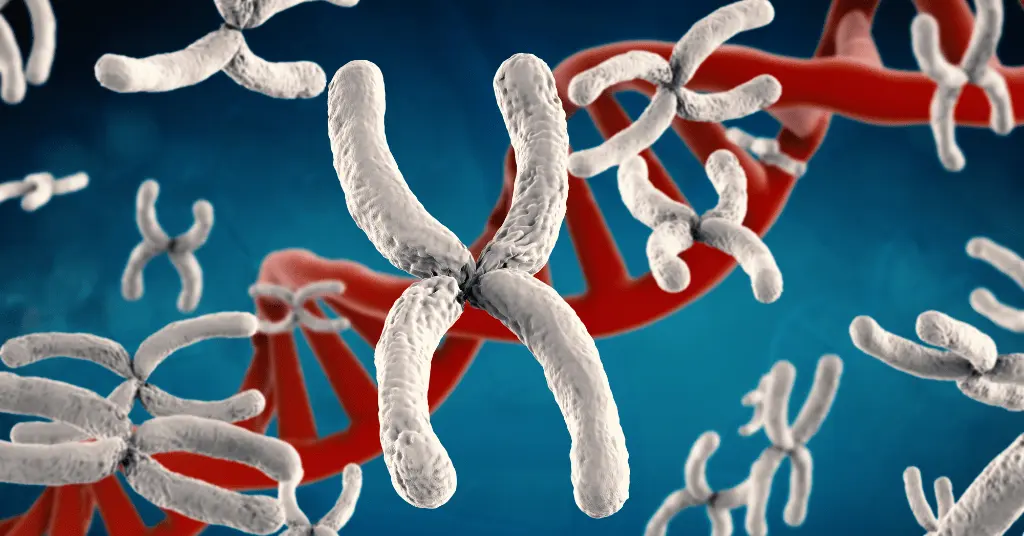
Chromosomal Analysis

Chromosomal analysis can reveal important details regarding genetic diversity in humans, population genetics, and the forces that drive evolution.
"Exploring the Diversity of Human Culture: Insights from Anthropology"
Chromosomal analysis can reveal important details regarding genetic diversity in humans, population genetics, and the forces that drive evolution.

Scientists have sought to fathom the chronology of the Earth in order to pinpoint the exact dates of each key event in our geological, biological, and cultural history since far earlier than the Age of Enlightenment.

Anthropology is one of the most popular optional subjects in the UPSC Civil Services Exam. The Anthropology Optional Syllabus for UPSC IAS Mains Exam is as follows:

According to Colin Renfrew, the application of molecular population genetics approaches to the study of human evolution is referred to as "archaeogenetics."
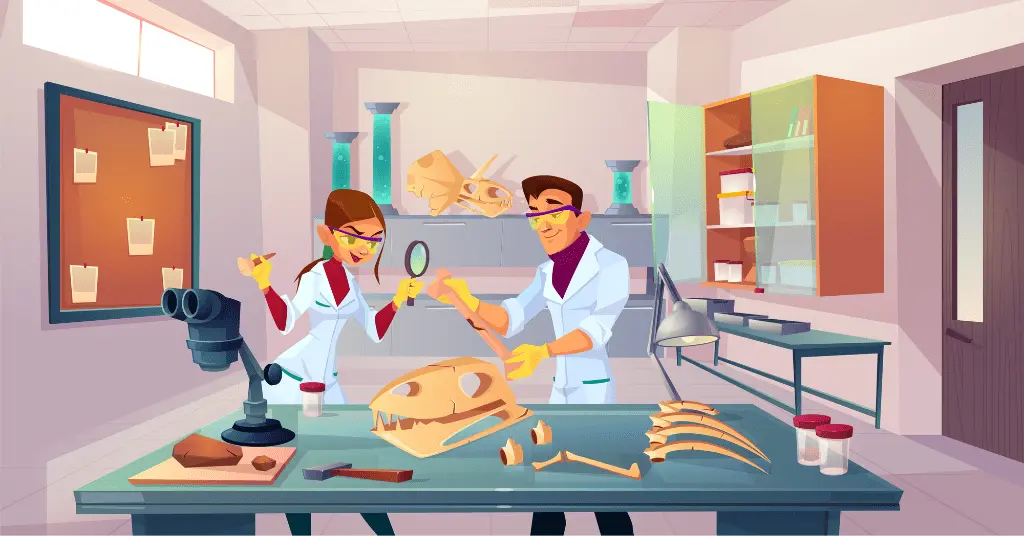
Computational archaeology provides computer-based analytical approaches that may be used to analyze long-term human behavior and behavioral evolution.
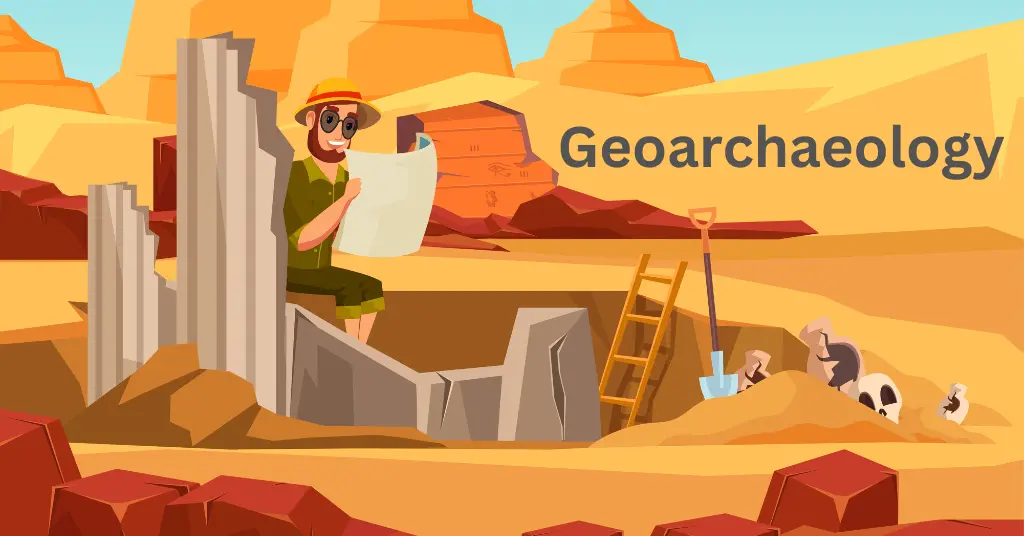
In order to confront archaeological issues, the field of research known as geoarchaeology incorporates methods from the Earth sciences. Even when material remains are buried
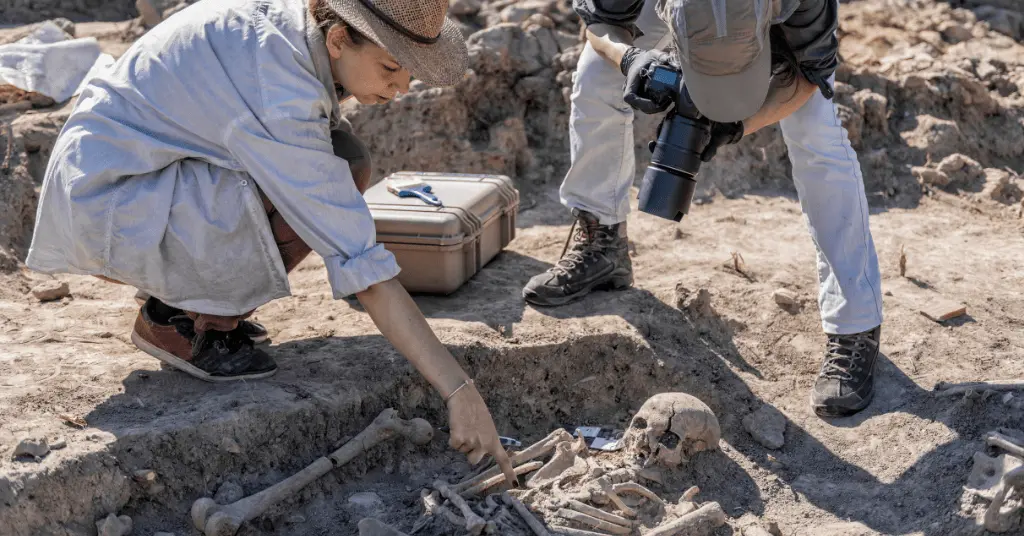
Archaeometry is a set of scientific techniques used in archaeological investigations. It implements principles from physics
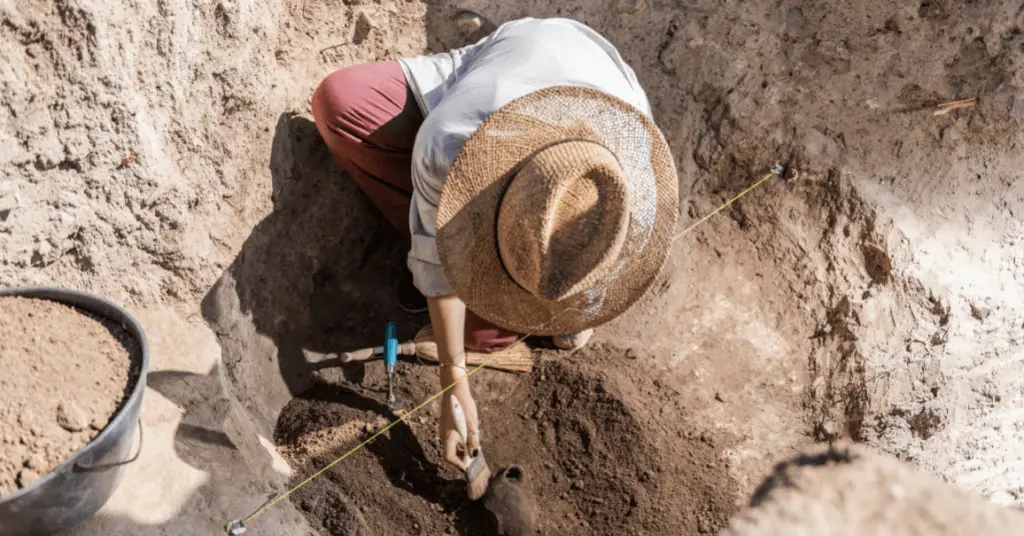
Archaeological science is the integration of scientific analysis and principles in investigating archaeological finds. Though science and archaeology have had a 200 year old relationship,

Criminalistics is the scientific study of crime. Criminalistics, which is also known as ‘Forensic Science’ in simpler terms

Marriage is a social institution existing in all societies but the characteristics vary from culture to culture. Several anthropologists have made an effort to

Original Anthropology Optional Question Papers for UPSC CSE IAS from 2009 to Present Year for Free avaibale in PDF format. Download Now by clikcing the links Below.

Sororate Marriage is one where the husband marries the sister of the deceased or infertile wife. The term “Sororate” originated from the Latin word “soror” meaning sister.


