AI Answer Evaluation Platform Live Now. Try Free Answer Evaluation Now

Monogamy

Monogamy is defined as the socially sanctioned union of two spouses. This union is often marked by exclusivity, though that is not always the case.
"Exploring the Diversity of Human Culture: Insights from Anthropology"
Monogamy is defined as the socially sanctioned union of two spouses. This union is often marked by exclusivity, though that is not always the case.

Polyandry, the custom of a woman being married to multiple men at the same time, is a unique sort of marriage that has been reported in various cultures throughout history.

Love marriage, which is the union of two individuals who have chosen to marry each other based on their mutual feelings of love and attraction, has become an increasingly prevalent form of marriage across the world.

Endogamy, also known as ‘in-marriage’, is a type of marriage custom in which an individual marries another individual from the same ethnic, cultural, social, religious,tribal groups and sometimes even in the same family.
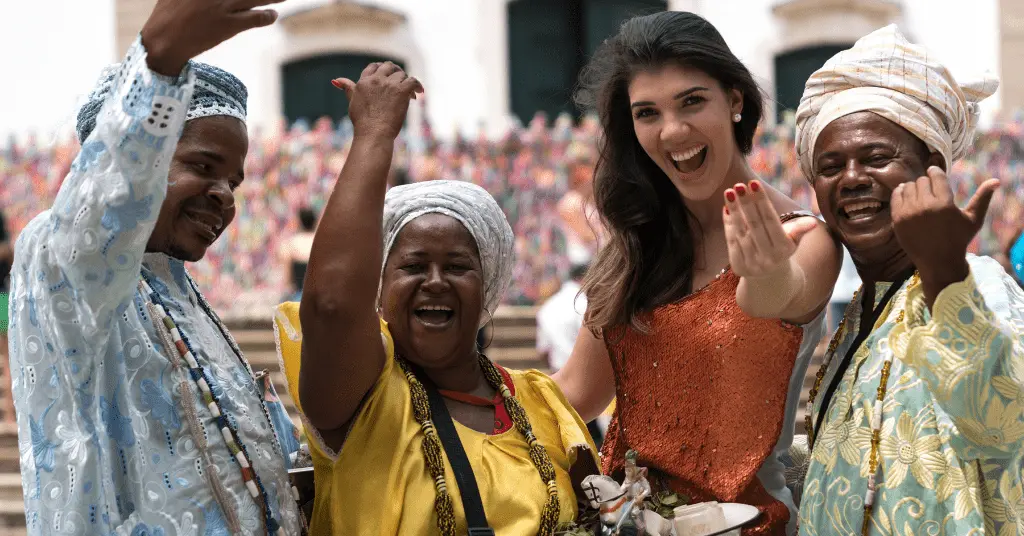
Transculturation is a process of cultural transition characterized by the emergence of a new cultural phenomenon.

The meaning of terms social organisation and social structure indicates uncertainty, anthropologists and sociologists use these terms alternatively.

Cousin marriage, which is also referred to as consanguineous marriage, involves two people who are related as cousins, typically second cousins or more closely, getting married and starting a family together.

Group marriage is a form of marriage where more than two individuals form a consensual and committed partnership with one another.

Forensic serology is the application of knowledge of scientific study of blood serum and other body fluids in the court of law for the administration of justice.

Forensic Biology is that branch of forensic science which involves application of knowledge of biological sciences in the court of Law for the administration of Justice.
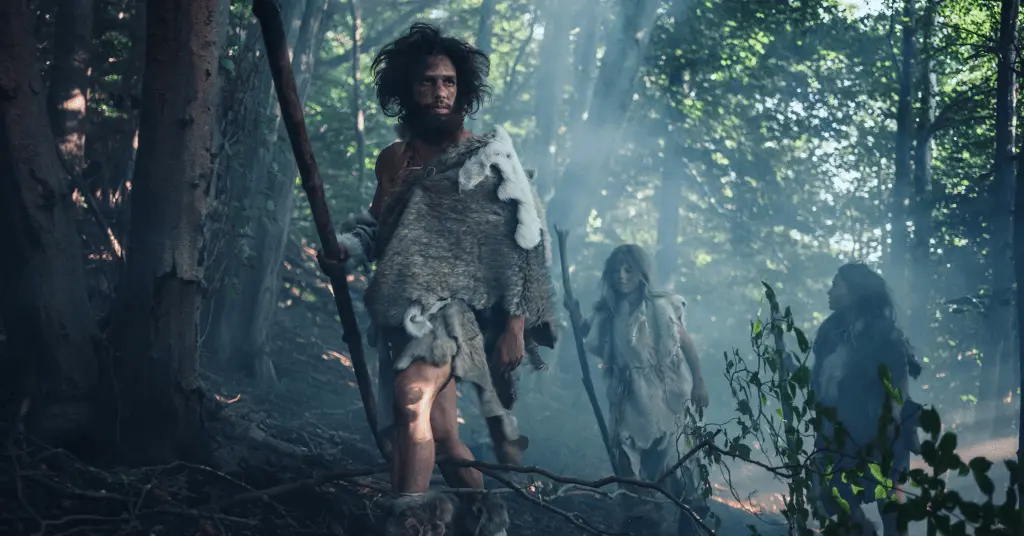
Paleoanthropology is a field that studies the evolution, behavior and physical characteristics of prehistoric humans.

Anthropologist Karl Heider describes ‘visual anthropology’ as the use of visual material in conveying anthropological research.


