
AI Answer Evaluation Platform Live Now. Try Free Answer Evaluation Now

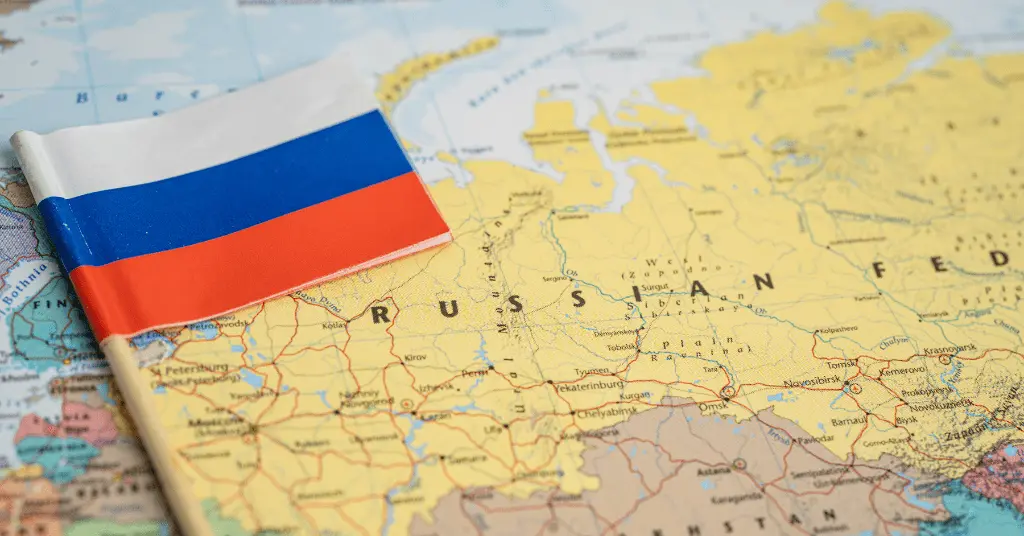
Russian Archaeology

Russian archaeology is a broad field that includes prehistoric, mediaeval, and modern times.
"Exploring the Diversity of Human Culture: Insights from Anthropology"
Russian archaeology is a broad field that includes prehistoric, mediaeval, and modern times.

The field of Australian archaeology is unique in many ways, as it covers a vast geographical area with a rich and diverse history that spans tens of thousands of years.
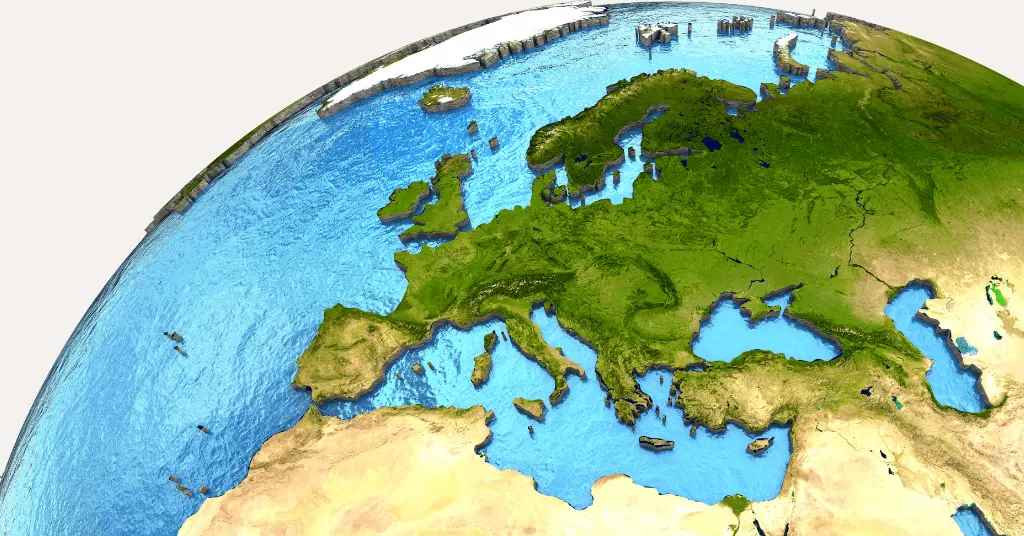
European archaeology has a long and complex history, dating back to the ancient Greeks and Romans. However, it was not until the Enlightenment that the study of the past became a more scientific discipline.

African archaeology is a rich and fascinating field that sheds light on the diverse cultures, societies, and histories of the African continent.
Anthropology and life sciences are two disciplines that are often seen as separate from one another.

Anthropology and medical sciences have a deep and complex relationship that has been evolving for centuries.

The relationship between anthropology and earth sciences is a topic that has been gaining more attention in

Anthropology and behavioral science are two fields that are closely related and often overlap in their study of human behavior.

Arrange marriage is a union which is intended by the families, usually the parents of a man and woman.

Our understanding of genetics is aided by the principle of inheritance and variation. The study of genes or features
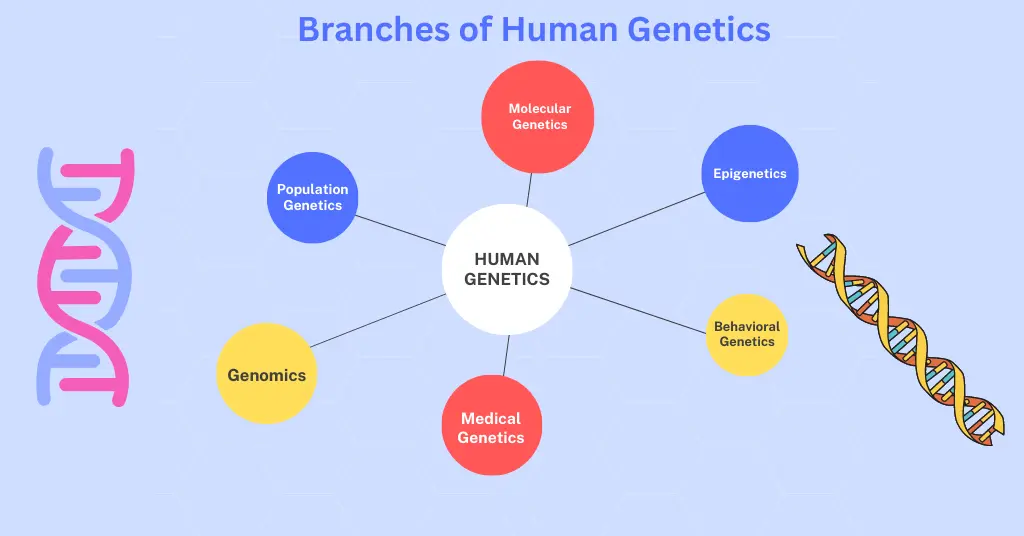
Human genetics is a vast and complex field of study that aims to understand the inheritance of traits in humans.

Exogamy is a social phenomenon of marrying outside one's own community, tribe or social group.

