
AI Answer Evaluation Platform Live Now. Try Free Answer Evaluation Now


John Ferguson McLennan

John Ferguson McLennan (1827–1881) was a pioneering Scottish social theorist
Anthropology is the scientific study of humanity, including human biology, culture, and society. This broad field encompasses several sub-disciplines, including cultural anthropology, linguistic anthropology, and archaeology. From exploring the diversity of human cultures to understanding the biological and evolutionary foundations of our species, anthropology provides a comprehensive understanding of what it means to be human.
John Ferguson McLennan (1827–1881) was a pioneering Scottish social theorist

Academic writing often looks structured and predictable. Many college students assume that strong arguments follow the same logic everywhere. This idea comes from textbooks, grading rubrics, and standardized exams. Yet writing practices differ across countries and institutions. These differences shape…

The dead do not speak, but their remains are far from silent. For centuries, the human skeleton has served as a biological archive, recording the circumstances of a person’s life, their ancestry, and, most crucially, the nature of their death.

Projects lacking crystal clear instructions soon run into trouble. Ideas move from sketches to code, from discussions to specifications, and from meetings to long-term systems.

Anthropology topics can feel endless. One day, you are pulled toward ritual and religion. The next time you are considering migration. Depth comes from choosing a question you can sit with for weeks. A strong topic connects three things: a…

Books are a uniquely portable magic. To be, or not to be, that is the question. Beware; for I am fearless, and therefore powerful.
Homework is a relatively recent cultural invention. Explore the history, social impact, and anthropological significance of bringing academic labor into the domestic sphere.

Marriage stands at the heart of every cultural system, but within Jainism

In the vast landscape of global religions, Buddhism presents a unique perspective on the institution of marriage. Unlike traditions that

The institution of marriage, a critical nexus for studying kinship, religion, and social change, is uniquely defined within the Sikh tradition.
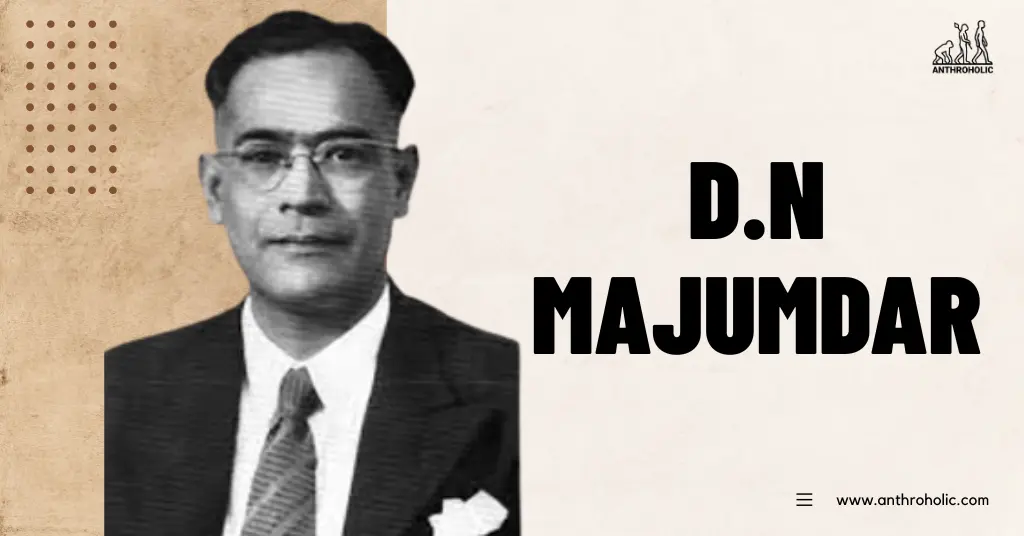
Dhirendra Nath Majumdar (1903-1960) was one of the founding architects of Indian anthropology
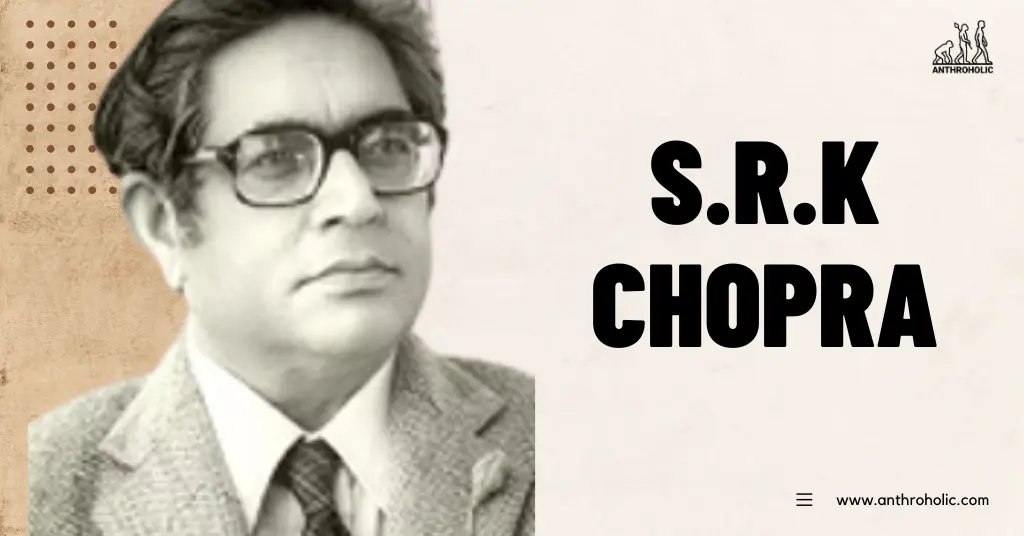
S.R.K. Chopra (8 October 1931 – 1994) was a pioneering Indian anthropologist, paleoanthropologist, and institution builder whose work placed
