
AI Answer Evaluation Platform Live Now. Try Free Answer Evaluation Now


Promiscuity
Sexual Promiscuity generally refers to engaging in sexual activity with multiple partners without a committed or exclusive relationship.

Sexual Promiscuity generally refers to engaging in sexual activity with multiple partners without a committed or exclusive relationship.

Franz Boas (1858-1942) was a German-American anthropologist often called the "Father of American Anthropology."

Polyandry, the custom of a woman being married to multiple men at the same time, is a unique sort of marriage that has been reported in various cultures throughout history.

Love marriage, which is the union of two individuals who have chosen to marry each other based on their mutual feelings of love and attraction, has become an increasingly prevalent form of marriage across the world.

"Literariness" refers to the qualities or traits that separate literary works from other forms of writing, such as technical manuals, journalistic articles, or ordinary speech.
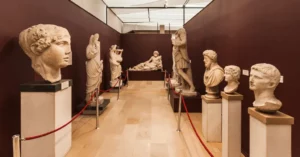
Historical archaeology may give vital insights into the lives and experiences of those who were not well represented in written documents, such as slaves, women, and indigenous people.
One of the biggest institutes in the nation for civil services exam preparation is Drishti IAS Coaching Classes, developed by Vikas Divyakirti, a well-known brand in the Indian education business.

An ecofact is an archaeological or paleontological term that refers to a natural object or substance that has been used or modified by humans and has some value in understanding past human activity.

Forensic archaeology is a branch of archaeology that blends archaeological methods and techniques to criminal investigations and judicial proceedings.
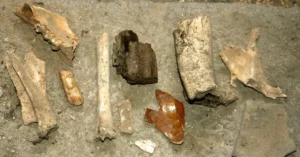
Experimental archaeology is a research technique that involves recreating or rebuilding past technologies, behaviors, and material cultures through experimental experimentation.
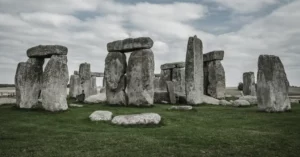
Landscape archaeology is a branch of archaeology that focuses on the study of human interaction with the natural environment across time. It involves the research of the physical elements of the landscape, such as topography,

Museum studies is an interdisciplinary study that focuses on the theory, practice, and management of museums and other cultural institutions. It includes a number of topics, including history, art history, anthropology, archaeology, education, and management.